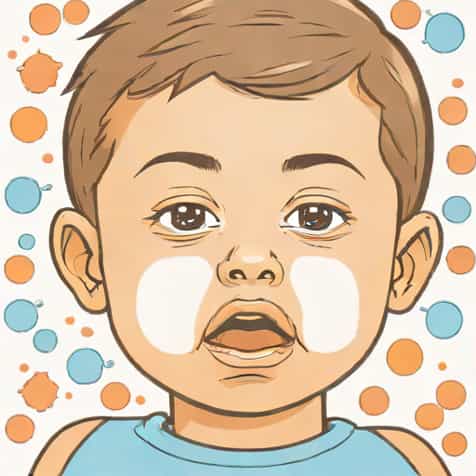
Excessive salivation, also known as drooling, is a common concern among children and can cause discomfort, embarrassment, and even skin irritation around the mouth. While occasional drooling is normal, especially in toddlers who are teething, persistent or severe excessive salivation may indicate underlying medical or developmental issues. Understanding the causes, identifying the symptoms, and exploring effective treatments are important for parents and caregivers seeking to improve a child’s quality of life. Managing excessive salivation involves a combination of medical, behavioral, and sometimes surgical approaches, tailored to each child’s unique needs.
Understanding Excessive Salivation in Children
Excessive salivation occurs when the salivary glands produce more saliva than the child can manage. In most cases, this is a natural part of development, especially in infants and young children who are learning to swallow effectively. However, when drooling persists beyond early childhood or is accompanied by other signs, it may be linked to medical conditions such as neurological disorders, oral-motor dysfunction, or medication side effects. Identifying the root cause is critical for selecting the most appropriate treatment.
Common Causes of Excessive Salivation
- TeethingOne of the most common causes in toddlers, where increased saliva helps soothe inflamed gums.
- Oral-Motor DysfunctionDifficulty controlling the muscles around the mouth can lead to drooling, often seen in children with developmental delays.
- Neurological DisordersConditions like cerebral palsy, Down syndrome, or other motor control impairments can interfere with swallowing and lead to excess saliva.
- Respiratory InfectionsTemporary drooling can occur during colds or throat infections due to difficulty swallowing.
- Medication Side EffectsSome medications, particularly those affecting the nervous system, may increase saliva production.
Signs That Require Attention
Not all drooling is concerning, but parents should be aware of warning signs that suggest the need for medical evaluation. Persistent drooling beyond the age of four, frequent choking or gagging, irritation around the lips, or difficulties with speech and eating may indicate a more serious underlying issue. A pediatrician or specialist can conduct a thorough assessment to rule out neurological or structural problems that may be causing excessive salivation.
Treatment Options for Excessive Salivation in Children
Managing excessive salivation in children typically involves a combination of strategies aimed at reducing saliva production, improving swallowing control, and minimizing discomfort or social challenges. Treatment may range from simple behavioral techniques to medical interventions depending on the severity and cause.
Behavioral and Oral-Motor Therapy
Behavioral approaches are often the first line of treatment for children with mild to moderate drooling. These strategies focus on improving oral-motor skills and teaching the child better control over saliva.
- Swallowing ExercisesTechniques guided by speech or occupational therapists help children learn to swallow more efficiently.
- Posture TrainingMaintaining an upright posture during eating and playtime can reduce drooling.
- Oral-Motor TherapyExercises to strengthen lips, tongue, and jaw muscles can improve coordination and saliva management.
- Positive ReinforcementReward-based training can motivate children to practice swallowing and mouth closure techniques consistently.
Medical Treatments
In cases where behavioral strategies are insufficient, medical treatments may be recommended to control saliva production or address underlying conditions.
- Anticholinergic MedicationsDrugs such as glycopyrrolate or scopolamine patches can reduce saliva production. These medications must be carefully monitored due to potential side effects like dry mouth, constipation, or blurred vision.
- Botulinum Toxin (Botox) InjectionsIn specialized cases, Botox can be injected into salivary glands to temporarily reduce saliva production. This treatment is often considered when drooling significantly affects the child’s daily life and other interventions have failed.
- Treatment of Underlying ConditionsAddressing infections, allergies, or neurological issues can help decrease excessive salivation.
Surgical Interventions
In rare and severe cases, surgical procedures may be considered. These are usually reserved for children who have not responded to behavioral or medical treatments.
- Salivary Gland SurgeryPartial removal or repositioning of salivary glands may be performed to reduce saliva output.
- Salivary Duct Ligation or ReroutingProcedures to redirect saliva flow can help manage chronic drooling effectively.
Practical Tips for Parents and Caregivers
While seeking medical advice is essential, parents can also take practical steps at home to help children manage excessive salivation
- Encourage frequent swallowing and small sips of water to keep saliva manageable.
- Maintain good oral hygiene to prevent infections or irritation caused by constant drooling.
- Use absorbent bibs or soft cloths to reduce skin irritation around the mouth.
- Practice oral-motor exercises recommended by a therapist regularly.
- Provide emotional support and reassurance, as children may feel self-conscious about drooling.
Excessive salivation in children can be a temporary developmental phase or a sign of an underlying medical condition. Understanding the causes and exploring a combination of behavioral, medical, and, in rare cases, surgical interventions can greatly improve a child’s comfort, social confidence, and overall quality of life. Early recognition and appropriate treatment tailored to the child’s specific needs are essential for managing excessive salivation effectively. With guidance from healthcare professionals and consistent support at home, most children can experience significant improvement, reducing the impact of drooling on daily activities and interactions.