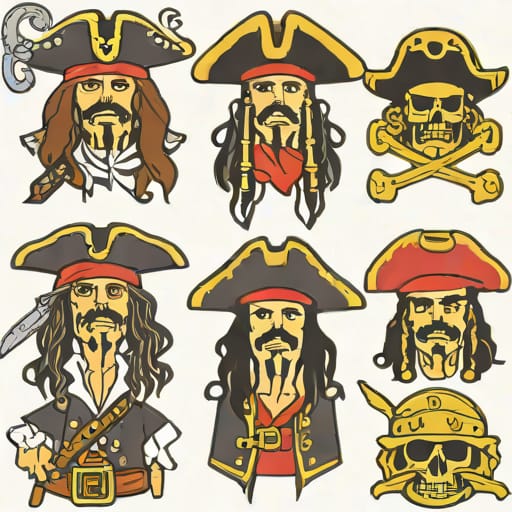
The Pirates of the Caribbean film series, produced by Disney, has captivated audiences worldwide with its thrilling adventures on the high seas. Among the many memorable characters and storylines, the depiction of Englishmen plays a significant role in shaping the narrative. Englishmen in Pirates of the Caribbean are often portrayed as rigid, disciplined, and tied to rules and order, creating a striking contrast with the unpredictable, free-spirited pirates who dominate the Caribbean waters. The tension between these two worlds law-abiding English authorities and rebellious pirates forms a central theme throughout the series. Understanding the roles of Englishmen in these films provides insight into the historical and cultural context of the 17th and 18th centuries while also highlighting how Hollywood blends history with cinematic fiction to entertain audiences.
Historical Context of Englishmen in the Caribbean
During the 17th and 18th centuries, the Caribbean was a hotspot for European colonization and maritime competition. The English, alongside the Spanish, French, and Dutch, established colonies, trading posts, and naval bases in this region. Englishmen, whether they were sailors, merchants, or naval officers, played a key role in expanding English influence and protecting trade routes. The threat of piracy, especially by privateers and rogue pirates, made the Caribbean a dangerous but economically lucrative region. The portrayal of Englishmen in Pirates of the Caribbean reflects this historical reality, showing characters committed to law enforcement, trade protection, and maintaining the crown’s authority in the colonies.
Representation of English Naval Officers
English naval officers are a recurring presence in the Pirates of the Caribbean series. Characters like Commodore Norrington exemplify the disciplined, honorable, and often rigid nature of the English Navy. These officers are depicted as steadfast defenders of law and order, striving to capture or eliminate pirates who threaten shipping lanes and colonial interests. Their professionalism and sense of duty stand in stark contrast to the chaotic and unpredictable behavior of pirate characters, creating a dynamic tension that drives much of the story’s conflict.
- Commitment to the crown and enforcement of maritime law
- Use of strategy, discipline, and naval power to pursue pirates
- Conflict between personal morals and professional obligations
- Interaction with both allies and adversaries in a morally complex world
Englishmen as Symbols of Order and Civilization
In the cinematic world of Pirates of the Caribbean, Englishmen often symbolize order, civilization, and societal rules. Their presence contrasts with the lawlessness of pirates who operate outside social norms and legal frameworks. This opposition is not only a plot device but also a reflection of a broader narrative the clash between structured society and individual freedom. By portraying Englishmen as steadfast enforcers of the law, the films highlight themes of authority, duty, and morality. These themes resonate with audiences, as they evoke a familiar struggle between order and chaos that is central to many adventure stories.
Conflict and Moral Complexity
While Englishmen are often depicted as disciplined and principled, the films also explore their moral complexities. For instance, Commodore Norrington initially appears as a strict, rule-bound officer, but his character evolves to reveal personal motivations, emotions, and even moments of compromise. This depth prevents the English characters from being one-dimensional villains or heroes. Their interactions with pirates such as Jack Sparrow and Barbossa create moral ambiguity, highlighting the idea that legality does not always equate to righteousness and that rebellion can sometimes challenge unjust systems.
Interactions with Pirates
The interactions between Englishmen and pirates are central to the plot of Pirates of the Caribbean. Englishmen pursue pirates for justice, reward, or duty, while pirates navigate a world of freedom, cunning, and survival. These encounters range from epic naval battles to clever negotiations and betrayals, emphasizing the constant tension between law and lawlessness. The Englishmen often underestimate the resourcefulness and unpredictability of pirates, which leads to dramatic and humorous situations that entertain viewers and reinforce the thematic contrast between order and chaos.
- Chases and naval battles highlighting tactical skill
- Negotiations and conflicts over treasure and allegiance
- Moments of mutual respect between enemies
- Humorous or ironic situations where pirates outwit English officers
Englishmen and Colonial Politics
Beyond law enforcement, Englishmen in the films also represent colonial authority and political power. They act as agents of the British Empire, enforcing trade laws, collecting taxes, and maintaining control over colonies. Their interactions with pirates often carry political undertones, as pirates are depicted not only as lawbreakers but also as challengers to imperial dominance. This aspect of the story reflects the historical context of the Caribbean, where European powers vied for control of trade routes, ports, and colonies, often clashing with privateers and pirates operating in the gray area between legality and rebellion.
Portrayal of Hierarchical Authority
The hierarchical structure of the English Navy and colonial administration is a recurring motif. Englishmen follow a chain of command, emphasizing obedience, discipline, and loyalty to superiors. This structured hierarchy contrasts sharply with the anarchic, self-governing nature of pirate crews, who are often democratically led or follow charismatic leaders. By highlighting this contrast, the films explore themes of leadership, loyalty, and the tension between personal freedom and institutional authority.
Impact on Audience Perception
The depiction of Englishmen in Pirates of the Caribbean shapes audience perceptions of historical figures and cultural norms. While the films take creative liberties, the portrayal of English officers as disciplined, principled, and occasionally morally conflicted provides a sense of realism and historical grounding. At the same time, the clever and charismatic pirates challenge traditional notions of right and wrong, encouraging viewers to question rigid authority structures and appreciate the complexity of human behavior. The interplay between Englishmen and pirates also reinforces the dramatic tension and adventure that make the films so popular worldwide.
Lessons from the Englishmen Characters
- Duty and discipline are valuable but may conflict with personal morals
- Authority is not always absolute and can be challenged creatively
- Understanding historical context enhances appreciation of cinematic storytelling
- Moral ambiguity makes characters more relatable and compelling
Englishmen in Pirates of the Caribbean serve as essential figures who represent law, order, and colonial authority, providing a counterbalance to the unpredictable, adventurous lives of pirates. Through characters like Commodore Norrington and other naval officers, the films explore themes of duty, morality, and the tension between freedom and authority. These portrayals are rooted in historical realities of the Caribbean during the age of exploration and piracy, yet they are dramatized for cinematic effect. By examining the roles of Englishmen in the series, audiences gain insight into the cultural and historical backdrop of piracy while enjoying the thrilling adventures that have made Pirates of the Caribbean a beloved franchise. The contrast between Englishmen and pirates not only drives the plot but also offers deeper reflections on morality, leadership, and human nature, making the series a rich and enduring piece of entertainment.