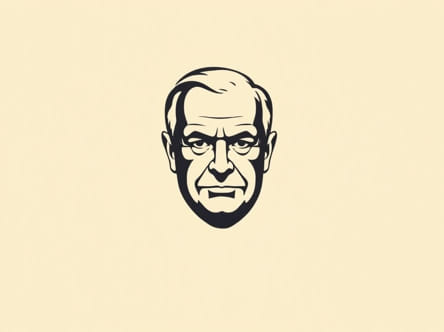
Stephanus Johannes Paulus Kruger, widely known as Paul Kruger, was a towering figure in late 19thcentury South Africa whose life and leadership shaped the destiny of the Afrikaner people. From his early years during the Great Trek to his role as State President of the South African Republic, Kruger embodied the determination of an independent Boer nation. As a farmer, soldier, Calvinist believer, and astute politician, his influence extended beyond mere politics he became a symbol of resistance, nationalism, and the struggle for selfrule. Understanding his journey offers insight into colonial dynamics, the roots of Afrikaner identity, and the causes that led to the Boer Wars.
Early Life and Background
Birth and Great Trek
Born on October 10, 1825, in the Cradock district of the Cape Colony, Kruger grew up in a humble farming family of Dutch descent
Education and Faith
Kruger had little formal schooling; his education came primarily through the local wandering master and extensive reading of the Bible
Rise in Military and Early Political Roles
Early Military Service
By his late teens, Kruger had become a field cornet a dual civil and military officer. He demonstrated bravery in conflicts such as battles against the Matabele at Vegkop and other frontier engagements
Founding the Transvaal Republic
In 1852, Kruger witnessed the Sand River Convention, which recognized Boer independence north of the Vaal River
Leadership and Diplomatic Efforts
Resistance to British Annexation
When Britain annexed the Transvaal in 1877, Kruger led resistance efforts. He traveled to London in 1877 and 1878 to petition against the annexation, though he was unsuccessful
First Boer War and Restoration of Independence
Kruger guided Boer forces to victory at the decisive battle of Majuba Hill in February 1881, ensuring eventual British withdrawal and recognition of Transvaal autonomy under the Pretoria Convention
The London Convention of 1884
Kruger presided over the London Convention, which clarified Transvaal’s borders and confirmed its independence, though British suzerainty was subtly acknowledged. This diplomatic achievement cemented his status as a national statesman
Presidency in the Age of Gold and Imperial Tension
The Gold Rush and Uitlander Tensions
The 1886 discovery of gold in Witwatersrand triggered an influx of foreign ‘uitlanders,’ mainly British, into Transvaal. Kruger feared their political and cultural influence and imposed stringent voting requirements such as a fourteenyear residency rule to preserve Boer control
Conflict with Cecil Rhodes and the Jameson Raid
Cecil Rhodes aimed to extend British influence across southern Africa and pressured Transvaal via proxies. The failed Jameson Raid of 1895-96 an attempted coup boosted Kruger’s domestic support, even as it escalated tensions with Britain
Road to the Second Boer War
Negotiations with British colonial leaders, particularly Alfred Milner, faltered over uitlander rights. When Kruger dismissed British demands and issued an ultimatum in October 1899, full-scale war erupted
The Boer Wars and Kruger’s Exile
Role in the Second Boer War
Though initially triumphant, the Boer forces were eventually overwhelmed by Britain’s military might. Kruger conveyed encouragement to troops via telegraph but, due to age and strategy, retreated eastward. In October 1900, he departed for Europe to rally support for the Boer cause
Life and Death in Exile
Kruger toured Europe especially the Netherlands, France, and Germany seeking diplomatic backing. He inspired sympathies but secured no interventions
Legacy and Influence
Symbol of Afrikaner Identity
Kruger emerged as a father figure for Afrikaner nationalism. His image inspired future generations and even contributed to the ideological foundations of apartheid-era identity
Political and Historical Impact
- Maintained Transvaal autonomy for twenty years despite imperial pressure.
- Shaped early South African diplomacy through conventions and war.
- Influenced later Afrikaner political movements and nationalist ideology.
Cultural Memory and Recognition
Monuments, coins (like the Krugerrand), and the Kruger National Park honor his memory Historians continue to study his pragmatic approach to governance and his role as a Boer nationalist leader.
Paul Kruger’s life story from pastoral boy to revered statesman traces a critical chapter in South African history. Throughout wars, negotiations, and internal changes, he remained committed to Boer independence and national identity. Though his leadership sparked conflict and division, his legacy endures: he built a nation, defended its sovereignty, and became an enduring symbol of Afrikaner pride. Whether lauded or criticized, Kruger’s impact still resonates in South Africa’s cultural and political landscape.
: