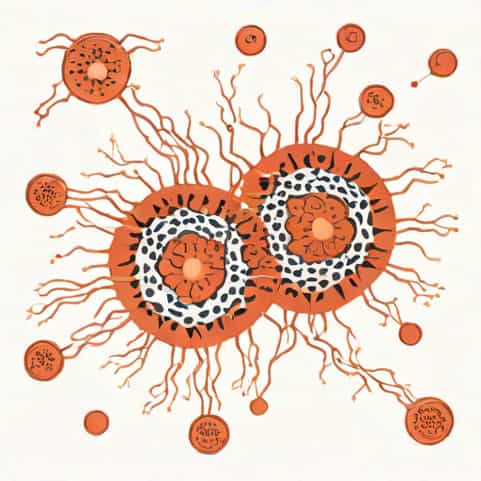
Flagellate infestation refers to infection or colonization by protozoan organisms that move using whip-like structures called flagella. These microorganisms can affect humans and animals, often targeting the gastrointestinal tract, urogenital system, or bloodstream. While the term may sound highly technical, the underlying biological processes follow patterns that can be understood with basic knowledge of host-parasite interaction. Understanding the pathophysiology of flagellate infestation helps explain why symptoms occur, how the body responds, and what complications may develop if the condition is left untreated.
What Are Flagellates
Flagellates are single-celled protozoa characterized by one or more flagella used for movement and attachment. Common medically relevant flagellates include organisms such as Giardia, Trichomonas, and Trypanosoma. These parasites survive by invading or attaching to host tissues, where they feed, reproduce, and interfere with normal biological functions.
Flagellate infestation can occur through contaminated water, food, sexual contact, or insect vectors, depending on the species involved. Once inside the host, the organism initiates a cascade of physiological changes that lead to disease.
Entry and Initial Colonization
The pathophysiology of flagellate infestation begins with entry into the host. For intestinal flagellates, ingestion of cysts through contaminated water or food is the most common route. These cysts are resistant to harsh environmental conditions and stomach acid.
After reaching the appropriate site, such as the small intestine, the cysts transform into active trophozoites. These motile forms use their flagella to move and attach to epithelial surfaces. This attachment is critical, as it allows the parasite to resist being flushed out by normal bodily processes.
Attachment and Tissue Interaction
Once attached, flagellates interact directly with host tissues. They may adhere to cell membranes using specialized structures or surface proteins. This attachment disrupts normal cellular function and can damage epithelial cells.
In the gastrointestinal tract, this damage interferes with nutrient absorption. In urogenital infections, it can cause inflammation and irritation of mucosal surfaces. The physical presence of the parasite alone is enough to initiate local tissue stress.
Cellular Damage and Functional Disruption
A key aspect of the pathophysiology of flagellate infestation is cellular injury. Some flagellates produce enzymes or toxins that degrade cell membranes and intracellular structures. Others cause damage indirectly by triggering host immune responses.
In intestinal infections, microvilli may become blunted or destroyed, reducing surface area for absorption. This leads to malabsorption of fats, carbohydrates, and vitamins, which explains symptoms such as diarrhea, weight loss, and fatigue.
Host Immune Response
The immune system plays a major role in the progression of flagellate infestation. Once the parasite is detected, innate immune cells such as macrophages and neutrophils are recruited to the site of infection. These cells release inflammatory mediators aimed at controlling the parasite.
Adaptive immunity also becomes involved, particularly through antibody production. Immunoglobulin A is especially important in mucosal infections, as it helps prevent parasite attachment. However, some flagellates can evade immune detection through antigenic variation, allowing them to persist in the host.
Inflammation and Symptom Development
Inflammation is a central feature of the pathophysiology of flagellate infestation. The release of cytokines and other inflammatory molecules increases blood flow and immune cell infiltration. While this response is meant to protect the host, it also contributes to symptoms.
Common inflammatory symptoms include pain, swelling, redness, and altered organ function. In intestinal infections, inflammation increases fluid secretion into the gut, leading to watery diarrhea. In urogenital infections, it may cause itching, discharge, and discomfort.
Metabolic and Nutritional Effects
Flagellate infestation can significantly alter host metabolism. Parasites compete with the host for nutrients, consuming glucose, amino acids, and lipids. This competition can lead to energy deficits, especially in chronic infections.
Malnutrition is a common consequence, particularly in children and immunocompromised individuals. Deficiencies in fat-soluble vitamins and iron may develop, further weakening the immune response and prolonging infection.
Systemic Spread in Severe Cases
While many flagellate infestations remain localized, some species are capable of systemic spread. Bloodstream flagellates can invade multiple organs, including the heart, nervous system, and liver. This dramatically changes the pathophysiology, shifting from local tissue damage to widespread organ dysfunction.
Systemic infection triggers a strong inflammatory response throughout the body, which can result in fever, anemia, and organ failure if untreated.
Chronic Infection and Tissue Remodeling
In some individuals, flagellate infestation becomes chronic. Persistent infection leads to long-term inflammation and tissue remodeling. The body attempts to repair damage, but repeated injury can result in fibrosis or permanent functional loss.
Chronic intestinal infections may lead to ongoing digestive problems, while chronic urogenital infections can increase susceptibility to secondary infections.
Factors Influencing Disease Severity
The severity of flagellate infestation depends on several factors. These include the species of flagellate, the number of organisms, host immune status, and nutritional condition.
- Weakened immune systems increase susceptibility
- Poor sanitation raises exposure risk
- Malnutrition worsens disease outcomes
- Repeated exposure increases parasite load
Resolution and Recovery
With appropriate treatment, the pathophysiological processes of flagellate infestation can be reversed. Elimination of the parasite allows damaged tissues to heal and inflammation to subside. Nutrient absorption often improves, leading to gradual recovery.
However, recovery may take time, especially in chronic cases. Restoring normal physiological function depends on both parasite clearance and host tissue regeneration.
The pathophysiology of flagellate infestation involves a complex interaction between parasite invasion, tissue damage, immune response, and metabolic disruption. From initial entry to potential chronic disease, these organisms can significantly affect host health. Understanding these mechanisms helps explain symptoms, complications, and recovery patterns. By recognizing how flagellates alter normal biological processes, clinicians and patients alike can better appreciate the importance of early detection, effective treatment, and prevention strategies.