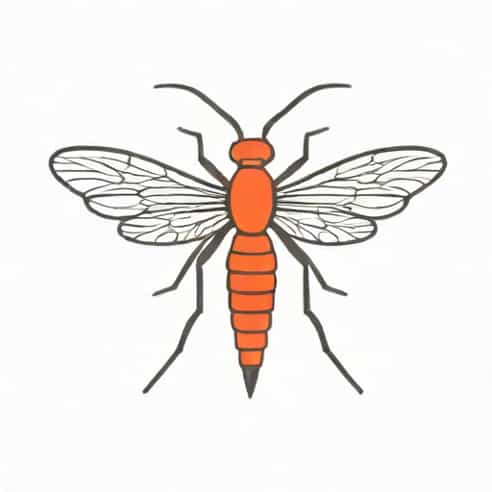
The Anopheles mosquito is one of the most medically significant insects in the world due to its role in transmitting diseases that affect millions of people every year. These mosquitoes are not just common pests; they are the primary vectors of malaria, a disease that has shaped human history and continues to be a global health concern. Understanding the medical importance of the Anopheles mosquito helps in developing strategies for disease prevention, control, and ultimately, eradication of mosquito-borne infections.
Understanding the Anopheles Mosquito
The Anopheles mosquito belongs to the family Culicidae and the genusAnopheles. There are over 400 species of Anopheles mosquitoes, but only about 30 to 40 species are capable of transmitting malaria to humans. These mosquitoes are found in almost every part of the world, especially in tropical and subtropical regions where warm temperatures and standing water create ideal breeding grounds.
Unlike other mosquitoes, Anopheles can be identified by their resting position-when they sit, their bodies form an angle with the surface, rather than lying flat. This small detail helps entomologists differentiate them from other species such asCulexorAedes. Both male and female Anopheles mosquitoes feed on nectar, but only females bite humans or animals, as they require blood to produce eggs.
Medical Importance of Anopheles Mosquitoes
The Anopheles mosquito holds immense medical importance because it serves as a vector for several diseases that have serious health implications. Among these, malaria is the most well-known and devastating. However, Anopheles mosquitoes can also transmit other pathogens under certain conditions. Understanding these medical roles is crucial for global public health efforts.
Malaria Transmission
Malaria is a parasitic disease caused byPlasmodiumspecies, and it is transmitted exclusively by the female Anopheles mosquito. When an infected mosquito bites a human, it injects the malaria parasites into the bloodstream through its saliva. The parasites then travel to the liver, where they multiply before invading red blood cells, leading to symptoms such as fever, chills, fatigue, and in severe cases, death.
There are several types ofPlasmodiumparasites that infect humans, including
- Plasmodium falciparum– the most deadly and prevalent species, responsible for most malaria-related deaths.
- Plasmodium vivax– common in Asia and Latin America; it can remain dormant in the liver and cause relapses.
- Plasmodium ovaleandPlasmodium malariae– less common but still capable of causing illness.
- Plasmodium knowlesi– a zoonotic species found mainly in Southeast Asia.
Malaria affects over 200 million people each year and causes hundreds of thousands of deaths, primarily among children under five and pregnant women in sub-Saharan Africa. The Anopheles mosquito’s role in spreading this disease makes it one of the most dangerous creatures on Earth from a medical perspective.
Other Diseases Linked to Anopheles Mosquitoes
While malaria is the main disease transmitted by Anopheles mosquitoes, some species have also been linked to the transmission of filarial worms, which cause a condition known as lymphatic filariasis or elephantiasis. In this disease, microscopic worms infect the lymphatic system, leading to severe swelling of the limbs and other body parts. Though less common than malaria, it remains a significant public health issue in certain regions.
In rare cases, some Anopheles species have been found capable of transmitting viruses under laboratory conditions, though they are not considered natural vectors of viral diseases likeAedes aegypti(which spreads dengue and Zika). This demonstrates the biological diversity and adaptability of the genus.
Life Cycle and Its Role in Disease Spread
The life cycle of the Anopheles mosquito plays a vital role in disease transmission. It includes four stages egg, larva, pupa, and adult. Each stage requires specific environmental conditions, particularly water, making stagnant or slow-moving water bodies critical breeding sites.
Breeding and Habitat
Anopheles mosquitoes typically lay their eggs on the surface of clean, unpolluted water such as ponds, rice fields, marshes, and puddles. The larvae and pupae remain aquatic, feeding on microorganisms until they mature into adults. This dependence on water is why malaria transmission is higher in rainy seasons or areas with poor drainage systems.
Feeding Habits and Transmission Cycle
Only the female Anopheles mosquito bites humans, usually between dusk and dawn. The feeding process allows the mosquito to act as a vector, transferring thePlasmodiumparasite between infected and healthy individuals. Once inside the mosquito, the parasite undergoes development in its gut and salivary glands before being passed on through the next bite. This cyclical relationship between humans and mosquitoes sustains the spread of malaria in endemic regions.
Public Health Impact of Anopheles Mosquitoes
The public health impact of Anopheles mosquitoes is vast and complex. They are responsible for a high disease burden in tropical and subtropical countries, affecting economic development, education, and overall quality of life. Malaria alone causes billions of dollars in healthcare costs and productivity losses each year. Countries heavily affected by Anopheles-transmitted diseases often face challenges in healthcare infrastructure, making prevention and control even more difficult.
Vulnerable Populations
Children under five, pregnant women, and individuals with weakened immune systems are the most vulnerable to malaria. Pregnant women are particularly at risk because malaria infection can lead to low birth weight, maternal anemia, and even miscarriage. In areas where malaria is endemic, repeated exposure can result in partial immunity, but non-immune travelers remain at high risk when visiting such regions.
Control and Prevention Measures
Efforts to reduce the medical impact of Anopheles mosquitoes focus on breaking the transmission cycle through vector control and preventive treatments. Successful control programs typically combine several strategies
- Insecticide-treated bed nets (ITNs)Sleeping under treated nets greatly reduces mosquito bites during nighttime hours.
- Indoor residual spraying (IRS)Applying insecticide to walls and ceilings kills mosquitoes that rest indoors after feeding.
- Eliminating breeding sitesProper drainage, filling of puddles, and management of standing water prevent mosquito reproduction.
- Biological controlUsing natural predators like fish or bacteria that target mosquito larvae helps reduce populations without harmful chemicals.
- Antimalarial drugs and vaccinesMedications and the introduction of malaria vaccines provide protection for vulnerable populations.
Scientific Research and Future Solutions
Ongoing research continues to explore innovative methods for controlling Anopheles mosquitoes and reducing disease transmission. Scientists are studying genetic modification techniques to create sterile or malaria-resistant mosquito populations. Additionally, new vaccines and improved insecticides are being developed to combat growing resistance among mosquito populations and parasites.
Climate change also affects the distribution of Anopheles mosquitoes. Warmer temperatures and changing rainfall patterns are expanding their habitats into new regions. Understanding these environmental influences is critical for predicting future disease outbreaks and implementing timely preventive actions.
The medical importance of the Anopheles mosquito cannot be overstated. As the primary vector of malaria and other parasitic diseases, it continues to threaten global health, particularly in developing countries. Efforts to control and eliminate these mosquitoes are vital to reducing illness, saving lives, and improving economic stability in affected regions. Through public awareness, scientific research, and coordinated global initiatives, humanity moves closer to controlling the diseases spread by Anopheles mosquitoes and creating a healthier, safer world for future generations.