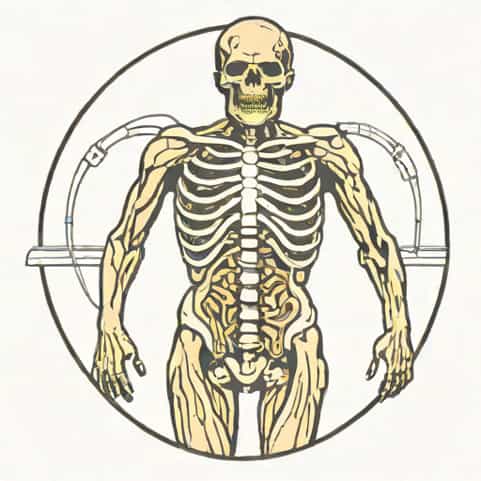
The word cadaver evokes a sense of mystery, death, and the scientific study of the human body. Commonly used in medical contexts, forensic investigations, and anatomy classes, the term refers to a dead human body prepared for examination or dissection. However, its origins stretch far back in history, carrying with them fascinating linguistic roots and cultural implications. Understanding the evolution of the word cadaver provides not only insight into language development but also into the ways societies have approached death, medicine, and human anatomy over the centuries.
Historical Roots of the Word Cadaver
The word cadaver traces back to the Latin termcadaver, which directly referred to a corpse or dead body. In Latin,caderemeans to fall, a root that is linked to the concept of falling or collapsing in death. The transformation fromcaderetocadaverillustrates the linguistic tendency to associate physical falling with the cessation of life. Ancient Romans used the term in medical texts and burial practices to describe human remains that were either being prepared for cremation, study, or ritual purposes.
Medieval and Renaissance Influences
During the medieval period, the term cadaver was primarily associated with religious and legal contexts, often referring to bodies for burial or those exhumed for investigation. Latin remained the scholarly language of Europe, and medical practitioners adopted the word when discussing anatomical studies. By the Renaissance, as dissection became more common in medical schools across Europe, cadaver firmly established itself in scientific literature. Anatomists like Andreas Vesalius, whose work on human anatomy in the 16th century revolutionized medicine, frequently used the term to describe human bodies used for dissection and teaching purposes.
Transition into English
The English adoption of the term cadaver can be traced to the late Middle Ages, particularly during the 14th and 15th centuries. It entered the English language through Old French, which borrowed heavily from Latin. At first, its usage in English was predominantly within academic and medical contexts. Over time, the word expanded in scope, encompassing not only scientific study but also legal investigations, forensic examinations, and literature. The term retained its grave and serious connotation, often evoking the natural inevitability of death.
Cultural Significance of Cadavers
Understanding the word cadaver also requires exploring the cultural and societal implications attached to human remains. In many societies, cadavers were not only objects of scientific study but also items of reverence, ritual, and respect. In ancient Rome, bodies were often treated with ceremonies that honored the dead while simultaneously acknowledging their usefulness for educational purposes. Similarly, in Renaissance Europe, cadavers were crucial to the advancement of medical knowledge, despite prevailing superstitions and taboos surrounding dissection.
Cadavers in Medical Education
The use of cadavers in medical education has been essential for centuries. Early medical schools often faced legal and ethical hurdles in obtaining human bodies, leading to clandestine practices and complex regulations. The word cadaver thus became closely tied to the concept of medical dissection, anatomy, and the ethical considerations surrounding the study of human remains. Today, cadavers remain indispensable for training future doctors, surgeons, and forensic experts, linking the word’s historical roots directly to contemporary practice.
Legal and Forensic Contexts
Beyond medicine, the word cadaver is frequently used in legal and forensic contexts. Law enforcement, forensic scientists, and coroners rely on cadaver studies to determine the cause of death, reconstruct crime scenes, and understand human decomposition. The Latin roots of the term continue to carry a precise and clinical implication, ensuring that cadaver retains its original association with serious, scientific, and investigative purposes.
Linguistic Evolution and Related Terms
The linguistic journey of cadaver reveals connections to other words in English that describe falling, death, or decomposition. Words like decay, cadence, and cascade share similar Latin origins, illustrating how language evolves through metaphorical and literal associations. Over time, cadaver became a specialized term, maintaining its Latin form while entering dictionaries, medical manuals, and educational texts with minimal alteration. This preservation of form highlights the importance of Latin as a foundation for scientific terminology.
Modern Usage
In modern English, cadaver is predominantly used in scientific, medical, and forensic contexts. It rarely appears in casual conversation, except in literary or metaphorical applications. Contemporary medical schools, forensic labs, and anatomy texts continue to use the word to describe human bodies preserved for study, maintaining a connection between the historical and the practical. Additionally, the term has also inspired cultural references in literature, film, and popular media, symbolizing death, mystery, and the exploration of the human body.
The origin of the word cadaver offers a unique lens through which to explore history, language, and culture. From its Latin roots incadereto its adoption in medieval and Renaissance Europe, the term has consistently carried connotations of death, respect, and scientific inquiry. Its enduring presence in medical, forensic, and academic contexts demonstrates the way language evolves while maintaining historical significance. By understanding the etymology of cadaver, we gain a deeper appreciation for both the power of words and the long-standing human fascination with the study of life and death.
- Latin OriginDerived fromcadere, meaning to fall.
- Medieval UsageUsed in burial, legal, and scholarly contexts.
- Renaissance InfluenceAdopted in medical schools for anatomical study.
- English AdoptionEntered via Old French in the 14th-15th centuries.
- Modern UsageScientific, medical, and forensic contexts.
- Cultural SignificanceReflects societal attitudes toward death and the body.