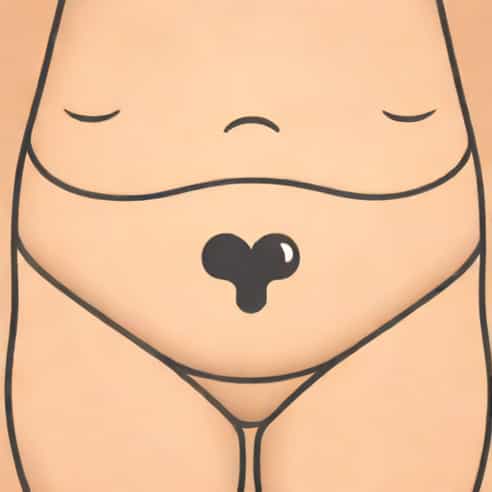
Noticing that your belly button smells and is wet can be uncomfortable and sometimes embarrassing, but it is more common than many people realize. The belly button is a natural fold in the skin that can trap moisture, sweat, dead skin cells, and bacteria. When these elements combine, they can cause odor, discharge, or persistent dampness. Understanding the possible causes and knowing the right treatment options can help you restore comfort and maintain good hygiene.
Why the Belly Button Can Smell and Stay Wet
The belly button, also known as the navel, is a small cavity that can easily become a warm and moist environment. This makes it an ideal place for bacteria and fungi to grow. When these microorganisms multiply, they can produce unpleasant odors and lead to wetness or discharge.
Several factors can contribute to this issue, including body type, hygiene habits, climate, and underlying skin conditions. Deep belly buttons are especially prone to trapping debris and moisture.
Common Causes of Belly Button Odor and Wetness
Poor Hygiene
Inadequate cleaning is one of the most common reasons a belly button smells and feels wet. Soap and water may not always reach deep inside the navel during regular bathing, allowing sweat and debris to build up over time.
Fungal or Bacterial Infection
Yeast and bacteria thrive in warm, moist areas of the body. A fungal infection, similar to a yeast infection, can cause redness, itching, odor, and a wet or sticky discharge. Bacterial infections may produce a stronger smell and sometimes pain or swelling.
Excessive Sweating
People who sweat heavily or live in hot, humid climates may notice more moisture around the belly button. Sweat trapped in the navel can lead to odor if not cleaned and dried properly.
Skin Conditions
Certain skin conditions, such as eczema or dermatitis, can affect the belly button. These conditions may cause irritation, oozing, or increased sensitivity, contributing to wetness and smell.
Foreign Objects or Debris
Lint, hair, dead skin cells, and even remnants of lotions or oils can accumulate in the belly button. Over time, this buildup can cause irritation and odor.
Signs That May Need Attention
While mild odor or moisture can often be managed at home, some symptoms may indicate a more serious issue. These signs should not be ignored.
- Persistent foul smell despite regular cleaning
- Yellow, green, or bloody discharge
- Redness, swelling, or pain
- Itching or burning sensation
- Crusting or skin breakdown around the navel
If these symptoms occur, professional medical evaluation may be necessary.
How to Clean a Smelly and Wet Belly Button
Proper cleaning is the first and most important step in treatment. Gentle and consistent hygiene can often resolve mild cases.
Daily Cleaning Routine
Use warm water and a mild, fragrance-free soap to clean the belly button. A soft cloth or cotton swab can help reach deeper areas without causing irritation. Avoid scrubbing too hard, as the skin inside the navel is sensitive.
Rinse thoroughly to remove any soap residue, which can also contribute to irritation if left behind.
Drying the Area Completely
After washing, it is essential to dry the belly button completely. Moisture left behind can encourage bacterial or fungal growth. Use a clean towel or cotton swab to gently absorb any remaining water.
Keeping the area dry throughout the day is key to preventing recurring issues.
Home Treatments for Odor and Moisture
If basic cleaning is not enough, some home care measures may help reduce symptoms.
Antifungal or Antibacterial Products
Over-the-counter antifungal creams or powders may help if a yeast infection is suspected. These products are often used for skin folds and can help control moisture and odor.
Mild antibacterial solutions may also be helpful, but they should be used carefully to avoid skin irritation.
Avoiding Moisture Traps
Wearing breathable clothing and avoiding tight waistbands can reduce sweating around the belly button. Changing out of sweaty clothes promptly also helps keep the area dry.
When to Seek Medical Treatment
If your belly button smells and is wet despite proper hygiene and home care, it may be time to consult a healthcare professional. A doctor can determine whether an infection or skin condition is present and recommend appropriate treatment.
Medical treatment may include prescription antifungal or antibiotic medications, depending on the cause. Early treatment can prevent complications and provide faster relief.
Preventing Future Belly Button Problems
Prevention focuses on cleanliness, dryness, and awareness. Simple daily habits can greatly reduce the risk of recurring odor and moisture.
- Clean the belly button regularly during bathing
- Dry the area thoroughly after washing or sweating
- Avoid inserting sharp or unclean objects into the navel
- Use gentle skincare products
- Monitor for changes in smell, color, or sensation
Consistency is more important than aggressive cleaning.
Belly Button Care for Different Body Types
People with deeper belly buttons or higher body fat may need to pay extra attention to navel hygiene. Skin folds can increase moisture retention, making regular care especially important.
Using absorbent powders designed for skin folds can help reduce dampness in these cases.
Emotional Comfort and Confidence
Dealing with a smelly or wet belly button can affect confidence and comfort. It is important to remember that this issue is common and usually manageable. Addressing it promptly can prevent embarrassment and improve overall well-being.
Taking care of small hygiene details is part of maintaining good health, not something to feel ashamed of.
If your belly button smells and is wet, it is often a sign of trapped moisture, bacteria, or fungal growth. With proper cleaning, thorough drying, and attention to hygiene, many cases can be resolved at home. Understanding the causes and treatment options allows you to take control of the situation calmly and effectively.
When symptoms persist or worsen, seeking medical advice ensures proper treatment and peace of mind. With regular care and awareness, maintaining a clean and healthy belly button is simple and achievable.