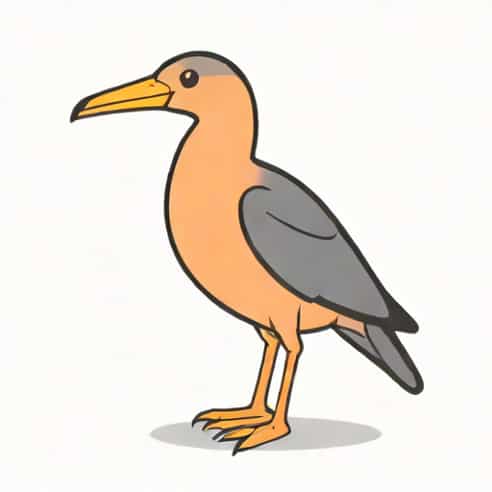
Australia is home to many unique and unusual creatures, from kangaroos to koalas and giant lizards. But one of the most remarkable and surprisingly dangerous animals is a bird that cannot fly. Known as the cassowary, this large, colorful bird has earned the title of the most dangerous flightless bird in Australia, and perhaps even in the world. Although it looks beautiful and almost prehistoric, the cassowary’s strength, sharp claws, and unpredictable behavior make it a creature to be respected and approached with extreme caution.
Understanding the Cassowary
The cassowary belongs to the same family as the emu and the ostrich, known as ratites a group of large, flightless birds. There are three main species of cassowary the Southern Cassowary, the Dwarf Cassowary, and the Northern Cassowary. The Southern Cassowary, also called the Double-wattled Cassowary, is the species found in northern Australia, mainly in the rainforests of Queensland. It is the largest and most well-known type of cassowary, famous for its striking appearance and aggressive reputation.
This bird can stand up to two meters tall and weigh over 60 kilograms, making it one of the heaviest birds on Earth. It has powerful legs, a vivid blue neck, and a helmet-like structure on its head called a casque. Despite its beauty, the cassowary is not an animal to underestimate. It has a strong territorial instinct, especially during breeding season or when defending its chicks.
Why the Cassowary Is Considered Dangerous
The cassowary’s danger comes from its incredible physical power and its natural instincts. Unlike many birds that flee when threatened, a cassowary will often stand its ground or attack if it feels cornered. Its main weapon is its legs each foot has three toes, and the inner toe carries a sharp claw up to 12 centimeters long. This claw can slice through flesh and cause serious injuries. In rare cases, cassowary attacks have even been fatal to humans.
Experts often describe the cassowary as the world’s most dangerous bird because of this combination of speed, power, and aggression. Although attacks are uncommon, they usually happen when people try to feed or approach the bird too closely. In the wild, cassowaries prefer to stay hidden in the dense forest, but when provoked or surprised, they react with remarkable speed.
Physical Abilities That Make the Cassowary Dangerous
- SpeedA cassowary can run up to 50 kilometers per hour through thick vegetation.
- Jumping powerIt can leap over two meters into the air if threatened or chasing a rival.
- ClawsThe middle toe’s dagger-like claw is capable of causing deep cuts.
- Strong legsEach kick carries enough force to break bones or knock a person to the ground.
The Cassowary’s Habitat in Australia
In Australia, cassowaries live mainly in the tropical rainforests of northern Queensland. These forests provide the perfect environment humid, dense, and full of fruiting trees. The cassowary plays a vital ecological role here as a seed disperser. Many rainforest plants depend on cassowaries to eat their fruit and spread seeds across the forest floor through their droppings. Without cassowaries, some plant species would struggle to survive.
However, this unique habitat is shrinking. Deforestation, land development, and vehicle collisions have reduced cassowary numbers significantly. Today, the Southern Cassowary is listed as a vulnerable species, with only a few thousand left in the wild. Conservation groups in Australia work to protect their rainforest homes and educate the public on how to coexist safely with these powerful birds.
How to Stay Safe Around a Cassowary
Most cassowary attacks happen when humans ignore warnings or try to feed the birds. Feeding cassowaries may seem harmless, but it causes them to lose their natural fear of people. When cassowaries associate humans with food, they become bolder and more aggressive in seeking it. This can lead to dangerous encounters on hiking trails, in gardens, or near roads.
If you live or travel in cassowary territory, it’s important to understand how to behave around them. Staying safe is not difficult, but it requires respect for the animal’s space and awareness of your surroundings.
Safety Tips When Encountering a Cassowary
- Never feed a cassowary. Feeding encourages aggressive behavior and makes them approach humans more often.
- Keep a safe distance of at least 20 meters if you see one in the wild.
- Do not run. Back away slowly and place a solid object, such as a tree, between you and the bird.
- If a cassowary approaches aggressively, raise your arms or a backpack to appear larger.
- Never corner or chase a cassowary they are faster and stronger than they look.
The Cassowary’s Role in Aboriginal Culture
For many Indigenous Australian groups, the cassowary is more than just an animal it is a powerful symbol of strength, protection, and danger. In Aboriginal mythology, the cassowary often appears as a spirit or guardian of the forest. Some traditional stories describe it as both a giver of life and a bringer of death, reflecting its dual nature as a provider of fruit and a creature capable of great harm.
The bird’s feathers, bones, and eggs have been used in cultural ceremonies for centuries. Its image appears in traditional art, songs, and stories that teach respect for nature and its power. Even today, local communities continue to honor the cassowary as a reminder of the balance between humans and the environment.
Comparing the Cassowary with Other Flightless Birds
While the cassowary is undoubtedly the most dangerous flightless bird in Australia, it is not the only large bird that can’t fly. The emu, for example, is also native to Australia and can reach impressive speeds when running. However, emus are generally gentle and shy compared to cassowaries. They lack the deadly claw and the same aggressive defensive behavior.
In other parts of the world, birds like ostriches and rheas share similarities with cassowaries. The ostrich, native to Africa, can also deliver powerful kicks and has been known to injure humans. Still, the cassowary remains unique because of its combination of rainforest habitat, vibrant colors, and more solitary lifestyle. It is a rare example of how beauty and danger can exist together in nature.
Interesting Facts About the Cassowary
- The casque on the cassowary’s head is made of keratin, the same material as human fingernails.
- They are excellent swimmers and can cross wide rivers and even swim in the sea.
- Cassowaries can eat over 150 different types of fruit, making them vital to rainforest regeneration.
- The males are responsible for incubating the eggs and caring for the chicks once they hatch.
- Despite their reputation, cassowaries are usually peaceful unless provoked or defending their young.
Conservation Efforts and Human Responsibility
The future of the cassowary depends heavily on human action. Conservationists in Australia are working hard to protect their remaining rainforest habitats and reduce the number of road accidents that kill cassowaries each year. Efforts include creating wildlife corridors, installing warning signs in cassowary areas, and restoring native vegetation.
People who live near cassowary habitats are also encouraged to secure rubbish bins, avoid feeding wildlife, and report injured birds to wildlife rescue organizations. Simple actions can make a big difference in protecting this extraordinary species and preventing dangerous encounters.
The cassowary is a symbol of Australia’s wild side colorful, ancient, and unpredictable. While it is without a doubt the most dangerous flightless bird in Australia, it is also one of the most important species in maintaining the balance of the rainforest ecosystem. Understanding and respecting the cassowary means recognizing that danger and beauty often coexist in nature. By keeping our distance and protecting their habitat, humans and cassowaries can continue to share the same land safely. This remarkable bird reminds us that not all danger wears fangs or flies in the sky; sometimes, it walks quietly beneath the trees of Australia’s tropical forests.