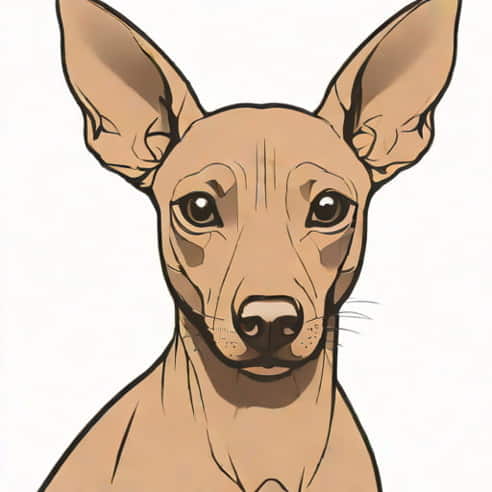
The Mexican Hairless Dog, also known as the Xoloitzcuintli or Xolo, is a unique and ancient breed with a rich history dating back thousands of years in Mexico. Known for its hairless appearance, the breed is celebrated for its intelligence, loyalty, and distinctive look. For many enthusiasts, one of the first challenges in learning about this breed is understanding how to pronounce its name correctly. Mispronunciation is common due to the complexity of its indigenous roots, and knowing the proper pronunciation not only shows respect for the breed’s heritage but also aids in effective communication among dog breeders, veterinarians, and enthusiasts. This topic explores the proper pronunciation of the Mexican Hairless Dog, the origins of its name, and tips to help remember and use it correctly in everyday conversation.
Understanding the Name Xoloitzcuintli
The Mexican Hairless Dog is officially called the Xoloitzcuintli, a name derived from the Nahuatl language, which was spoken by the Aztecs. The word combines Xolotl, the name of the Aztec god associated with lightning and death, and itzcuintli, which means dog. This complex term reflects both the cultural and spiritual significance of the breed in ancient Mexican society. Pronouncing Xoloitzcuintli correctly can be intimidating for those unfamiliar with Nahuatl phonetics, but breaking it down into parts can make it more manageable.
Breaking Down the Pronunciation
The name Xoloitzcuintli can be phonetically represented as SHOW-low-eets-KWEEN-tlee. Here’s a breakdown of each part
- XoloPronounced SHOW-low, with emphasis on the first syllable. The X in Nahuatl is pronounced as sh.
- itzPronounced eets, a short, clipped sound.
- cuintliPronounced KWEEN-tlee, with the emphasis on KWEEN. The c is pronounced as a hard k sound, and the ending tli is articulated quickly.
Putting it all together SHOW-low-eets-KWEEN-tlee. While this may still seem challenging at first, practicing in segments makes it easier to master.
Alternative Names and Simplified Pronunciations
Due to the complexity of Xoloitzcuintli, many people use simplified versions or nicknames to refer to the breed. The most common simplified name is Xolo, pronounced SHOW-low. This shortened version is widely accepted among dog enthusiasts and is easier for general conversation. Another common alternative is Mexican Hairless Dog, which is straightforward and descriptive, though it does not carry the cultural significance of the original name.
Using Xolo Correctly
Xolo serves as an accessible way to refer to the breed in casual or informal settings. When introducing the dog to others, you can start by saying Xoloitzcuintli, often called Xolo, which bridges the formal and simplified names and helps educate listeners about the proper terminology.
Importance of Pronunciation
Pronouncing the breed’s name correctly has several important implications. Firstly, it honors the breed’s ancient cultural and spiritual heritage. The Xoloitzcuintli was considered sacred by the Aztecs, often believed to guide souls to the afterlife. Correct pronunciation demonstrates respect for this historical context. Secondly, it promotes clear communication in professional settings, such as dog shows, breeding circles, and veterinary discussions. Mispronunciation can lead to misunderstandings or misidentification of the breed.
Educational Value
Learning the correct pronunciation of Xoloitzcuintli can also spark interest in Mexican history and Nahuatl culture. Many dog enthusiasts take the opportunity to explore the origins of the breed, its role in ancient society, and its symbolism. This educational aspect enriches the experience of owning or interacting with a Xolo and provides a deeper appreciation for the breed.
Tips for Mastering Pronunciation
Mastering the pronunciation of Xoloitzcuintli can be challenging, but consistent practice and using phonetic aids make it achievable. Here are some practical tips
- Break it into syllablesFocus on one segment at a time SHOW-low / eets / KWEEN-tlee.
- Emphasize the correct syllableStress on SHOW and KWEEN helps capture the authentic sound.
- Listen to native speakersAudio recordings of Nahuatl speakers or experienced breeders can help internalize the pronunciation.
- Practice regularlyRepetition is key. Say the name aloud several times daily until it becomes natural.
- Use the nicknameUsing Xolo in casual contexts allows easier integration while still recognizing the full name in formal situations.
Pronunciation in Dog Shows and Professional Contexts
In dog shows and professional breeding contexts, proper pronunciation is particularly important. Judges, breeders, and veterinarians often expect the use of the full name Xoloitzcuintli. Mispronouncing the name in these settings can reflect poorly on one’s knowledge of the breed. Using the phonetic guide SHOW-low-eets-KWEEN-tlee or practicing with audio resources ensures that you communicate accurately and confidently.
Introducing the Breed to Others
When introducing the breed to friends, family, or potential owners, it is helpful to provide both the full name and the simplified version. For example This is a Xoloitzcuintli, commonly called Xolo, which is a rare Mexican Hairless Dog. This approach educates others while keeping the conversation approachable.
Cultural Significance of Pronunciation
Pronouncing Xoloitzcuintli correctly also connects us to the cultural legacy of Mexico. The breed is more than just a dog; it represents thousands of years of history, mythology, and human-animal relationships. By learning the proper pronunciation, owners and enthusiasts contribute to preserving the linguistic and cultural heritage associated with the breed. This act of respect resonates in educational, social, and professional contexts, creating awareness and appreciation for the Xolo’s historical importance.
Link to Mexican Heritage
The Xoloitzcuintli has been depicted in Aztec sculptures, codices, and artwork, often highlighting its sacred role. Proper pronunciation acknowledges these cultural roots and allows owners to share authentic stories about the breed. It also fosters pride in Mexican heritage and educates international audiences about the breed’s significance.
The Mexican Hairless Dog, or Xoloitzcuintli, is a breed with a remarkable history and unique characteristics that set it apart in the canine world. Understanding how to pronounce its name correctly SHOW-low-eets-KWEEN-tlee connects enthusiasts to the breed’s cultural and historical roots. Simplified names like Xolo make everyday conversation easier while still honoring the breed’s identity. Mastering pronunciation enhances communication in professional settings, supports educational efforts, and demonstrates respect for Mexico’s rich heritage. Whether you are a new owner, a dog show participant, or simply a fan of this ancient breed, learning the correct pronunciation is the first step toward appreciating the full significance of the Xoloitzcuintli and sharing its story with others.