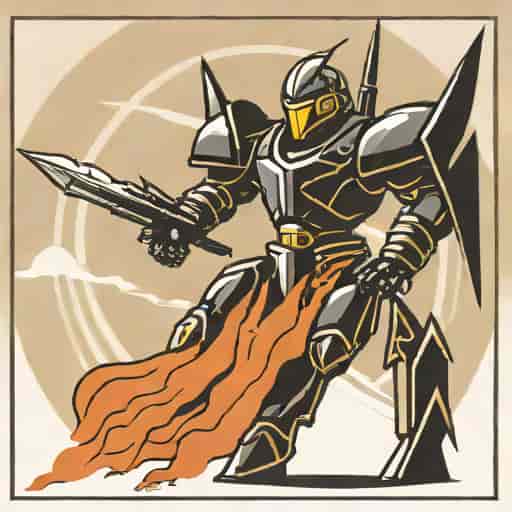
In the ever-evolving landscape of video gaming, few titles manage to combine action, narrative, and unique mechanics into one memorable experience quite like Mechanical Violator Hakaider The Last Judgement. Released exclusively for the Sega Saturn in Japan, this game stands out not only for its arcadestyle gameplay but also for the way it builds upon the story of its cinematic origin. It offers gamers an immersive ride through a dystopian world where robotics, rebellion, and philosophy collide. For fans of the original film and newcomers alike, the game brings something fresh while honouring its roots in the tokusatsu genre. In this topic we’ll explore the game’s background, story, gameplay mechanics, characters, visuals, and legacy so you can understand why it remains a cult title for many.
Background and Origins
The game is based on the film Mechanical Violator Hakaider (1995), and builds on the world of that film to present a direct sequel experience. The original film introduced the character Hakaider, an android who questions his purpose and engages with a city named Jesus Town under oppressive rule. The game picks up ten years after the film’s events allowing the developers to expand the story, deepen the world and provide players with an actionheavy experience. The developer behind the game, Japan Media Programming Inc. (JMP), worked with publisher Sega Enterprises Ltd. to deliver this Sega Saturn exclusive. Its release date, December 27, 1996, makes it part of the mid90s wave of experimental console games that blended genres.
Story and Setting
Set in the futuristic dystopia of Jesus Town, the narrative of The Last Judgement places the player in the shoes of the antihero android Hakaider. The storyline begins after a major defeat Hakaider has lost his right arm to a robot named Waruder and retreats to rebuild himself. Then he returns to Jesus Town to reclaim his arm and face the powerful AI program Gil, along with other major adversaries. Within this dark utopian environment, Jesus Town appears to offer peace and order, but that peace is shown to rely on suppression of free will, lobotomized citizens, and mechanical enforcement of obedience. Hakaider’s quest is not only physical but philosophical he fights to reclaim his body, but also to challenge the system controlling the city. The complex narrative invites players to consider ideas of freedom, identity, and authority even as they blast through waves of robotic foes.
Key Plot Beats
- Hakaider is defeated and injured by Waruder, setting the stage for his comeback.
- Jesus Town’s apparent peace is revealed to be based on control, not liberty.
- Hakaider confronts major characters including Michael, Gurjev and Gil in climactic battles.
- The game world moves beyond simple good vs evil by presenting Hakaider traditionally a villain as antihero.
Gameplay and Mechanics
The game blends onrails shooter mechanics with light adventure elements a combination that gives it both fastpaced action and occasional exploratory segments. According to descriptions, the player uses a weapon called the Hakaider Shot and faces waves of enemies, bosses and sometimes environmental challenges. The shooting sections are typical of lightgun rail shooters you don’t control full movement but instead aim and shoot targets coming toward you. What sets it apart is the inclusion of different ammunition types, reload mechanics, and point grading based on accuracy and enemy percentage hit. Between shooting segments, there are more traditional adventure game moments you explore environments, talk to characters, visit shops for upgrades, and trigger story events. These sequences help break up the shooter flow and provide context for the story.
Weapon and Upgrade System
The game gives players a choice of ammo types for the Hakaider Shot, each with its own strengths and reload times. For example
- Normal bullets default ammo, balanced performance.
- Rapid fire machine gun high rate of fire but less damage per shot.
- Shotgun type ammo high damage but limited shells and slower reload.
- Bazooka or rocket rounds highest damage for bosses, slow reload and very limited ammo.
This mix of weapon choices adds tactical depth you must decide which ammo to use in which situation, when to buy upgrades, and when to conserve for boss fights or tougher waves.
Characters and Design
The character roster combines returning figures from the original film and new enemies created for the game. Hakaider himself is central, now in a more heroic or at least antihero role. Other key characters include Michael, Gurjev, Waruder and several dark robots or variants thereof. Design wise, the aesthetic is recognisably tokusatsu bold, dramatic costumes, androids with menacing features, and a cityscape that juxtaposes peace with oppression. The game retains the atmosphere of the original film while leveraging the interactive medium to expand character interactions and environments.
Notable Personality Highlights
- Hakaider now fighting not only for his arm but for the idea of free will.
- Michael a former conscience figure turned adversary, posing philosophical questions of order and choice.
- Gurjev ruling figure of Jesus Town, representing the system that suppresses freedom in the name of peace.
Visuals, Audio and Atmosphere
The game, though on the aging Sega Saturn hardware, uses CDROM full motion video segments and 3D environments to create an immersive atmosphere. Screenshots and descriptions note that the game features stylish visuals and a dark, moody tone fitting the narrative of rebellion and android warfare. Audio is similarly ambitious voice acting from the film’s cast returns, and music reinforces the tone of tension, futility and fight for freedom. The mix of shooter mechanics with cinematic segments helps create a sense of being inside the story, not just playing a passive title.
Reception and Legacy
While not widely known outside Japan, Mechanical Violator Hakaider The Last Judgement has developed a cult following among fans of tokusatsu, retro shooters, and Sega Saturn collectors. Review sites note its unique blending of genres and ambitious story for its era. Its rarity and exclusivity to Japan have also made it a soughtafter title for importers and retro gamers. Beyond pure gameplay, the game serves as a snapshot of mid90s experimentation when developers were combining arcade shooter dynamics with narrative, adventure and licensed properties.
Why It Still Matters
- It offers a rare crossover of filmbased narrative and interactive shooter design.
- The antihero story of Hakaider challenges typical herovillain binaries, making the narrative more complex and interesting.
- For Sega Saturn enthusiasts, it’s a platformspecific experience that showcases how developers pushed the console’s capabilities.
- It remains an example of how licensed games can be ambitious rather than purely promotional. The storyline, character depth and gameplay integration are more than just a tiein.
Mechanical Violator Hakaider The Last Judgement stands as a distinctive title in the library of the Sega Saturn and in the broader world of action/adventure shooters. Its combination of onrails shooting, adventure segments, a deep antihero narrative and strong tokusatsu styling make it worth exploring especially for players interested in retro games, Japanese licenses, or unusual hybrids of genres. While the game may show its age in graphics or being Japanonly, its ambition and unique design still resonate.
For anyone looking to experience a game where you control an android with a tarnished destiny, blast through waves of robots, reclaim lost parts, and tackle the philosophical question of what it means to have free will under a machinecontrolled society, this game is a compelling choice. Its legacy may be niche, but it offers a rich, layered experience that demonstrates how video games can do more than entertain they can tell stories of rebellion, identity, and justice in striking ways.