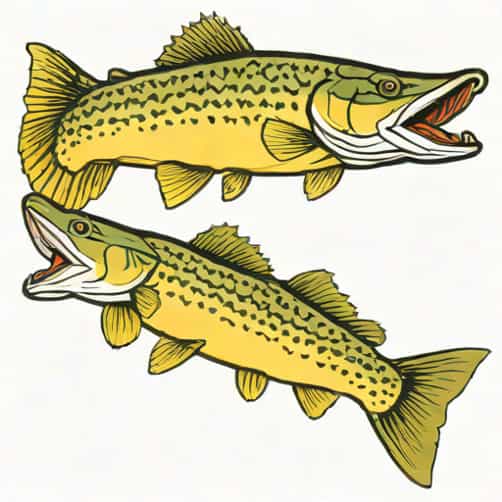
The world of freshwater fishing is filled with tales of incredible catches, but few stories capture the imagination quite like the pursuit of the largest pike ever caught. Pike, known for their predatory instincts, sharp teeth, and aggressive behavior, are among the most thrilling fish to catch. Anglers from around the globe share a fascination with these apex freshwater predators, seeking both the challenge of landing a large specimen and the bragging rights that come with it. The record-breaking catches of pike reflect not only the skill and patience of fishermen but also the unique habitats and conditions that allow these fish to grow to extraordinary sizes. Understanding the history, biology, and locations of the largest pike offers a fascinating glimpse into freshwater angling at its most extreme.
History of Record Pike Catches
Throughout history, anglers have competed to catch the biggest pike, often documenting their achievements in fishing records and competitions. Pike are native to Europe, North America, and parts of Asia, and over the centuries, various lakes and rivers have produced notable specimens. In Europe, countries like Sweden, Finland, and Russia are renowned for their large pike populations, with fishermen traveling great distances to attempt record catches. The fascination with large pike has also extended to North America, where the northern United States and Canadian provinces like Ontario and Manitoba are known for trophy-sized fish. Historical records show that pike can exceed impressive lengths and weights, with exceptional specimens often exceeding 50 pounds.
Notable Catches in Europe
Europe has long been a hotspot for massive pike. In Sweden, the lake of Arjeplog has produced some of the largest specimens ever recorded. Finnish lakes, including Lake Inari, are also known for their giant pike populations. One of the most famous European pike catches occurred in Sweden, where a fisherman reportedly landed a pike weighing over 55 pounds, stretching more than 50 inches in length. These catches highlight the ideal combination of cold, nutrient-rich waters and abundant prey that allow pike to reach such formidable sizes.
North American Records
North America is no stranger to large pike either. Canadian waters, especially in Manitoba and Ontario, have produced some of the largest recorded specimens. In the United States, states like Minnesota and Michigan offer prime pike fishing, with trophy pike often exceeding 40 pounds. In 1940, a record pike was caught in Lake of the Woods, Minnesota, weighing an astonishing 55 pounds. Anglers pursuing trophy pike in North America must navigate vast lakes, rivers, and wetlands, honing techniques to target these elusive giants effectively.
Biology of the Pike
Understanding the biology of pike is essential for appreciating why they can grow to such impressive sizes. Pike, or Esox lucius, are apex predators that inhabit freshwater environments such as lakes, rivers, and marshes. They have elongated bodies, sharp teeth, and powerful jaws, which make them efficient hunters capable of capturing a wide range of prey, including fish, amphibians, and occasionally small mammals. The growth potential of pike is influenced by factors such as water temperature, availability of prey, and habitat conditions. Trophy pike often reside in areas with abundant food sources and relatively low competition from other predators.
Growth Factors
- Nutrition Access to a plentiful supply of prey, such as perch, roach, or smaller pike, contributes to rapid growth.
- Water Conditions Clean, oxygen-rich waters with optimal temperatures support healthy development.
- Genetics Some pike populations possess genetic traits that enable larger maximum sizes.
- Predator-Free Habitats Reduced competition from other predators allows pike to dominate their environment.
Techniques for Catching Trophy Pike
Catching a record-sized pike requires skill, patience, and the right equipment. Anglers often use specialized rods, reels, and heavy-duty lines to handle the power of these predatory fish. Lures and baits that mimic natural prey are particularly effective, including spoons, spinnerbaits, and live fish. Experienced fishermen also pay attention to seasonal patterns, water temperature, and pike behavior to increase their chances of landing a trophy specimen. Winter ice fishing and summer trolling are both popular methods, with each season offering unique challenges and opportunities for anglers.
Seasonal Considerations
Spring and early summer are prime periods for targeting large pike, as they move into shallow waters to spawn and hunt actively. Autumn can also yield excellent results, with pike feeding aggressively to prepare for winter. Winter ice fishing offers an entirely different challenge, requiring anglers to drill holes and manage extremely cold conditions while still presenting the opportunity to catch a giant fish. Understanding these seasonal dynamics is crucial for anyone attempting to catch the largest pike possible.
Notable Techniques and Gear
- Using heavy-duty rods and reels capable of withstanding powerful runs.
- Employing lures such as large spoons, soft plastics, or crankbaits that imitate natural prey.
- Strategic use of live bait, including minnows and smaller fish species.
- Patience and positioning near weed beds, drop-offs, and shallow hunting areas.
- Practicing catch-and-release to preserve trophy populations.
Record Verification and Fishing Organizations
When a fisherman claims a record pike, verification by official organizations ensures authenticity. Groups such as the International Game Fish Association (IGFA) maintain records for freshwater catches, including pike. Verification typically requires certified scales, photographs, and witness testimony. These standards maintain integrity in record-keeping and allow anglers worldwide to compare achievements accurately. The verification process emphasizes the importance of ethical fishing practices and conservation, ensuring that trophy fish populations remain sustainable for future generations.
Conservation and Ethical Fishing
While pursuing giant pike is exciting, responsible angling practices are essential for preserving ecosystems. Many record-seeking anglers practice catch-and-release, handle fish carefully, and follow local regulations to protect habitats. Sustainable fishing ensures that pike populations can continue to grow to trophy sizes, supporting both ecological balance and the ongoing pursuit of record catches. Ethical practices also include respecting seasonal limits, using proper gear to minimize stress, and educating others about conservation efforts.
The quest for the largest pike ever caught combines thrill, strategy, and respect for nature. From European lakes to North American waters, anglers have documented remarkable specimens that showcase the pike’s predatory prowess and growth potential. Understanding the biology, seasonal behavior, and habitats of pike helps explain how these freshwater giants can reach astonishing sizes. Coupled with specialized gear, expert techniques, and ethical fishing practices, the pursuit of trophy pike remains one of the most exciting and rewarding challenges in angling. Whether you are an experienced fisherman or a casual enthusiast, the stories of the largest pike ever caught continue to inspire awe and appreciation for these remarkable freshwater predators, their ecosystems, and the anglers who dedicate themselves to experiencing these unforgettable catches.