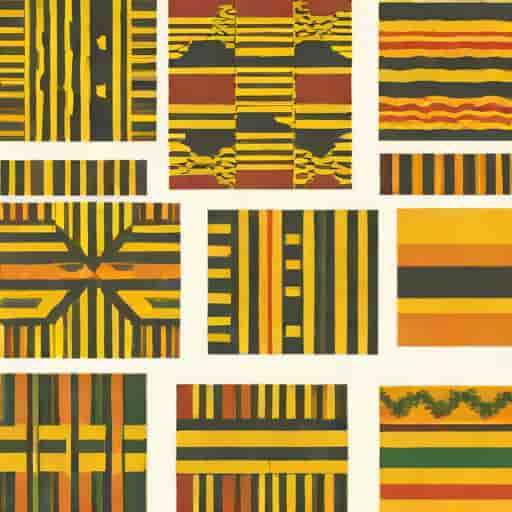
Kente cloth designs are among the most recognizable and culturally significant textiles in West Africa, especially in Ghana, where the tradition originated. Known for their vibrant colors, intricate patterns, and symbolic meanings, Kente cloths are much more than decorative fabric; they are a visual language that conveys history, values, and social status. Each design tells a story, often reflecting proverbs, historical events, or moral lessons that have been passed down through generations. The weaving of Kente cloth is a meticulous process, requiring skill, patience, and an understanding of the cultural significance behind every pattern. Today, Kente cloth designs have gained global recognition, influencing fashion, art, and cultural celebrations around the world, while continuing to serve as a symbol of identity and pride for the people of Ghana.
Historical Background of Kente Cloth
Kente cloth has its origins among the Ashanti people of Ghana, though it has spread to other Akan communities and neighboring countries over time. Historically, Kente was worn by royalty and elite members of society, often during important ceremonies, festivals, and diplomatic events. The cloth represented wealth, social standing, and cultural sophistication. Each color and pattern in Kente designs carried specific meanings, allowing the cloth to serve as a form of communication. The weaving tradition has been passed down through generations, with master weavers teaching apprentices the intricate techniques needed to create authentic Kente pieces.
Symbolism in Kente Cloth Designs
One of the most distinctive features of Kente cloth designs is the symbolic meanings embedded in each pattern. These symbols can convey personal messages, historical references, or social commentary. Some common themes include
- Wisdom and LeadershipCertain patterns symbolize intellectual strength, wisdom, and leadership qualities.
- Unity and CommunityDesigns that represent togetherness, harmony, and collective strength.
- Spirituality and MoralitySome motifs convey religious beliefs, moral lessons, or philosophical ideas.
- Historical EventsCertain Kente patterns commemorate significant battles, treaties, or cultural milestones.
Understanding these meanings requires familiarity with the cultural context and oral traditions of the people who create and wear Kente cloth. The symbolic richness adds depth and significance to every piece, making it more than just a decorative textile.
Colors and Their Meanings in Kente Designs
Colors play a crucial role in Kente cloth designs, each carrying symbolic meaning and contributing to the overall message of the cloth. Weavers select colors carefully to convey specific ideas or sentiments. Some of the most common colors and their meanings include
- BlackMaturity, spiritual energy, and mourning.
- RedPolitical and spiritual moods, blood, and sacrifice.
- Gold/YellowWealth, royalty, and high status.
- GreenGrowth, fertility, and renewal.
- BluePeacefulness, harmony, and love.
- WhitePurity, cleansing, and festive occasions.
The combination of these colors in specific arrangements adds layers of meaning to Kente cloth designs. Master weavers balance colors to ensure both aesthetic appeal and symbolic resonance, creating textiles that communicate visually and emotionally.
Traditional Patterns and Motifs
Kente cloth designs often feature recurring patterns and motifs, each with its own name and story. Some well-known traditional motifs include
- Sika FutoroRepresents wealth and status, often used in ceremonial attire for kings and chiefs.
- Emaa DaSymbolizes bravery and valor, reflecting the courage of ancestors.
- AdwinasaMeaning all motifs are used up, this pattern represents creativity and completeness.
- NkyimkyimDenotes initiative, adaptability, and resourcefulness in life.
Each motif is carefully woven into the cloth with specific color combinations, and learning these patterns is an essential part of the apprenticeship process for young weavers. The motifs also serve as cultural narratives, keeping stories, beliefs, and values alive for future generations.
Weaving Techniques in Kente Cloth
Kente cloth designs are created using a complex weaving process traditionally done on a narrow strip loom. These strips, usually a few inches wide, are woven individually and then sewn together to form a larger cloth. The weaving requires precision, skill, and an understanding of both pattern and color arrangement. Master weavers spend years perfecting their craft, learning how to balance technical skill with artistic expression. The process is labor-intensive, which contributes to the exclusivity and value of authentic Kente textiles.
Modern Adaptations
While traditional Kente cloth designs remain highly respected, contemporary artists and designers have adapted the patterns to modern fashion, home decor, and accessories. Kente-inspired clothing, scarves, bags, and even digital prints have become popular worldwide, celebrating African heritage while appealing to a global audience. These adaptations often preserve the symbolic meanings of traditional colors and motifs, creating a bridge between cultural heritage and contemporary style.
Occasions for Wearing Kente Cloth
Kente cloth is traditionally worn during special occasions, ceremonies, and celebrations. In Ghana, it is common to see Kente at weddings, funerals, festivals, and official events. Different designs and color combinations may be chosen to reflect the occasion’s mood, social context, and individual or family status. For example, bright and vibrant Kente cloths are often worn during joyous events, while darker colors and more subdued patterns may be used for mourning or solemn ceremonies.
Global Influence and Cultural Significance
In recent years, Kente cloth designs have gained recognition around the world as symbols of African heritage, pride, and identity. They are often used in academic graduation stoles, cultural festivals, and fashion collections. The global appreciation of Kente cloth highlights its artistic and cultural value, promoting awareness of West African traditions and fostering cross-cultural dialogue. The symbolic meanings, historical context, and craftsmanship continue to make Kente cloth designs deeply meaningful, both within Ghana and internationally.
Preservation of Kente Cloth Traditions
Efforts to preserve the art of Kente weaving are vital for maintaining cultural heritage. Organizations, cultural institutions, and local communities in Ghana support master weavers and provide training for younger generations. Workshops, exhibitions, and educational programs help ensure that the knowledge, techniques, and symbolic meanings of Kente cloth are passed down. These efforts preserve the rich legacy of Kente cloth while allowing for innovation and adaptation in modern contexts.
Educational Initiatives
Educational programs about Kente cloth designs often include
- Hands-on weaving workshops to teach traditional techniques
- Lectures on the cultural, historical, and symbolic significance of patterns
- Exhibitions showcasing historical and contemporary Kente cloth
- Collaborations with fashion designers to integrate Kente into modern designs
These initiatives provide a holistic understanding of Kente cloth, emphasizing both its artistic and cultural dimensions.
Kente cloth designs are far more than textiles; they are cultural treasures that convey history, identity, and artistic excellence. From the symbolic meanings of colors and motifs to the meticulous weaving techniques passed down through generations, each Kente cloth tells a story and represents the values of the Ghanaian people. As Kente cloth continues to influence global fashion and cultural expression, its traditional significance and aesthetic beauty remain at the heart of its enduring appeal. Appreciating Kente cloth designs means understanding the blend of artistry, symbolism, and heritage that makes this fabric a timeless symbol of pride, creativity, and cultural continuity.