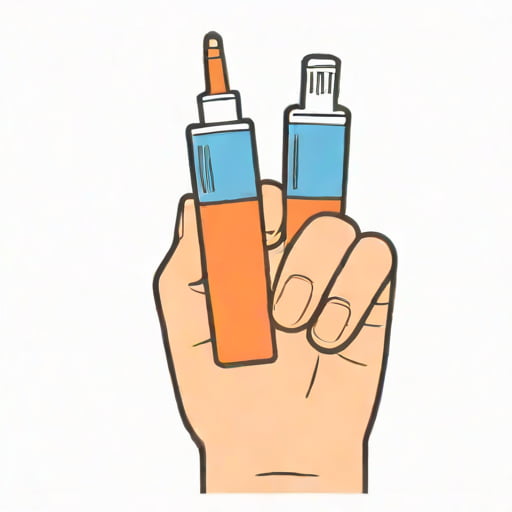
An insulin finger pricker is an essential tool for individuals managing diabetes, allowing them to monitor their blood glucose levels effectively. This device, often small and portable, is designed to safely and quickly obtain a small blood sample from the fingertip, which can then be analyzed using a glucose meter. Regular blood sugar monitoring is critical for managing diabetes, as it helps patients make informed decisions about insulin dosage, diet, and lifestyle. Insulin finger prickers are particularly important for those using insulin therapy, as precise and timely blood glucose readings can prevent dangerous complications such as hypoglycemia or hyperglycemia. Understanding the functions, types, usage, and maintenance of insulin finger prickers is essential for both new and experienced users seeking to manage their diabetes safely and effectively.
What is an Insulin Finger Pricker?
An insulin finger pricker, also known as a lancet device, is a small, handheld instrument designed to puncture the skin to draw a tiny drop of blood for glucose testing. The device is engineered to minimize pain and discomfort while ensuring a sufficient blood sample for accurate readings. Modern insulin finger prickers come in various designs, including adjustable depth settings and safety mechanisms to prevent accidental injury. The development of these devices has made blood glucose testing more convenient, less intimidating, and more accurate for individuals living with diabetes.
Components of an Insulin Finger Pricker
Most insulin finger prickers consist of several key components
- LancetA small, sharp needle used to puncture the skin.
- Device BodyThe handheld part of the pricker that houses the lancet and allows for comfortable use.
- Adjustable Depth SettingAllows users to control how deep the lancet penetrates, reducing pain and tailoring the device to individual skin thickness.
- Safety Cap or MechanismEnsures that the lancet remains covered when not in use, preventing accidental pricks.
Types of Insulin Finger Prickers
Insulin finger prickers are available in several types, each designed to meet different user preferences and needs. The choice of device can affect comfort, ease of use, and accuracy of blood glucose monitoring.
Single-Use Lancets
Single-use lancets are designed to be used once and then safely disposed of. They are convenient for travel and reduce the risk of infection or contamination. Many single-use devices come preloaded in a disposable cartridge, simplifying the testing process for users.
Adjustable or Reusable Devices
Reusable insulin finger prickers allow users to insert new lancets while keeping the main device for long-term use. These devices often feature adjustable depth settings, multiple puncture settings, and ergonomic designs to improve comfort and accuracy. Users must clean the device regularly to maintain hygiene and prevent infection.
Automatic or Spring-Loaded Prickers
Automatic or spring-loaded devices are designed to minimize pain and ease of use. When activated, the lancet quickly punctures the skin and retracts automatically, providing a consistent depth and speed. These devices are particularly helpful for individuals who require frequent blood glucose monitoring or have sensitive fingertips.
How to Use an Insulin Finger Pricker
Using an insulin finger pricker correctly is essential for obtaining accurate blood glucose readings while minimizing pain. The following steps outline the general procedure
Step-by-Step Instructions
- Wash your hands thoroughly with soap and warm water to reduce the risk of infection.
- Prepare the lancet device by inserting a new lancet and adjusting the depth setting as needed.
- Remove the safety cap from the lancet and select a site on the side of your fingertip for puncture.
- Press the device against the fingertip and activate the lancet to obtain a drop of blood.
- Collect the blood sample using a glucose test strip inserted into your meter.
- Dispose of the used lancet in a proper sharps container or follow local disposal guidelines.
Tips for Minimizing Pain
To make the process as comfortable as possible, consider rotating fingers, using the sides of the fingertips instead of the pads, and warming your hands before testing to improve blood flow. Some devices also allow users to adjust the puncture depth, which can significantly reduce discomfort while still providing an adequate blood sample.
Maintenance and Safety Considerations
Proper maintenance and adherence to safety protocols are critical for insulin finger prickers. These devices involve contact with blood, so hygiene and careful handling are essential to prevent infections and ensure accurate readings.
Cleaning and Care
- Clean the device body regularly with a damp cloth and mild disinfectant.
- Never reuse lancets, as this increases the risk of infection and reduces effectiveness.
- Store the device in a cool, dry place to prevent damage to the mechanism or lancet.
Safe Disposal
Used lancets should always be disposed of in a designated sharps container to prevent accidental injury or contamination. Many pharmacies and clinics offer disposal programs for used lancets, making safe disposal accessible and convenient.
Benefits of Using an Insulin Finger Pricker
Insulin finger prickers offer several advantages for individuals managing diabetes
- Accurate Blood Glucose MonitoringProvides reliable readings to guide insulin dosage and lifestyle choices.
- ConvenienceCompact, portable, and easy to use anywhere, enabling frequent monitoring.
- Improved Diabetes ManagementFrequent testing helps prevent hypoglycemia and hyperglycemia by allowing timely adjustments to insulin, diet, or exercise.
- Reduced DiscomfortModern devices are designed to minimize pain and anxiety associated with finger pricks.
Choosing the Right Insulin Finger Pricker
Selecting the most suitable insulin finger pricker depends on several factors, including frequency of testing, sensitivity to pain, convenience, and budget. Consulting with a healthcare professional can help determine the best device based on individual needs. Factors to consider include
- Adjustable depth settings for comfort
- Ease of use and ergonomic design
- Compatibility with different lancet sizes or brands
- Availability of replacement lancets
- Price and long-term cost of maintenance
An insulin finger pricker is an indispensable tool for individuals managing diabetes, allowing them to monitor blood glucose levels accurately and safely. With various types, including single-use, reusable, and automatic devices, users can choose the option that best suits their needs. Correct usage, maintenance, and safe disposal are critical to maximize benefits and minimize risks. By incorporating insulin finger prickers into daily routines, individuals can manage their diabetes more effectively, make informed decisions regarding insulin and lifestyle adjustments, and maintain overall health. These devices empower users with precise control over their condition, enhancing both safety and quality of life for those living with diabetes.