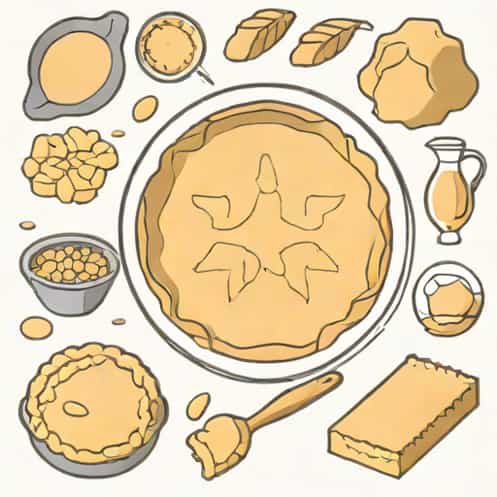
Gluten-free baking has become increasingly popular as more people discover the benefits of avoiding gluten, whether for medical reasons or personal preference. One of the most versatile and essential recipes in baking is shortcrust pastry. Making gluten-free shortcrust pastry can seem challenging at first, as gluten gives traditional pastry its structure and elasticity. However, with the right ingredients, techniques, and attention to detail, you can achieve a pastry that is crisp, buttery, and perfect for both sweet and savory dishes. Understanding the process and how to handle gluten-free dough is key to successful baking results.
Understanding Gluten-Free Shortcrust Pastry
Shortcrust pastry is characterized by its crumbly, tender texture. Traditional shortcrust relies on wheat flour, which contains gluten, to provide elasticity and structure. In gluten-free versions, alternative flours such as rice flour, almond flour, or gluten-free all-purpose blends are used. These flours lack gluten, so achieving the right texture requires adjustments in fat content, binding agents, and handling techniques.
Key Ingredients
The main ingredients in gluten-free shortcrust pastry include
- Gluten-free flour blendUse a high-quality all-purpose gluten-free flour or a combination of rice flour, potato starch, and tapioca flour to mimic the texture of wheat flour.
- FatButter is commonly used for its flavor and texture. You can also use margarine or a combination of butter and vegetable shortening for extra flakiness.
- Binding agentXanthan gum or guar gum is often added to provide structure and help the dough hold together.
- LiquidCold water or milk is used sparingly to bring the dough together without making it sticky.
- Optional ingredientsSugar for sweet pastries, salt for flavor, or egg yolks to enrich the dough and improve pliability.
Preparing the Ingredients
Preparation is crucial for gluten-free shortcrust pastry. Keep ingredients cold to prevent the fat from melting prematurely, which can result in greasy or tough pastry. Measure ingredients accurately, and sift flour blends to remove lumps and ensure even distribution of binding agents.
Choosing the Right Flour Blend
Select a gluten-free flour blend designed for baking. Blends containing rice flour, potato starch, and tapioca flour often produce the best results. Avoid using single flours alone, as they may not provide the proper texture or structure.
Cutting in the Fat
Cutting fat into the flour is essential for creating a crumbly, short texture. Use a pastry cutter, two knives, or your fingertips to combine cold butter with the flour mixture until it resembles coarse breadcrumbs. The pieces of fat create pockets in the dough, resulting in a light, flaky pastry.
Mixing the Dough
Mixing gluten-free dough requires a gentle approach to avoid overworking, which can make the pastry tough. Slowly add cold liquid to the flour and fat mixture, just enough to bring the dough together. The dough should be slightly crumbly but able to hold its shape when pressed.
Using Binding Agents
Gluten-free flours lack the elasticity that gluten provides. Adding a small amount of xanthan gum or guar gum helps hold the dough together and prevents cracking during rolling and baking. Typically, 1 teaspoon of xanthan gum per 250 grams of flour is sufficient for shortcrust pastry.
Chilling the Dough
After mixing, wrap the dough in cling film and refrigerate for at least 30 minutes. Chilling firms the fat, making the dough easier to roll and handle. It also helps prevent shrinking during baking, which is common in gluten-free pastries.
Rolling and Shaping the Pastry
Rolling gluten-free dough requires patience and careful handling. Lightly flour the surface and rolling pin with gluten-free flour to prevent sticking. Roll the dough evenly, turning it occasionally to maintain a circular shape.
Preventing Cracks
Gluten-free dough is more prone to cracking due to the absence of gluten. If cracks appear, gently press them together with your fingers or patch with small pieces of extra dough. Using parchment paper to roll the dough can also help prevent sticking and tearing.
Transferring to the Tart or Pie Pan
Carefully lift the rolled pastry and place it into a prepared pan. Press the dough gently into the edges, ensuring an even thickness. Trim excess dough around the edges, and if necessary, patch any gaps or cracks with leftover dough.
Baking the Pastry
Baking gluten-free shortcrust pastry requires attention to temperature and timing to achieve a crisp, golden crust. Preheat the oven to the recommended temperature, typically around 180°C (350°F) for sweet pastries or 200°C (390°F) for savory pies.
Blind Baking
Blind baking is often recommended for pies and tarts to prevent soggy bottoms. Line the pastry with parchment paper and fill with baking beans or rice. Bake for 15-20 minutes, remove the weights, and bake for an additional 5-10 minutes until golden. For some gluten-free recipes, partial blind baking is sufficient if the filling will bake further in the oven.
Tips for Even Baking
- Rotate the pan halfway through baking to ensure uniform browning.
- Use a light touch when pricking the base with a fork to prevent air bubbles.
- Avoid overbaking, which can make gluten-free pastry too dry or crumbly.
Common Challenges and Solutions
Baking gluten-free shortcrust pastry can present challenges, but understanding common issues helps achieve consistent results.
Dough Too Sticky
Add a small amount of extra flour, a tablespoon at a time, until it reaches a workable consistency. Always keep flour on hand for dusting surfaces and rolling pins.
Dough Cracks Easily
Ensure the dough has enough fat and is adequately chilled. Use a small amount of water or egg yolk to help bind dry areas. Handle the dough gently and avoid overworking it.
Shrinking During Baking
Chill the dough thoroughly before baking, and avoid stretching it to fit the pan. Use blind baking to help maintain the shape and prevent shrinkage.
Serving and Storing Gluten-Free Pastry
Gluten-free shortcrust pastry is versatile and can be used for quiches, pies, tarts, and savory pies. Once baked, it can be enjoyed immediately or stored for later use.
Storage Tips
- Unbaked dough can be refrigerated for up to 48 hours or frozen for 1-2 months.
- Baked pastry should be stored in an airtight container at room temperature for up to 2 days.
- For longer storage, freeze baked pastry and reheat in the oven before serving.
Making gluten-free shortcrust pastry is achievable with the right ingredients, techniques, and patience. By understanding the role of gluten alternatives, cutting fat correctly, using binding agents, and chilling the dough, you can create a pastry that is both tender and flavorful. Rolling, shaping, and blind baking require careful handling, but with practice, you can achieve results comparable to traditional wheat-based pastry. Gluten-free shortcrust pastry is perfect for a wide range of sweet and savory dishes, offering a delicious solution for those avoiding gluten while maintaining the enjoyment of homemade baking.