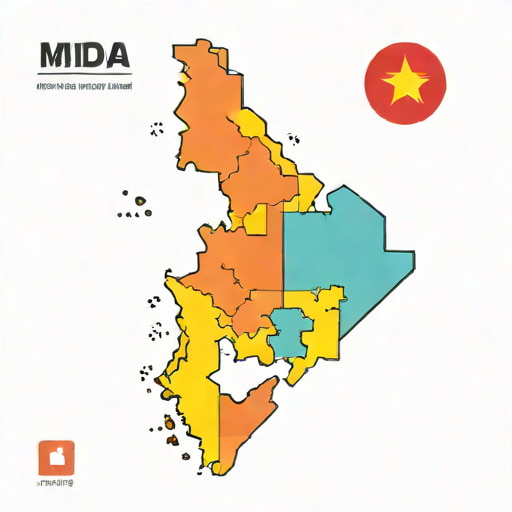
Mindanao, the second-largest island in the Philippines, is not only rich in natural resources and cultural diversity but also has a complex political and administrative structure. Understanding how many provinces exist in Mindanao is essential for those interested in Philippine geography, governance, and regional planning. The island is divided into several regions, each with its own set of provinces, cities, and municipalities, reflecting the Philippines’ decentralized system of government. Mindanao is known for its varied landscapes, from mountains and plateaus to fertile plains and coastal areas, which influence the economic, social, and political organization of its provinces. Knowing the number of provinces and their characteristics offers insights into the region’s demographics, governance, and cultural identity, making it a significant topic for researchers, travelers, and policymakers alike.
Administrative Regions of Mindanao
Mindanao is divided into six administrative regions, each serving as a political and economic unit for governance and development. These regions include the Zamboanga Peninsula, Northern Mindanao, Davao Region, Soccsksargen, Caraga, and the Bangsamoro Autonomous Region in Muslim Mindanao (BARMM). Each region comprises several provinces, which function as primary local government units responsible for local administration, development planning, and public service delivery. The regions help organize governance on the island, allowing for efficient coordination of policies, programs, and projects while respecting local cultures and traditions.
Provinces in Zamboanga Peninsula
The Zamboanga Peninsula, also known as Region IX, is located in the western part of Mindanao. It includes three provinces
- Zamboanga del Norte
- Zamboanga del Sur
- Zamboanga Sibugay
These provinces are known for their vibrant culture, beautiful coastlines, and agricultural productivity. The cities within these provinces, such as Dipolog and Zamboanga City, serve as economic and administrative hubs, facilitating trade, education, and governance.
Provinces in Northern Mindanao
Northern Mindanao, also called Region X, is situated in the north-central part of Mindanao. It comprises five provinces
- Misamis Oriental
- Misamis Occidental
- Lanao del Norte
- Bukidnon
- Camiguin
This region is notable for its agricultural lands, mineral resources, and eco-tourism destinations, such as the volcanic landscapes of Camiguin and the highlands of Bukidnon. Each province plays a key role in contributing to the region’s economy and cultural heritage.
Provinces in the Davao Region
The Davao Region, or Region XI, is located in southeastern Mindanao and consists of five provinces
- Davao del Norte
- Davao del Sur
- Davao Oriental
- Davao de Oro
- Davao Occidental
These provinces are central to Mindanao’s economic growth due to their agricultural output, industrial development, and tourism opportunities. Davao City, the regional center, is a major hub for trade, governance, and education, reflecting the importance of these provinces in the national context.
Provinces in Soccsksargen
Soccsksargen, or Region XII, is located in south-central Mindanao and includes four provinces
- Cotabato
- Sultan Kudarat
- South Cotabato
- Sarangani
Known for their agricultural production, particularly rice, corn, and pineapple, these provinces also host diverse indigenous communities. Soccsksargen is a region that blends natural resources with cultural heritage, making it a vital area for both economic and social studies.
Provinces in Caraga
Caraga, or Region XIII, is situated in northeastern Mindanao and comprises five provinces
- Agusan del Norte
- Agusan del Sur
- Surigao del Norte
- Surigao del Sur
- Dinagat Islands
This region is known for its mining industry, lush forests, and pristine beaches. Caraga’s provinces contribute significantly to Mindanao’s economy while preserving the natural and cultural heritage of the island.
Provinces in the Bangsamoro Autonomous Region in Muslim Mindanao (BARMM)
BARMM, formerly known as the Autonomous Region in Muslim Mindanao (ARMM), is a unique administrative region that enjoys a higher degree of autonomy. It consists of five provinces
- Basilan
- Lanao del Sur
- Maguindanao
- Sulu
- Tawi-Tawi
BARMM is culturally and historically significant, home to various Muslim communities with distinct traditions, languages, and governance structures. The provinces in this region are crucial for understanding Mindanao’s cultural diversity and political landscape.
Summary of Provinces in Mindanao
Adding up the provinces in each region, Mindanao has a total of 27 provinces
- Zamboanga Peninsula 3 provinces
- Northern Mindanao 5 provinces
- Davao Region 5 provinces
- Soccsksargen 4 provinces
- Caraga 5 provinces
- BARMM 5 provinces
This administrative structure facilitates governance, economic planning, and cultural preservation across Mindanao. Each province has its own local government, headed by a governor, which ensures that regional policies are tailored to the unique needs and priorities of local communities.
Significance of Knowing the Number of Provinces
Understanding how many provinces are in Mindanao is not merely a matter of geography; it has implications for governance, resource allocation, and socio-economic planning. Policymakers, researchers, and development organizations rely on provincial divisions to implement programs effectively. Additionally, tourists, educators, and students benefit from knowing the administrative structure when exploring Mindanao’s diverse cultures, natural attractions, and economic hubs. The knowledge of provinces provides context for regional identity and inter-provincial relationships, highlighting the interconnectedness of communities within the island.
Mindanao, with its 27 provinces, represents a rich tapestry of culture, history, and natural beauty. Each province contributes to the island’s diversity, economic development, and social fabric. From the bustling cities of Davao and Cagayan de Oro to the serene landscapes of Camiguin and Sarangani, the provinces of Mindanao showcase the island’s complexity and vitality. Understanding the number and distribution of provinces is essential for anyone interested in Philippine geography, governance, and regional development. The administrative divisions not only facilitate effective governance but also reflect the cultural, economic, and historical uniqueness of Mindanao, making it a region of enduring interest and significance.