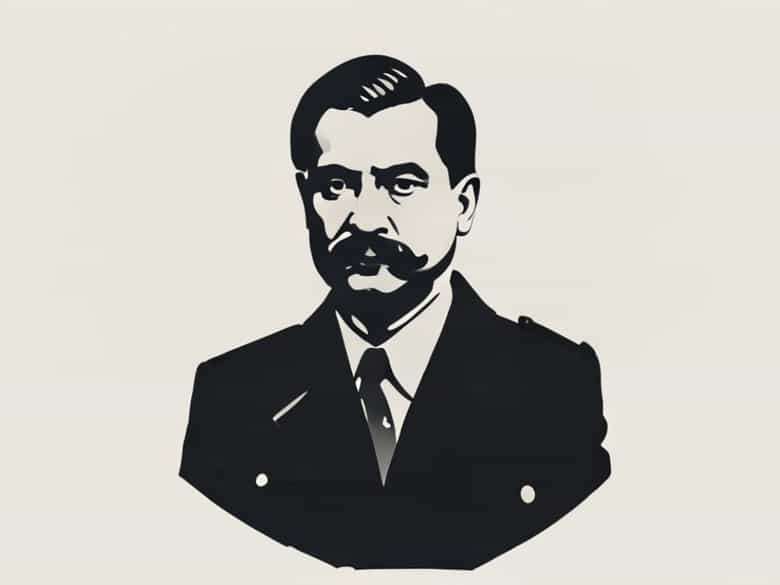
Joseph Stalin remains one of the most controversial and infamous figures in modern history. As the leader of the Soviet Union from the mid-1920s until his death in 1953, Stalin oversaw a period of rapid industrialization, political consolidation, and social transformation. However, his rule is also marked by extreme repression, widespread purges, and forced labor that resulted in the deaths of millions of people. Understanding exactly how many people Stalin killed is a complex task, as historians rely on a combination of archival records, demographic studies, and eyewitness accounts to estimate the toll of his policies. This topic continues to spark debate and research, as the numbers reflect not only the human cost of totalitarian rule but also the historical impact of his leadership on the Soviet Union and the world.
The Political Climate of Stalin’s Era
To understand the scale of deaths under Stalin, it is important to consider the political climate of the Soviet Union during his leadership. Stalin consolidated power through a combination of political maneuvering, purges, and strict control over the Communist Party. Anyone perceived as a threat, whether party officials, military leaders, or ordinary citizens, could fall victim to arrest, imprisonment, or execution. This environment of fear and surveillance contributed to widespread repression and is a key factor in estimating the number of deaths caused by his regime.
The Great Purge
One of the most notorious periods of Stalin’s rule was the Great Purge, also known as the Great Terror, which occurred between 1936 and 1938. During this time, Stalin targeted perceived enemies within the Communist Party, government, and military, as well as ordinary citizens accused of counter-revolutionary activities. Estimates of deaths during the Great Purge vary, but historians suggest that hundreds of thousands were executed, while millions more were imprisoned in labor camps known as gulags. The Purge not only eliminated political rivals but also instilled fear and obedience throughout Soviet society.
Forced Labor and the Gulag System
Another significant cause of death under Stalin was the forced labor system, known as the gulag. The gulags were labor camps scattered across the Soviet Union, often in remote and harsh regions, where prisoners were subjected to grueling work, poor nutrition, and extreme weather. Millions of people were sent to these camps for political reasons, minor offenses, or simply being perceived as a threat. The mortality rate in the gulags was extremely high, with estimates ranging from one to two million deaths over the course of Stalin’s rule. These deaths were not only due to executions but also starvation, disease, and exhaustion.
The Holodomor and Famine
In addition to political purges and labor camps, Stalin’s policies contributed to widespread famine, particularly in Ukraine. The Holodomor, a man-made famine in 1932-1933, resulted from forced collectivization of agriculture and grain requisitioning policies. Millions of peasants were affected, and estimates suggest that between 3 and 7 million people died as a direct result. While some debate exists about whether the famine was deliberately engineered, it is widely acknowledged that Stalin’s policies directly contributed to the mass deaths of civilians, adding to the overall toll of his leadership.
World War II and Stalin’s Policies
Stalin’s rule also encompassed the period of World War II, during which his policies and military decisions contributed to further loss of life. While the Soviet Union played a crucial role in defeating Nazi Germany, millions of Soviet soldiers and civilians perished due to wartime strategies, harsh conditions, and Stalin’s harsh treatment of prisoners of war and perceived traitors. Historians estimate that millions more were executed or imprisoned during this period under accusations of collaboration with the enemy or sabotage, increasing the total death toll under Stalin’s leadership.
Estimating the Total Death Toll
Calculating the exact number of people killed by Stalin is challenging due to incomplete records, the secretive nature of the Soviet government, and differing historical interpretations. Estimates from scholars vary widely, with most figures ranging between 6 million and 20 million deaths. This includes deaths from political purges, forced labor camps, man-made famines, and wartime policies. Some historians argue that the number could be even higher if indirect consequences, such as displacement and long-term starvation, are considered. Despite the variation in estimates, it is clear that Stalin’s policies caused an enormous human cost, making him one of the deadliest leaders of the 20th century.
Breakdown of Deaths Under Stalin
Historians often categorize the deaths under Stalin’s rule into several main groups
- Political PurgesExecutions and imprisonment during the Great Purge, estimated at 1-1.5 million deaths.
- Gulag SystemForced labor camps causing death from harsh conditions, approximately 1-2 million deaths.
- FamineParticularly the Holodomor in Ukraine, with estimates of 3-7 million deaths.
- Wartime PoliciesMilitary decisions, deportations, and repressions during World War II, resulting in millions of additional deaths.
These categories highlight the multiple mechanisms through which Stalin’s policies led to widespread mortality, encompassing both direct killings and indirect consequences of political and economic policies.
Historical Debate and Controversy
While there is general consensus that Stalin was responsible for millions of deaths, the exact figures remain a subject of scholarly debate. Some researchers argue for lower estimates based on archival records, while others suggest higher numbers when considering indirect deaths caused by famine and forced migration. Despite these debates, the overwhelming evidence points to a catastrophic human toll, and Stalin’s legacy is often defined by the scale of suffering experienced during his rule.
Legacy of Stalin’s Rule
The human cost of Stalin’s leadership has left a lasting impact on Russian and global history. The sheer number of deaths, combined with the atmosphere of fear and repression, shaped the Soviet Union for decades. The memory of these events continues to influence historical scholarship, education, and public discourse. Understanding how many people Stalin killed provides insight not only into the nature of his dictatorship but also into the consequences of absolute power and authoritarian rule.
estimating how many people Stalin killed is complex, but historians agree that the total ranges between 6 million and 20 million, accounting for political purges, forced labor camps, famine, and wartime policies. These numbers illustrate the devastating impact of Stalin’s rule on the Soviet population and the world. While debate continues about precise figures, the consensus remains that his leadership caused immense human suffering. Recognizing the scale of these deaths helps us understand the consequences of unchecked political power and serves as a sobering reminder of the need for accountability and human rights protections in any society.