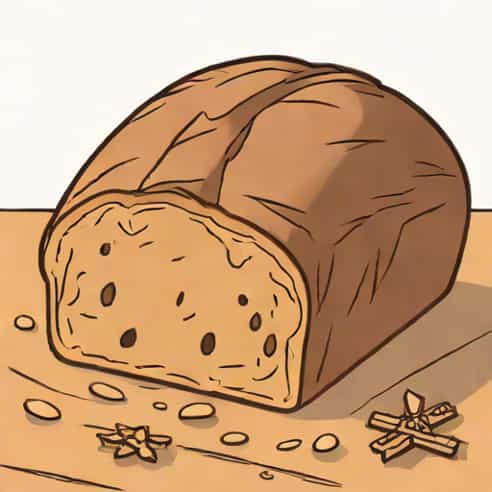
Frozen pumpernickel bread dough has become an increasingly popular choice for home bakers and restaurants seeking convenience without sacrificing quality. This type of dough offers the distinctive flavor, rich color, and dense texture of traditional pumpernickel bread while allowing for flexible preparation and storage. Made from a mixture of rye flour, wheat flour, molasses, and sometimes coffee or cocoa for added depth, pumpernickel bread is celebrated for its slightly sweet, earthy taste and hearty composition. Freezing the dough allows bakers to enjoy fresh-baked pumpernickel bread at any time, reducing preparation time while maintaining the authentic flavor and texture that make this bread unique.
What is Pumpernickel Bread?
Pumpernickel bread is a traditional German-style rye bread known for its deep brown color, dense texture, and slightly sweet, tangy flavor. Unlike white or wheat bread, pumpernickel uses a higher proportion of rye flour, which contributes to its signature taste and heavy, moist crumb. The bread often includes molasses, cocoa, or coffee to enhance color and flavor. Originating from the Westphalia region of Germany, traditional pumpernickel is slowly baked at low temperatures, which allows natural sugars in the rye to caramelize, creating its characteristic dark hue and rich taste.
Ingredients in Frozen Pumpernickel Bread Dough
Frozen pumpernickel bread dough typically contains ingredients similar to traditional pumpernickel bread, ensuring an authentic flavor profile once baked. Common ingredients include
- Rye flourThe primary ingredient providing structure and earthy flavor.
- Wheat flourAdded for gluten development, improving texture and elasticity.
- MolassesAdds natural sweetness, moisture, and color.
- YeastResponsible for leavening and helping the dough rise.
- SaltEnhances flavor and controls yeast activity.
- Optional ingredientsCocoa powder, coffee, or caraway seeds for additional flavor complexity.
Benefits of Using Frozen Pumpernickel Bread Dough
Frozen pumpernickel bread dough offers several advantages for both home bakers and professional kitchens. By using pre-made dough, bakers can reduce preparation time, avoid the need for precise ingredient measurement, and enjoy freshly baked bread with minimal effort. Additionally, freezing the dough extends shelf life, reducing waste and providing flexibility for meal planning. Frozen dough also allows bakers to experiment with shapes, sizes, and recipes without starting from scratch, ensuring that pumpernickel bread can be conveniently baked as needed.
Convenience and Time-Saving
One of the primary benefits of frozen pumpernickel bread dough is its convenience. The dough can be stored in the freezer for weeks or even months, making it ideal for households, bakeries, or restaurants that require bread on demand. By thawing and baking the dough, you can have fresh, warm bread without extensive preparation or proofing times. This is particularly useful during busy schedules or when hosting events, allowing for consistent results without compromising quality.
How to Use Frozen Pumpernickel Bread Dough
Using frozen pumpernickel bread dough is simple, but there are important steps to ensure optimal results. Follow these general steps for best outcomes
- ThawingRemove the dough from the freezer and let it thaw in the refrigerator for several hours or overnight to maintain texture and flavor.
- ShapingOnce thawed, gently shape the dough into desired forms such as loaves, rolls, or buns, being careful not to deflate it.
- ProofingAllow the dough to rise at room temperature until it doubles in size, typically one to two hours depending on room conditions.
- BakingPreheat the oven according to package instructions or recipe guidelines, usually between 350°F to 375°F (175°C to 190°C), and bake until the crust is firm and deep brown.
- CoolingLet the bread cool on a wire rack before slicing to retain moisture and texture.
Tips for Best Results
To get the most from frozen pumpernickel bread dough, consider these tips
- Do not rush the thawing process; gradual thawing in the refrigerator preserves flavor and texture.
- Brush the top of the dough with water, milk, or an egg wash before baking to achieve a glossy, attractive crust.
- Score the dough lightly with a sharp knife to allow proper expansion and create decorative patterns.
- Use a baking stone or preheated baking sheet to improve heat distribution and crust formation.
- Experiment with toppings like sesame seeds, sunflower seeds, or oats to add texture and visual appeal.
Nutritional Value of Pumpernickel Bread
Pumpernickel bread is often considered more nutritious than white bread due to its higher rye content and dense structure. It typically contains more fiber, which promotes digestive health and helps maintain stable blood sugar levels. The bread also contains essential minerals such as magnesium, iron, and manganese. While frozen dough may contain preservatives to maintain quality during storage, the final baked bread retains the key nutritional benefits, making it a healthier alternative to highly processed white bread options. Additionally, the inclusion of seeds or whole grains can further enhance nutrient density.
Applications in Meals
Frozen pumpernickel bread dough can be used to create a variety of meals and recipes. Some popular applications include
- Traditional pumpernickel loaves, perfect for sandwiches or toast.
- Mini rolls for breakfast, brunch, or dinner rolls.
- Hearty bread bowls for soups or stews.
- Open-faced sandwiches with smoked salmon, cream cheese, or vegetables.
- Creative fusion recipes, such as pumpernickel pizza bases or stuffed breads.
Storage and Shelf Life
Frozen pumpernickel bread dough has a long shelf life, typically several months, if kept in an airtight container or vacuum-sealed bag. Proper storage prevents freezer burn and maintains the dough’s texture and flavor. Once thawed, the dough should be used within a few days for best results, and any leftover baked bread can be frozen again or stored in a sealed container for a few days at room temperature. Proper handling ensures consistent quality and reduces waste.
Why Choose Frozen Dough?
Frozen pumpernickel bread dough is ideal for anyone seeking convenience without compromising flavor. It allows for flexibility in meal planning, consistent baking results, and minimal preparation effort. Whether for home kitchens, bakeries, or restaurants, frozen dough provides an easy solution for producing high-quality bread on demand. The authentic taste, rich texture, and versatility of pumpernickel bread make it a preferred choice for those who appreciate traditional flavors but need modern convenience.
Frozen pumpernickel bread dough combines the convenience of pre-prepared dough with the distinctive flavor and texture of traditional pumpernickel bread. Made from rye and wheat flour, molasses, and aromatic ingredients, it offers a rich, dense, and slightly sweet bread that can be baked fresh whenever needed. The benefits of frozen dough include reduced preparation time, extended shelf life, and consistent results, making it suitable for home bakers, restaurants, and commercial kitchens alike. By understanding how to properly thaw, shape, proof, and bake frozen pumpernickel dough, anyone can enjoy fresh, delicious bread without the time-consuming steps of traditional bread-making. Its nutritional value, versatility in meals, and convenience make frozen pumpernickel bread dough an excellent choice for modern kitchens seeking authentic flavor and quality with minimal effort.