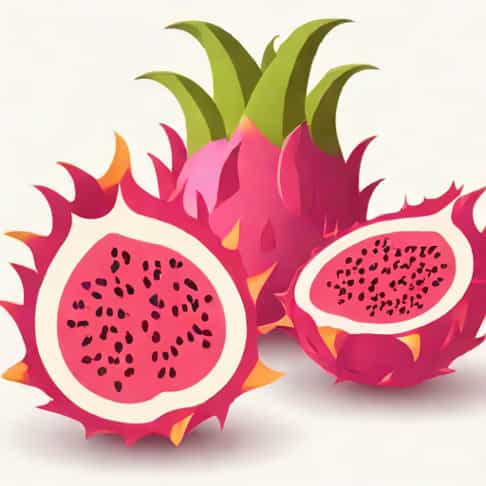
Dragon fruit, also known as pitaya, is a vibrant and exotic fruit that has grown in popularity around the world due to its striking appearance and unique flavor. Native to Central and South America but widely cultivated in Southeast Asia, dragon fruit has a bright pink or yellow skin with green scales and a white or red flesh speckled with tiny black seeds. Many people wonder how dragon fruit tastes like before trying it for the first time, as its appearance is unlike any other fruit commonly found in grocery stores. Its flavor profile is subtle, refreshing, and mildly sweet, making it a versatile fruit for snacks, smoothies, desserts, and even savory dishes.
The Flavor Profile of Dragon Fruit
Dragon fruit has a mild, subtly sweet taste that is often compared to a combination of kiwi and pear. Its flavor is not overwhelmingly strong, which makes it appealing to those who prefer less intense sweetness. Depending on the variety, the taste may vary slightly
White-Fleshed Dragon Fruit
The most common variety has white flesh with tiny black seeds. The taste is light and refreshing, slightly sweet with a hint of tartness. Some describe it as having a watery, crisp texture, similar to a melon or cucumber but with a faint tropical sweetness. It is ideal for people who enjoy fruits with a gentle, clean flavor that is not overpowering.
Red-Fleshed Dragon Fruit
The red or magenta-fleshed varieties tend to have a slightly stronger flavor than the white variety. The sweetness is more pronounced, and the fruit may have a richer, more tropical taste. Some people detect subtle berry-like notes, making it slightly tangier but still mild. This variety is often preferred for smoothies, fruit salads, and desserts because of its vibrant color and more noticeable flavor.
Texture and Mouthfeel
Beyond flavor, the texture of dragon fruit plays a key role in the eating experience. The flesh is soft yet firm enough to hold its shape, similar to a ripe kiwi or watermelon. The tiny black seeds are edible and provide a slight crunch, adding an interesting contrast to the smooth, juicy flesh. This combination of juicy, soft flesh and small crunchy seeds gives dragon fruit a unique mouthfeel that is both refreshing and satisfying.
Refreshing and Hydrating
Dragon fruit has a high water content, which makes it naturally hydrating. Its watery texture enhances the feeling of refreshment, especially when eaten chilled on a hot day. This quality makes it popular in tropical climates and a great addition to fruit salads, juices, and smoothies.
Common Descriptions of Dragon Fruit Taste
People often use familiar fruits to describe the taste of dragon fruit. Some common comparisons include
- KiwiThe subtle sweetness and tiny black seeds are reminiscent of kiwi, although dragon fruit is milder.
- PearThe soft, juicy texture and gentle flavor are often likened to a pear.
- MelonThe watery, refreshing quality makes it similar to melon, especially in the white-fleshed variety.
- CucumberThe light, crisp texture and subtle flavor can be compared to cucumber, particularly when eaten cold.
While dragon fruit shares similarities with these fruits, it maintains a distinct tropical character that sets it apart. Its flavor is delicate and not overpowering, making it easy to incorporate into various recipes without dominating other ingredients.
How Sweet is Dragon Fruit?
Dragon fruit is mildly sweet, but the sweetness level can vary depending on ripeness and variety. A perfectly ripe dragon fruit will have a gentle sugariness that is balanced by a subtle tang. Overripe fruit can be overly soft and slightly bland, while underripe fruit may taste firmer and less sweet. The sweetness is enough to enjoy the fruit on its own but also versatile enough to pair with yogurt, honey, or citrus for enhanced flavor.
Pairing with Other Flavors
Because of its mild taste, dragon fruit pairs well with other fruits, herbs, and flavorings. Popular combinations include
- Mixed tropical fruits like mango, pineapple, and papaya
- Citrus fruits such as orange or lime for a tangy contrast
- Mint or basil for a refreshing twist
- Yogurt or coconut milk for creamy desserts or smoothies
These pairings enhance the subtle flavor of dragon fruit without overwhelming its delicate taste.
Dragon Fruit in Culinary Uses
Dragon fruit’s mild and refreshing flavor makes it a versatile ingredient in the kitchen. It is commonly eaten fresh, scooped out with a spoon or cubed in fruit salads. Its vibrant color makes it visually appealing for presentation in dishes. Beyond fresh consumption, dragon fruit is used in smoothies, juices, sorbets, and desserts like parfaits and cakes. Its subtle sweetness allows it to complement both sweet and savory dishes, such as salsas or salads with citrus dressing.
Cooking and Baking Considerations
Dragon fruit is best eaten raw or minimally processed to preserve its delicate flavor. Cooking for long periods can diminish its sweetness and alter the texture. Blending, juicing, or adding to cold dishes helps retain its refreshing taste and vibrant color.
Health Benefits and Taste Experience
While the taste of dragon fruit is mild and enjoyable, it also comes with health benefits. It is rich in antioxidants, vitamins, and minerals, and the fiber content supports digestive health. Eating dragon fruit can be both a sensory and nutritional experience, combining a subtle, sweet taste with the benefits of a nutrient-rich tropical fruit.
Tips for Choosing the Best Dragon Fruit
To enjoy the optimal taste experience, selecting ripe dragon fruit is important. Tips include
- Choose fruit that is bright in color with no major blemishes.
- The skin should yield slightly to gentle pressure, indicating ripeness.
- Avoid fruit that is overly soft or has dark spots, as it may be overripe.
- Smell the fruit; ripe dragon fruit has a mild, sweet aroma.
Proper selection ensures the fruit tastes sweet, juicy, and refreshing rather than bland or mushy.
Dragon fruit tastes mildly sweet, refreshing, and slightly tropical, with a subtle flavor reminiscent of kiwi, pear, or melon. Its soft, juicy texture combined with tiny edible seeds gives a unique mouthfeel, and the flavor varies slightly between white-fleshed and red-fleshed varieties. Dragon fruit’s mild sweetness and versatility make it ideal for eating fresh, blending into smoothies, or adding to fruit salads and desserts. Choosing ripe fruit and pairing it with complementary flavors can enhance its natural taste, offering both a delightful culinary experience and nutritional benefits. For those curious about exotic fruits, dragon fruit provides a gentle, refreshing introduction to tropical flavors that are easy to enjoy and incorporate into daily meals.