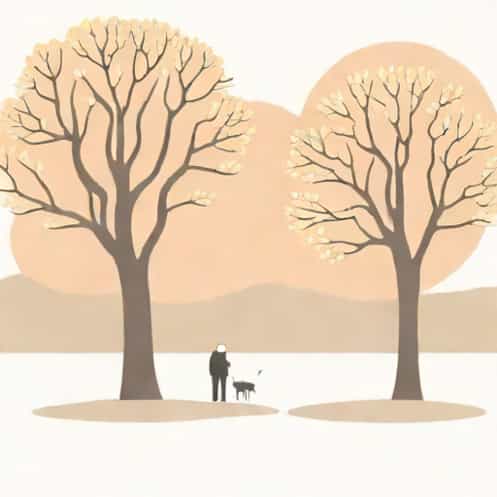
A Hazy Shade of Winter by Simon and Garfunkel is one of those songs that feels simple on the surface yet carries a deep emotional and poetic weight. Released during a time of cultural change and uncertainty, the song captures a reflective mood that still resonates decades later. Its haunting lyrics, brisk rhythm, and symbolic language invite listeners to pause and think about time, ambition, and the quiet passing of life.
The Background of the Song
Simon and Garfunkel released A Hazy Shade of Winter in 1966 as a single, and it was later included in the albumBookends. Written by Paul Simon, the song emerged during a period when folk music was evolving and blending with rock influences.
The mid-1960s were marked by social change, political tension, and generational questioning. This environment shaped the introspective tone of many songs from that era, including this one.
Musical Style and Sound
Unlike many gentle folk ballads associated with Simon and Garfunkel, A Hazy Shade of Winter stands out for its driving rhythm and electric guitar. The fast tempo contrasts with the reflective and somewhat somber lyrics.
This combination creates a sense of urgency, as if time is moving quickly while the narrator struggles to keep up.
Instrumentation and Arrangement
The song features a strong guitar riff, tight percussion, and layered harmonies. Art Garfunkel’s distinctive voice blends with Paul Simon’s, creating a sound that is both crisp and emotionally distant.
The arrangement reinforces the theme of fleeting time and restless motion.
Lyrical Themes and Meaning
The lyrics of A Hazy Shade of Winter are rich with imagery and symbolism. Rather than telling a clear story, the song presents snapshots of thoughts and feelings connected to aging, regret, and reflection.
Winter is often used as a metaphor for the later stages of life, suggesting loss, coldness, or the end of vitality.
Time and Passing Seasons
One of the strongest themes in the song is the passage of time. References to seasons, particularly winter, highlight how quickly life moves forward.
The hazy quality suggests confusion or blurred memories, as if the narrator is looking back and realizing how much has already passed.
Symbolism in the Lyrics
Paul Simon’s songwriting often relies on subtle symbolism, and this song is no exception. Lines about books, poetry, and unfinished ambitions hint at unrealized dreams.
The lyrics suggest a person who once had plans and ideals but now feels disconnected from them.
Common Symbolic Elements
- Winter as a symbol of aging or decline
- Books and poetry representing knowledge and dreams
- Darkness and cold suggesting isolation
Emotional Tone of the Song
Emotionally, A Hazy Shade of Winter feels restrained yet heavy. There is no dramatic outburst of sadness, but rather a quiet acknowledgment of disappointment and reflection.
This understated emotion makes the song relatable, as many listeners recognize these feelings in their own lives.
Connection to the Album Bookends
When included inBookends, the song fits well with the album’s broader themes of memory, aging, and human relationships. The album often reflects on youth and the inevitability of growing older.
A Hazy Shade of Winter serves as a moment of stark realization within that narrative.
Cultural Impact and Legacy
Over the years, A Hazy Shade of Winter has remained relevant because its themes are universal. Every generation experiences moments of reflection about time, purpose, and missed opportunities.
The song’s concise structure and poetic lyrics make it memorable and frequently revisited.
Why the Song Still Resonates Today
Modern listeners continue to connect with the song because it speaks honestly about uncertainty. In a fast-paced world, the feeling of time slipping away is more familiar than ever.
The song does not offer solutions, only awareness, which can be comforting in its own way.
Comparisons With Other Simon and Garfunkel Songs
Compared to songs like The Sound of Silence or Mrs. Robinson, A Hazy Shade of Winter is shorter and more direct. However, it shares the same introspective quality that defines much of their work.
It shows Paul Simon’s ability to express complex emotions in a compact form.
Interpretations by Listeners
Many listeners interpret the song differently depending on their life stage. Younger listeners may hear it as a warning about wasted time, while older listeners may experience it as a reflection of their own past.
This openness to interpretation adds to the song’s lasting appeal.
The Song’s Influence on Later Artists
The blend of folk lyrics with a rock-driven sound influenced later musicians who sought to combine introspection with energy. The song demonstrated that thoughtful songwriting did not need to be slow or gentle.
Its influence can be felt in later folk-rock and alternative music.
The Simplicity of Its Structure
Despite its depth, A Hazy Shade of Winter is structurally simple. It is short, tightly arranged, and avoids unnecessary repetition.
This simplicity allows the lyrics and mood to take center stage.
Seasonal Imagery and Mood
The repeated references to winter help establish a cold, reflective atmosphere. Winter in literature often symbolizes endings, rest, or emotional distance.
In this song, winter feels less peaceful and more unsettling, reinforcing the sense of unease.
Why It Remains a Timeless Song
Ultimately, A Hazy Shade of Winter remains timeless because it captures a feeling rather than a specific event. Feelings of regret, reflection, and uncertainty are part of the human experience.
Simon and Garfunkel managed to express these emotions in a way that feels honest and enduring.
A Hazy Shade of Winter by Simon and Garfunkel is more than a brief folk-rock song; it is a poetic meditation on time and awareness. Through its vivid imagery, driving sound, and reflective lyrics, it invites listeners to think about where they have been and where they are going.
Its continued relevance proves the power of thoughtful songwriting and why Simon and Garfunkel’s music continues to speak across generations.