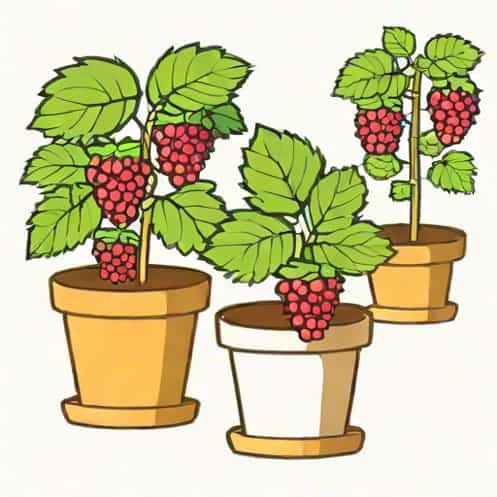
Growing loganberry in pots offers an excellent solution for gardeners who have limited space but still want to enjoy fresh, homegrown berries. Unlike traditional gardening in the ground, container gardening allows you to control soil quality, sunlight exposure, and watering schedules more easily. Loganberries, a hybrid between blackberries and raspberries, are known for their sweet-tart flavor and nutritious benefits. Cultivating them in pots can also make it easier to manage pests and diseases while keeping the plants accessible for harvesting. With the right care, growing loganberries in pots can be a rewarding and productive endeavor, even for those new to berry gardening.
Choosing the Right Container
The first step in growing loganberries in pots is selecting an appropriate container. The pot should be large enough to accommodate the plant’s root system and allow for healthy growth. A minimum of 15 to 20 gallons is recommended, although larger containers can support more vigorous plants. Ensure the pot has drainage holes to prevent waterlogging, which can lead to root rot. Materials such as plastic, ceramic, or wood can all work well, but consider the weight and durability if the pot needs to be moved.
Soil Requirements for Loganberries
Loganberries thrive in well-draining, nutrient-rich soil. A mix of potting soil combined with compost or organic matter is ideal for potted loganberries. The soil should be slightly acidic, with a pH level between 5.5 and 6.5. Adding perlite or sand to the soil mix can improve drainage and aeration. Fertilizing with a balanced, slow-release fertilizer during the growing season supports healthy growth and abundant fruit production.
Planting Loganberries in Pots
When planting loganberries in pots, it’s important to handle the roots carefully. If using bare-root plants, soak the roots in water for a few hours before planting to rehydrate them. Fill the pot with soil, creating a small mound in the center, and spread the roots over it. Cover the roots with soil, ensuring the crown is just above soil level. Water thoroughly after planting to help settle the soil and reduce transplant shock.
Positioning and Sunlight
Loganberries require full sun to produce the best fruit. Place the pot in a location that receives at least six to eight hours of direct sunlight each day. If growing in a balcony or patio with limited sunlight, consider rotating the pot periodically to ensure even exposure. During hot summer months, some afternoon shade can prevent the plant from overheating and reduce the risk of sunburn on the leaves and fruit.
Watering and Maintenance
Potted loganberries need consistent watering, as container soil can dry out more quickly than garden soil. Water deeply whenever the top inch of soil feels dry, ensuring the water reaches the roots. Avoid overwatering, as soggy soil can damage the roots and promote fungal diseases. Mulching the top of the soil with straw or wood chips can help retain moisture and regulate soil temperature.
Pruning Loganberries in Pots
Pruning is essential to maintain the health and productivity of loganberries. Remove any dead or diseased canes promptly. During the growing season, thin out overcrowded shoots to improve air circulation and sunlight penetration. After the harvest, prune old fruiting canes back to the base to make room for new growth. Proper pruning encourages strong canes and maximizes fruit yield in the following season.
Fertilizing Potted Loganberries
Fertilizing helps potted loganberries grow vigorously and produce abundant fruit. Use a balanced fertilizer with equal parts nitrogen, phosphorus, and potassium in early spring to support vegetative growth. Once flowering begins, switch to a fertilizer higher in potassium to encourage fruit development. Organic options like compost tea or fish emulsion can also provide essential nutrients and improve soil health.
Pest and Disease Management
Loganberries grown in pots are less prone to pests and diseases than ground-planted varieties, but vigilance is still necessary. Watch for aphids, spider mites, and fungal infections such as powdery mildew. Inspect leaves and stems regularly, and remove affected parts promptly. Using insecticidal soap or neem oil can control minor pest infestations without harming beneficial insects. Proper spacing, pruning, and watering practices can prevent most disease problems.
Harvesting Loganberries from Pots
Loganberries typically ripen in mid to late summer, depending on the climate and variety. Harvest the berries when they are fully colored and slightly soft to the touch. Gently pick the berries to avoid crushing or damaging the plant. Regular harvesting encourages continuous fruit production throughout the season. Because potted plants are more accessible, picking berries can be easier than in traditional garden beds.
Overwintering Potted Loganberries
In colder climates, potted loganberries need protection during the winter months. Move the pots to a sheltered location, such as a garage, greenhouse, or covered porch, to prevent the roots from freezing. Mulch around the base of the plant to insulate the roots. Some gardeners choose to wrap the canes with burlap or frost cloth for additional protection. Container-grown loganberries benefit from this extra care, ensuring healthy growth in the next season.
Benefits of Growing Loganberries in Pots
- Flexibility in placement, allowing gardeners to move the plant for optimal sunlight.
- Reduced risk of soil-borne diseases compared to in-ground planting.
- Ease of harvesting and maintaining the plant at a convenient height.
- Ability to grow in small spaces such as balconies, patios, or urban gardens.
- Control over soil quality and moisture levels, improving plant health and fruit production.
Growing loganberry in pots is an excellent way for gardeners of all skill levels to enjoy fresh, flavorful berries without needing a large garden space. With careful attention to container size, soil quality, sunlight, and maintenance, potted loganberries can thrive and produce abundant fruit. Regular watering, pruning, and fertilization, along with vigilance against pests and diseases, ensure a healthy and productive plant. Whether grown for personal enjoyment or as part of a small urban garden, loganberries in pots offer a rewarding gardening experience, combining convenience, beauty, and delicious fruit.