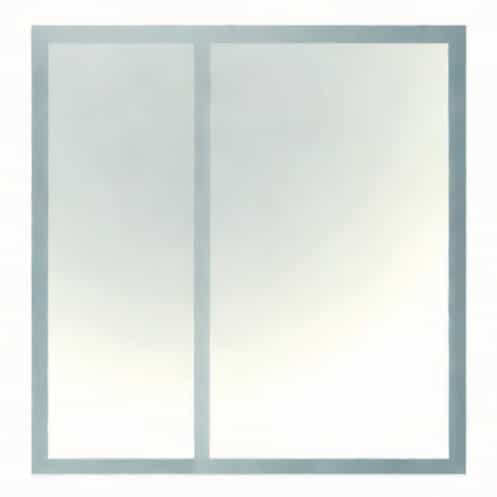
Frosted glass is a common material used in both residential and commercial spaces, often chosen for its aesthetic appeal and functional properties. People frequently ask whether frosted glass is transparent or translucent, as the distinction impacts its suitability for privacy, lighting, and design purposes. Understanding the difference between transparent and translucent materials, along with the characteristics of frosted glass, can help homeowners, architects, and designers make informed decisions. This topic explores frosted glass in depth, examining its properties, applications, and the ways it interacts with light.
Understanding Transparency and Translucency
Before exploring frosted glass, it is important to understand the definitions of transparent and translucent. These terms describe how materials transmit light
Transparent Materials
Transparent materials allow light to pass through them clearly, meaning objects on the other side can be seen distinctly. Examples include clear glass, clean water, and certain plastics. Transparency is ideal for applications where unobstructed vision is necessary, such as windows and eyeglasses.
Translucent Materials
Translucent materials allow light to pass through, but they scatter it in multiple directions. As a result, objects on the other side cannot be seen clearly. Frosted glass is a prime example. Translucency is useful in situations where light is desired but privacy or visual diffusion is important. Other examples include wax paper, frosted plastics, and certain types of thin fabric.
What is Frosted Glass?
Frosted glass is a type of glass that has been treated to create a surface that diffuses light. This treatment can be achieved through several methods, including sandblasting, acid etching, or applying frosted films. The resulting surface is smooth yet opaque enough to obscure the view of objects behind it.
Methods of Frosting
- SandblastingHigh-pressure sand is used to etch the glass surface, creating a frosted appearance.
- Acid EtchingAcid is applied to chemically alter the surface of the glass, producing a similar frosted effect.
- Frosted FilmsAdhesive films can be applied to clear glass, offering a temporary or customizable frosting solution.
Is Frosted Glass Transparent or Translucent?
Frosted glass is considered translucent rather than transparent. While it allows light to pass through, the diffusion caused by the frosted surface prevents clear visibility. This means that while a room with frosted glass doors or windows will still receive natural light, the details of objects or people on the other side are obscured.
Light Diffusion
The main feature of frosted glass is its ability to scatter light. When sunlight or artificial light hits the frosted surface, it disperses in multiple directions, creating a soft glow. This reduces glare and creates a uniform lighting effect, which is highly valued in interior design, offices, and bathrooms.
Privacy Benefits
Because frosted glass is translucent, it offers privacy while still allowing light to enter a space. This makes it ideal for
- Bathroom windows and shower enclosures
- Office partitions and conference rooms
- Entry doors with decorative frosted panels
Applications of Frosted Glass
Frosted glass is versatile and can be found in various residential, commercial, and industrial applications. Its translucent property allows it to balance light transmission and privacy effectively.
Residential Use
In homes, frosted glass is popular for
- Bathroom and Shower DoorsEnsuring privacy while maintaining a bright, open feel.
- WindowsProviding natural light without compromising privacy from neighbors.
- Cabinet DoorsAdding aesthetic appeal to kitchen or living room cabinets.
Commercial Use
Businesses often use frosted glass in
- Office PartitionsCreating private workspaces while allowing light flow throughout an open office layout.
- Conference RoomsMaintaining confidentiality during meetings.
- StorefrontsEnhancing brand aesthetics and adding privacy for staff areas.
Decorative and Artistic Applications
Frosted glass can also be used for purely decorative purposes, such as
- Etched patterns or logos on doors and windows
- Art panels and partitions in homes and galleries
- Light fixtures that diffuse illumination evenly across a space
Comparing Frosted Glass with Other Types of Glass
Understanding the difference between frosted, clear, and tinted glass helps clarify its properties
Clear Glass
Completely transparent, allowing unobstructed views. Best for windows where full visibility is desired.
Tinted Glass
Colored or coated to reduce glare and heat while maintaining transparency. Objects behind tinted glass can usually still be seen, though colors may appear darker.
Frosted Glass
Translucent, allowing light to pass through but obscuring clear vision. Offers privacy and light diffusion without the need for curtains or blinds.
Maintenance and Care
Caring for frosted glass is relatively simple but requires specific approaches to maintain its appearance
- Use non-abrasive cleaners to prevent scratching the frosted surface.
- Wipe with a soft cloth or sponge to avoid damage.
- For frosted films, check periodically for peeling or air bubbles and replace if necessary.
Frosted glass is translucent rather than transparent, meaning it allows light to pass through but scatters it to obscure clear visibility. This unique property makes it an ideal material for spaces where both privacy and natural lighting are important. From residential bathrooms to commercial offices and decorative applications, frosted glass provides both functionality and aesthetic appeal. Understanding its translucent nature, benefits, and proper care ensures that frosted glass can be used effectively in various settings, enhancing both light and privacy while adding a sophisticated design element.