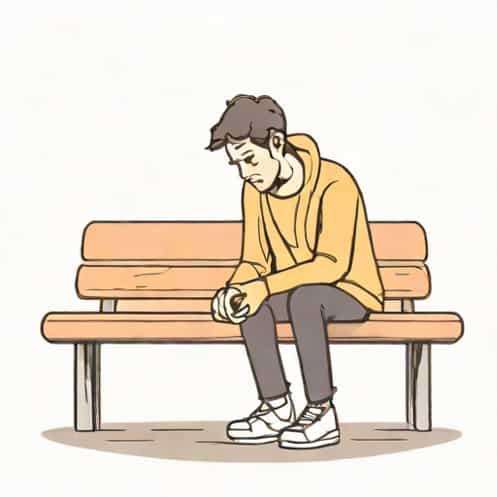
Feelings of loneliness and worthlessness are experiences that affect millions of people worldwide, cutting across age, gender, and cultural boundaries. These emotions can be deeply isolating, leaving individuals with a sense of emptiness and a belief that they lack value or significance. While occasional moments of loneliness are a normal part of life, persistent feelings of worthlessness and social disconnection can have profound effects on mental, emotional, and even physical health. Understanding the causes, manifestations, and coping strategies for these feelings is essential for anyone struggling with them or supporting someone who is.
Understanding Loneliness
Loneliness is more than just being physically alone. It is a subjective emotional experience in which an individual feels disconnected from others, even if surrounded by people. Loneliness can result from life changes such as moving to a new city, losing a loved one, or experiencing a breakup. Chronic loneliness can contribute to negative mental health outcomes, including anxiety, depression, and low self-esteem. The brain perceives social isolation as a form of threat, triggering stress responses that may intensify feelings of loneliness and exacerbate mental health challenges.
Signs of Loneliness
Recognizing loneliness is crucial for addressing it effectively. Common signs include
- Feeling disconnected from friends, family, or colleagues despite social interactions.
- Experiencing a persistent sense of emptiness or boredom.
- Having difficulty forming meaningful relationships or maintaining existing ones.
- Seeking social interactions but feeling unsatisfied or misunderstood.
- Heightened sensitivity to rejection or criticism.
Understanding Feelings of Worthlessness
Feelings of worthlessness often accompany loneliness but are distinct in that they relate to one’s sense of personal value. Individuals experiencing worthlessness may believe that they are inadequate, unimportant, or incapable of contributing positively to the lives of others. This mindset can be reinforced by internal criticism, societal pressures, or repeated experiences of failure or rejection. Persistent feelings of worthlessness are often linked to depression and can influence behavior, leading to withdrawal, decreased productivity, and avoidance of social situations.
Signs of Worthlessness
Key indicators of worthlessness include
- Constant self-criticism and negative self-talk.
- Feeling undeserving of love, attention, or success.
- Avoidance of opportunities due to fear of failure.
- Comparing oneself unfavorably to others.
- Reduced motivation or interest in activities that were once enjoyable.
Causes of Loneliness and Worthlessness
Several factors contribute to these intertwined emotions. Social, psychological, and environmental influences all play a role
- Life TransitionsMajor changes, such as moving, changing jobs, or ending relationships, can trigger feelings of loneliness and self-doubt.
- Social IsolationLimited interaction with supportive communities or networks increases vulnerability to these emotions.
- Mental Health ConditionsDepression, anxiety, and other disorders can intensify perceptions of inadequacy and isolation.
- Traumatic ExperiencesChildhood trauma, bullying, or past abuse can leave lasting emotional scars that contribute to feelings of worthlessness.
- Unrealistic ExpectationsSocietal pressures or personal perfectionism may lead individuals to believe they are falling short, deepening self-criticism and loneliness.
The Impact on Mental and Physical Health
Persistent loneliness and worthlessness can have profound effects on mental health. These feelings are strongly associated with depression, anxiety, and suicidal ideation. Social withdrawal may exacerbate these emotions, creating a cycle that is difficult to break. Physically, chronic loneliness and stress associated with negative self-perception can contribute to elevated blood pressure, weakened immune function, and increased risk of cardiovascular disease. Understanding these impacts highlights the importance of early intervention and support.
Strategies for Coping and Healing
While feelings of loneliness and worthlessness can be overwhelming, there are effective strategies for managing and overcoming them
- Seek Professional SupportTherapists, counselors, and mental health professionals can provide guidance, therapy, and coping techniques tailored to individual needs.
- Develop Social ConnectionsJoining clubs, support groups, or volunteering can help build meaningful relationships and reduce social isolation.
- Practice Self-CompassionReplacing negative self-talk with affirmations and self-kindness can help improve self-esteem and combat feelings of worthlessness.
- Engage in Physical ActivityExercise has been shown to boost mood, reduce stress, and enhance overall mental health.
- Set Realistic GoalsAchievable objectives provide a sense of purpose and accomplishment, counteracting feelings of inadequacy.
Preventing Loneliness and Worthlessness
Preventative measures can reduce the likelihood of chronic feelings of loneliness and worthlessness. Maintaining a balanced lifestyle, cultivating supportive relationships, and fostering a positive self-image are critical. Regularly connecting with family and friends, participating in community activities, and engaging in hobbies or creative pursuits provide both emotional satisfaction and a sense of belonging. Mindfulness practices and stress management techniques can also help individuals remain grounded and resilient during challenging times.
The Importance of Communication
Talking openly about feelings of loneliness and worthlessness is essential. Sharing emotions with trusted friends, family members, or professionals reduces isolation and can provide new perspectives. Effective communication also helps break down stigma associated with mental health challenges, encouraging more individuals to seek support before these feelings become overwhelming.
Feelings of loneliness and worthlessness are complex emotional experiences that can impact every aspect of a person’s life. Recognizing the signs, understanding the causes, and implementing coping strategies are key steps toward healing and emotional well-being. By seeking support, fostering meaningful connections, and practicing self-compassion, individuals can reduce the intensity of these feelings and build a stronger sense of personal value and belonging. Addressing loneliness and worthlessness is not just about alleviating pain; it is about nurturing a healthier, more resilient, and fulfilling life.