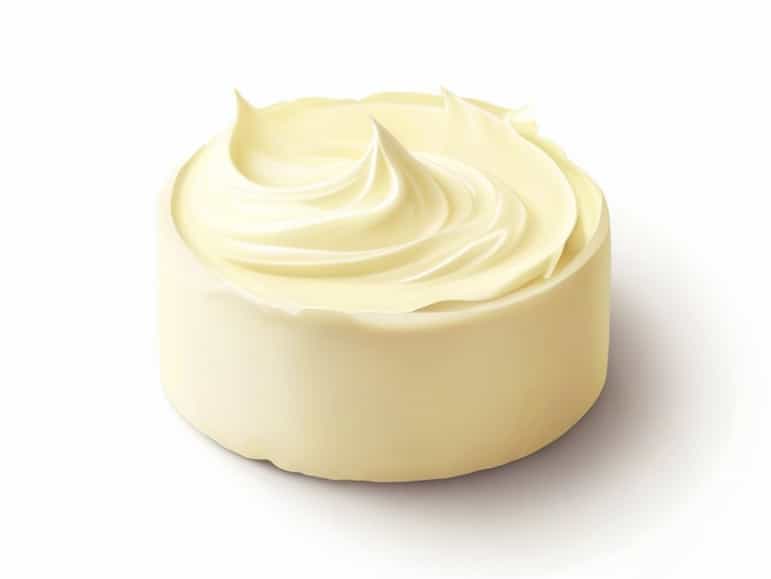
Cream cheese is a versatile ingredient in both savory and sweet dishes, from cheesecakes and frostings to dips and spreads. However, one of the most common challenges in the kitchen is dealing with cold, hard cream cheese straight from the refrigerator. Using it while it is still firm can result in lumpy textures and make mixing or spreading difficult. Fortunately, there are several fast and effective methods to soften cream cheese so it is smooth, creamy, and ready to use in your recipes. Understanding these methods can save time in the kitchen and improve the consistency of your dishes.
Why Softening Cream Cheese Matters
Softening cream cheese is not just about convenience; it also affects the texture, flavor, and overall quality of the final dish. Recipes that require blending cream cheese with sugar, eggs, or other ingredients, like cheesecake or frosting, demand a smooth and even consistency. If the cream cheese is too cold and firm, it can form lumps, which may affect the final product’s texture. Additionally, softened cream cheese incorporates more easily with other ingredients, resulting in better flavor distribution.
Common Mistakes When Softening
- Trying to beat cream cheese straight from the fridge without softening.
- Overheating in the microwave, which can melt the edges while leaving the center hard.
- Leaving cream cheese out too long at room temperature, which may create a risk of bacterial growth.
Fast Methods to Soften Cream Cheese
There are several techniques to quickly soften cream cheese while keeping it safe and ready for mixing. These methods can help achieve a creamy, spreadable texture in minutes rather than hours.
Microwave Method
The microwave is one of the fastest ways to soften cream cheese. Place the cream cheese in a microwave-safe bowl and heat in short intervals of 10 to 15 seconds. After each interval, check the texture and gently stir. Avoid using high power for a long duration, as this can cause the cream cheese to melt unevenly. This method usually softens the cheese in about 30 to 45 seconds depending on the quantity and microwave strength.
Hot Water Method
If you prefer not to use a microwave, the hot water method is another quick technique. Fill a bowl with hot water and let it sit for a few minutes to warm up. Then, pour out the water and place the sealed cream cheese package in the warm bowl for 5 to 10 minutes. The gentle heat from the bowl gradually softens the cheese without risk of melting or overheating. This method works particularly well if you need to soften cream cheese for spreading or dipping.
Cutting into Small Pieces
Another effective approach is to cut the cream cheese into smaller cubes or slices. By increasing the surface area, the cream cheese softens faster at room temperature or when applying other heat methods. This technique is especially useful when combining with sugar or other ingredients for recipes, as smaller pieces are easier to incorporate and reduce the risk of lumps.
Rolling Between Sheets
For cream cheese that needs to be very soft for spreading, such as in bagels or crackers, you can place the block between two sheets of parchment paper and gently roll with a rolling pin. This physically softens the cream cheese without applying direct heat, maintaining the texture while speeding up the process.
Tips for Best Results
When softening cream cheese quickly, there are several tips to ensure success. Following these can help maintain the quality and safety of the ingredient
- Always check the cream cheese frequently while using heat to prevent melting.
- Use room temperature tools, such as bowls or utensils, to avoid re-cooling the cheese.
- Softening cream cheese in small batches can speed up the process compared to handling a large block.
- For baking, make sure the cream cheese is evenly softened to avoid lumps in batters or frostings.
When to Use Softened Cream Cheese
Softened cream cheese is ideal for recipes requiring smooth textures. Examples include
- Cheesecakes and other creamy desserts
- Cream cheese frostings for cakes and cupcakes
- Dips for vegetables, chips, or crackers
- Spreads for bagels, sandwiches, or toast
- Filling for pastries or stuffed baked goods
Using cream cheese at the correct consistency not only improves texture but also ensures better blending with other ingredients, creating a more professional and delicious result.
Alternative Tips for Quick Softening
If you are in a hurry and don’t have access to a microwave or hot water, there are alternative techniques. For example, placing cream cheese near a warm stove or oven (but not directly on heat) can accelerate softening. Similarly, stirring vigorously with a hand mixer or whisk while at room temperature can also help achieve a smoother texture more quickly.
Safety Considerations
While speeding up the softening process, it is important to maintain food safety. Cream cheese should not be left out at room temperature for more than two hours. Using short heat intervals, like microwaving or placing near warm surfaces, ensures the cheese softens safely without entering the danger zone where bacteria can multiply.
Summary
Softening cream cheese quickly is essential for successful baking and cooking. Methods such as the microwave, hot water bath, cutting into smaller pieces, and rolling between sheets provide fast and efficient ways to reach the perfect texture. By following simple tips and safety considerations, you can avoid lumps, improve flavor distribution, and create creamy, delicious dishes. Softened cream cheese makes everything from frostings and cheesecakes to dips and spreads easier to prepare, ensuring a smooth consistency and enhanced overall taste.
Whether you are baking a cheesecake for a special occasion, spreading cream cheese on a bagel, or preparing a savory dip, knowing how to soften cream cheese quickly and effectively is a key kitchen skill. With methods like microwaving, hot water baths, cutting into pieces, or gentle rolling, you can achieve a creamy, smooth consistency in minutes. Incorporating these techniques into your cooking routine will save time, enhance texture, and ensure your dishes are always perfectly blended. Softened cream cheese is not only easier to work with but also contributes to a better tasting and visually appealing final product.