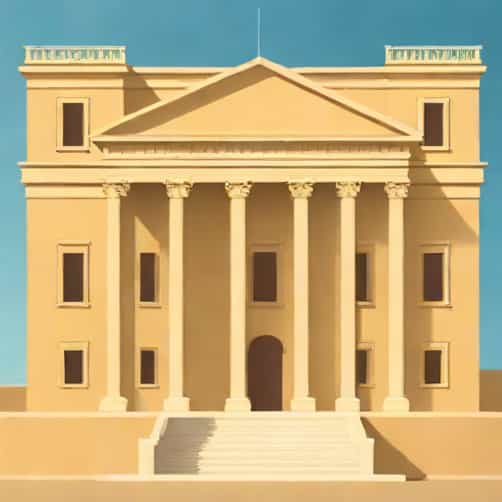
En el palacio de Cnosos by Nikos Kazantzakis is a literary work that blends mythology, imagination, and cultural reflection in a way that feels both timeless and approachable. Written by one of Greece’s most influential writers, this story invites readers into the ancient world of Crete, where legends are not distant tales but living experiences shaped by human emotion, fear, and hope. From the very first pages, the narrative creates a vivid sense of place and atmosphere, allowing readers to walk through the corridors of the Palace of Knossos and feel the weight of myth intertwined with everyday life.
Nikos Kazantzakis and His Literary Vision
Nikos Kazantzakis is best known internationally for works such asZorba the Greek, but his literary range is much broader. He was deeply interested in philosophy, spirituality, and the cultural roots of Greece. In en el palacio de Cnosos, Kazantzakis turns to ancient mythology, not as a distant academic subject, but as a living source of meaning. His approach reflects his belief that myths help people understand themselves and their struggles.
Kazantzakis wrote with a strong sense of national identity, especially connected to Crete, his birthplace. This connection gives the story emotional depth, as the island is not just a setting but a symbol of history, resilience, and cultural memory.
The Mythical Setting of the Palace of Knossos
The Palace of Knossos is one of the most important archaeological and mythical sites in Greek history. Traditionally associated with King Minos, the Minotaur, and the labyrinth, Knossos represents both human creativity and human fear. In this story, the palace is more than stone walls and corridors. It becomes a living space filled with secrets, power, and mystery.
Kazantzakis uses detailed descriptions to help readers imagine the palace as a vibrant center of life. The colors, sounds, and rituals of ancient Crete are woven into the narrative, making the setting feel immersive rather than symbolic alone.
Retelling the Myth for a New Audience
En el palacio de Cnosos is often considered a retelling of the myth of Theseus and the Minotaur, but Kazantzakis adds his own interpretation. The story is accessible to younger readers while still offering layers of meaning for adults. Instead of focusing only on heroic action, the author explores motivation, fear, and moral choice.
This version of the myth emphasizes humanity over pure heroism. Characters are not flawless symbols; they experience doubt and inner conflict. This approach makes the story more relatable and emotionally engaging.
Theseus as a Human Hero
In Kazantzakis’s interpretation, Theseus is brave, but his courage is not automatic. He questions himself and reflects on the danger ahead. This portrayal shifts the focus from physical strength to inner strength, suggesting that true heroism comes from facing fear with awareness.
By presenting Theseus in this way, the story invites readers to reflect on their own challenges and the choices they make when facing uncertainty.
The Minotaur as a Symbol
The Minotaur in en el palacio de Cnosos is more than a monster. It represents chaos, suppressed fear, and the darker side of human nature. Kazantzakis does not reduce the creature to pure evil. Instead, it becomes a tragic figure, shaped by forces beyond its control.
This symbolic treatment encourages readers to think about how societies create monsters through fear, power, and misunderstanding.
The Role of Ariadne and Guidance
Ariadne plays a crucial role in the story, offering guidance and compassion. Her thread, which helps Theseus find his way out of the labyrinth, is both a practical tool and a metaphor. It represents knowledge, love, and human connection as essential elements for survival.
Kazantzakis highlights the importance of cooperation rather than individual triumph. Without Ariadne’s help, Theseus would not succeed, reinforcing the idea that no journey is completed alone.
Language and Style
The language used in en el palacio de Cnosos is simple enough for general readers but rich in imagery and emotion. Kazantzakis avoids overly complex structures, choosing clarity and rhythm instead. This style makes the story suitable for a wide audience, including younger readers and those new to Greek mythology.
At the same time, the prose carries a poetic quality that reflects the oral tradition of myths. The narrative flows naturally, echoing the way stories were once shared aloud.
Key Themes in En el Palacio de Cnosos
- The struggle between fear and courage
- The search for identity and purpose
- The power of guidance and human connection
- The balance between reason and instinct
These themes help explain why the story remains relevant. Although rooted in ancient myth, the questions it raises are deeply modern and universal.
Cultural and Educational Value
En el palacio de Cnosos is often used as an introduction to Greek mythology for younger readers. Its clear narrative and emotional depth make it an effective educational tool. Readers learn not only about myths but also about values such as responsibility, empathy, and self-awareness.
For adults, the book offers a chance to revisit familiar myths through a reflective lens. Kazantzakis’s interpretation encourages readers to question traditional ideas of good and evil.
Why the Story Still Matters Today
In a modern world filled with complex challenges, the journey through the Palace of Knossos remains meaningful. The labyrinth can be seen as a metaphor for confusion, social pressure, or personal struggle. The story suggests that progress comes not from violence alone, but from understanding, guidance, and inner clarity.
This timeless message helps explain why en el palacio de Cnosos continues to attract readers across generations and cultures.
Final Reflections
En el palacio de Cnosos by Nikos Kazantzakis is more than a simple retelling of a famous myth. It is a thoughtful exploration of humanity, courage, and responsibility set against the powerful backdrop of ancient Crete. Through accessible language and rich symbolism, Kazantzakis transforms a well-known legend into a story that speaks to readers of all ages. By walking through the palace and facing the labyrinth, readers are invited to reflect on their own inner journeys and the threads that guide them through life.