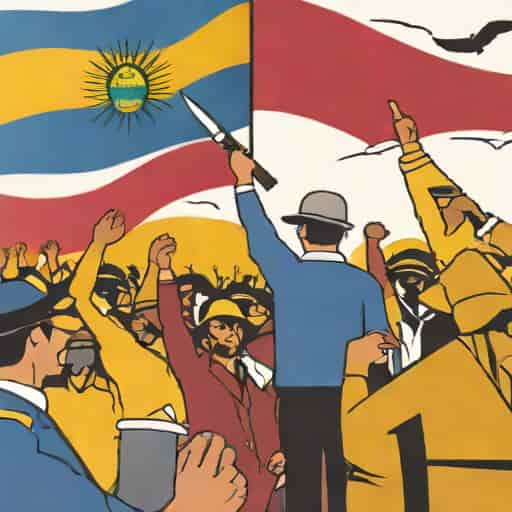
Ecuador has experienced periods of political unrest in recent years that have drawn international attention due to their intensity, impact on the economy, and implications for democratic governance. Political unrest in Ecuador often stems from a combination of economic challenges, social inequality, indigenous rights, and policy decisions that spark widespread protests and public demonstrations. These events have involved strikes, road blockades, and clashes with law enforcement, affecting both urban and rural areas. Understanding the causes, key events, and consequences of Ecuador’s political unrest is essential for comprehending the country’s current political climate, the pressures facing its leadership, and the challenges to social stability and economic growth. The unrest highlights the complex relationship between government policies, citizen demands, and the need for dialogue in a democratic society.
Historical Context of Political Unrest in Ecuador
Ecuador’s history has been marked by political volatility, with frequent changes in leadership, economic crises, and social movements shaping the nation’s governance. Since gaining independence in the 19th century, Ecuador has struggled with political fragmentation, often influenced by conflicts between conservative and liberal factions. In modern times, political unrest has frequently been linked to economic austerity measures, corruption scandals, and public dissatisfaction with governance. These factors have created an environment where large-scale protests and social mobilization are common tools for citizens seeking to influence policy and assert their rights.
Economic Challenges and Social Inequality
Economic issues are a central driver of political unrest in Ecuador. High levels of poverty, unemployment, and inflation have contributed to public dissatisfaction, particularly when combined with government measures perceived as unfair or harmful to vulnerable populations. Subsidy reductions, fuel price hikes, and tax reforms have historically triggered protests, as citizens feel the burden of economic reforms disproportionately affects them. Social inequality, especially between urban centers like Quito and Guayaquil and rural areas including indigenous communities, has intensified tensions and amplified calls for government accountability.
Key Triggers of Recent Unrest
In the last decade, several specific triggers have led to periods of political unrest in Ecuador. These events illustrate the recurring patterns of protest and government response in the country.
Fuel Price Hikes and Economic Reforms
One of the most notable causes of unrest has been government decisions to remove fuel subsidies or implement austerity measures. For example, in 2019, President Lenín Moreno announced the removal of fuel subsidies as part of a broader economic reform package required by the International Monetary Fund. This led to widespread protests, particularly from indigenous groups and labor unions, who argued that the reforms disproportionately impacted the poorest citizens. The protests included road blockades, mass marches, and disruptions in major cities, eventually forcing the government to temporarily reverse some policies.
Indigenous Rights and Social Movements
Indigenous communities in Ecuador play a significant role in political mobilization, particularly through organizations such as the Confederation of Indigenous Nationalities of Ecuador (CONAIE). Protests led by indigenous groups often focus on land rights, environmental protection, and opposition to extractive industries like mining and oil drilling. These movements have been instrumental in shaping national policies and amplifying the voices of historically marginalized communities, sometimes leading to negotiations with the government or the suspension of controversial projects.
Corruption and Governance Issues
Corruption scandals and perceived government mismanagement have also sparked political unrest. Public frustration over embezzlement, misuse of public funds, and lack of transparency in decision-making has prompted protests and calls for political accountability. Citizens and civil society organizations frequently demand investigations, resignations, or institutional reforms to address corruption, highlighting the role of civic engagement in Ecuador’s political landscape.
Consequences of Political Unrest
Political unrest in Ecuador has far-reaching consequences for both domestic stability and international perception. The impact is felt across economic, social, and political dimensions.
Economic Impact
Protests and unrest often disrupt trade, transportation, and business activities, leading to short-term economic losses. Road blockades, strikes, and occupation of public spaces can hinder the movement of goods, affect tourism, and create uncertainty for investors. The cost of restoring order, including increased security measures and compensation for damages, can strain government budgets and exacerbate existing economic challenges.
Social and Humanitarian Effects
Political unrest frequently results in clashes between protesters and law enforcement, sometimes leading to injuries, arrests, and, in extreme cases, fatalities. Social tension may escalate between different groups, particularly when protests involve ethnic, regional, or economic divides. Additionally, disruptions to essential services and infrastructure can affect vulnerable populations, including access to healthcare, education, and food supplies.
Political Consequences
Unrest can significantly influence political decision-making, often forcing governments to reconsider policies, negotiate with social groups, or call for new elections. It may also impact public trust in institutions and affect the legitimacy of political leaders. While protests provide a platform for citizens to express grievances, they can also lead to polarization and challenges in forming consensus on policy reforms.
Government Responses to Unrest
The Ecuadorian government has employed various strategies to address political unrest, ranging from dialogue and negotiation to law enforcement and policy adjustments.
Negotiation and Dialogue
Negotiation with protest leaders, particularly indigenous and labor organizations, is a common approach to resolving unrest. Dialogue often involves policy concessions, revisions to proposed reforms, or temporary suspension of controversial measures. Effective negotiation helps reduce tensions, restore public order, and build trust between the government and citizens.
Law Enforcement Measures
In cases where protests escalate, the government may deploy police or security forces to maintain public order. While necessary for safety, such measures can sometimes exacerbate tensions if perceived as excessive or violent, leading to criticism from human rights organizations and international observers.
Policy Adjustments
Governments facing sustained unrest often revise policies to address public concerns. This may include reinstating subsidies, delaying reforms, or implementing social programs aimed at mitigating the economic burden on vulnerable populations. Policy adjustments are a pragmatic way to balance fiscal responsibility with social stability.
International Perspectives
Political unrest in Ecuador attracts attention from neighboring countries, international organizations, and investors. Stability in Ecuador is closely monitored due to its role in regional trade, oil production, and geopolitical significance. International observers often emphasize the importance of human rights, peaceful protest, and dialogue between the government and citizens, highlighting the interconnectedness of domestic unrest with global economic and political considerations.
Ecuador’s political unrest reflects the complex interplay of economic pressures, social inequality, indigenous rights, and governance challenges. From fuel price protests to demands for greater transparency and respect for indigenous communities, these events illustrate the power of citizen engagement in shaping national policy. While political unrest can disrupt daily life and economic activity, it also serves as a mechanism for democratic participation and accountability. Understanding the causes, key events, and consequences of unrest is essential for policymakers, analysts, and citizens seeking to promote stability, social justice, and effective governance. Moving forward, addressing the root causes of unrest through inclusive dialogue, equitable economic policies, and transparent governance will be crucial for Ecuador to achieve long-term political and social stability.