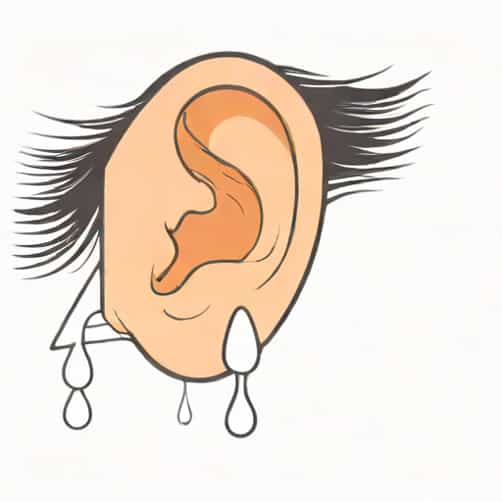
Earwax, also known as cerumen, is a natural substance produced by the glands in the ear canal to protect the ears from dust, bacteria, and other foreign ptopics. While it serves a protective function, sometimes earwax can accumulate excessively, leading to discomfort, hearing difficulties, or a feeling of fullness in the ear. For many people, using ear drops to soften earwax is a safe and effective solution to help remove the buildup. Understanding how ear drops work, the types available, and safe usage practices is essential for maintaining ear health and avoiding potential complications.
What Are Ear Drops for Softening Earwax?
Ear drops designed to soften earwax are typically composed of oils or other solutions that help break down the wax, making it easier to remove naturally or through gentle irrigation. These drops do not directly remove the wax but work by loosening and lubricating it, allowing it to exit the ear canal more easily. They are widely available over the counter and are a common first-line approach for managing impacted earwax at home.
Common Ingredients in Ear Drops
Several types of ingredients are commonly found in earwax-softening drops. Each has specific properties that help dissolve or loosen earwax
- Carbamide PeroxideThis is one of the most frequently used ingredients in over-the-counter ear drops. It releases oxygen when applied, which helps break up and soften wax while also bubbling and fizzing to aid in removal.
- Mineral OilMineral oil helps lubricate the ear canal and soften hardened wax, making it easier for the wax to naturally move out of the ear.
- Olive OilOlive oil is a gentle, natural option that can soften wax over time and is less likely to cause irritation.
- GlycerinGlycerin is a thick, moisturizing agent that can help loosen earwax without causing dryness or irritation.
- Sodium Bicarbonate SolutionsThese solutions can help break down wax deposits, particularly when they are hardened or impacted.
How to Use Ear Drops Safely
Proper application of ear drops is important to ensure effectiveness and avoid injury or irritation. Here is a step-by-step guide for safely using ear drops to soften earwax
Step 1 Wash Your Hands
Before touching your ears or the ear drops, wash your hands thoroughly to reduce the risk of introducing bacteria into the ear canal.
Step 2 Prepare the Drops
Read the instructions on the ear drop packaging carefully. Some drops need to be warmed slightly to body temperature for comfort, but never microwave or heat them excessively.
Step 3 Position Your Head
Lie on your side or tilt your head so that the ear needing treatment faces upward. This allows the drops to reach the wax effectively.
Step 4 Apply the Drops
Gently pull the outer ear upward and backward to straighten the ear canal. Instill the recommended number of drops into the ear, being careful not to touch the dropper to the ear canal.
Step 5 Allow Time for Softening
Stay in the same position for several minutes to allow the drops to penetrate and soften the wax. Follow the product instructions regarding the duration and frequency of use.
Step 6 Drain and Clean
After the recommended time, sit up and allow the ear to drain onto a tissue or cloth. Some people may need to gently flush the ear with warm water using a bulb syringe, but this should be done cautiously to avoid damage.
When to Seek Professional Help
While ear drops are generally safe, there are situations where a healthcare professional should evaluate earwax buildup or ear discomfort. You should seek medical advice if
- There is severe ear pain or swelling
- Hearing loss persists despite using ear drops
- There is discharge, bleeding, or foul odor from the ear
- You have a history of ear surgery or a perforated eardrum
- The wax is extremely hard or impacted and not responding to drops
Professional removal may involve irrigation, suction, or use of specialized instruments by a trained healthcare provider. Attempting to remove earwax with cotton swabs or other objects can push wax further in and cause injury.
Tips for Preventing Earwax Buildup
Prevention is often more effective than treatment. Some tips to minimize the risk of excessive earwax include
- Regular cleaning of the outer ear with a damp cloth
- Avoiding insertion of cotton swabs or sharp objects into the ear canal
- Using ear drops periodically if you are prone to wax buildup
- Monitoring for changes in hearing or ear comfort and addressing issues early
- Seeking routine checkups with an audiologist or ENT specialist if needed
Ear drops to soften earwax are a safe, convenient, and effective option for managing minor earwax buildup at home. They work by loosening and lubricating wax, allowing it to exit the ear canal naturally. Understanding the types of ingredients, proper application techniques, and safety precautions is essential for achieving the best results. While ear drops are helpful, they are not suitable for everyone, and severe or persistent issues should be evaluated by a healthcare professional. By using ear drops correctly and maintaining ear hygiene, you can prevent discomfort, maintain good hearing, and support overall ear health. Remember, proper care and attention to your ears can make a significant difference in comfort and long-term auditory wellness.