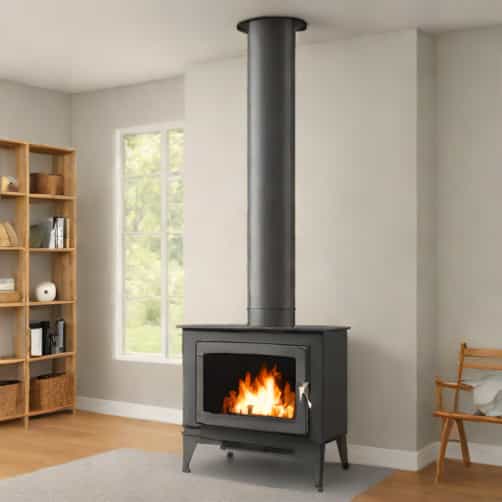
The Duravent pellet stove pipe is a crucial component in pellet stove systems, designed to efficiently vent combustion gases while maintaining safety and performance. Pellet stoves have grown in popularity due to their efficiency, eco-friendliness, and convenience, but proper venting is essential to ensure optimal operation and safety. Duravent, as a trusted manufacturer, offers a variety of pipe solutions specifically engineered for pellet stoves, ensuring durability, ease of installation, and compliance with safety standards. Understanding the features, installation requirements, and maintenance considerations of Duravent pellet stove pipes can help homeowners maximize the performance of their heating systems and ensure long-term reliability.
Overview of Duravent Pellet Stove Pipes
Duravent pellet stove pipes are designed to handle the unique requirements of venting pellet stoves, which differ from traditional wood stoves. These pipes must withstand high temperatures, prevent condensation build-up, and safely direct combustion gases outside the home. Duravent provides a range of single-wall and double-wall pipes, each with specific advantages depending on installation needs. Single-wall pipes are typically used for interior sections of the venting system, while double-wall pipes provide better insulation and are often used for exterior venting to prevent heat loss and condensation.
Key Features
- High-Temperature ResistanceDesigned to handle the heat generated by pellet combustion without warping or degradation.
- Corrosion-Resistant MaterialsConstructed from durable steel to resist rust and corrosion, ensuring long-term reliability.
- Variety of SizesAvailable in different diameters and lengths to accommodate diverse pellet stove models and installation layouts.
- Easy AssemblySections are engineered for secure connections and straightforward installation.
- Compliance with Safety StandardsMeets or exceeds industry standards for venting pellet stoves safely.
Types of Duravent Pellet Stove Pipes
Duravent offers several types of pellet stove pipes to suit various installation scenarios. Selecting the right type is essential for efficient operation, safety, and code compliance. The two main types are single-wall and double-wall pipes, each offering distinct benefits.
Single-Wall Pellet Stove Pipe
Single-wall pipes are typically used indoors where the pipe does not pass through walls or ceilings. They are more affordable and easier to work with, making them ideal for connecting the stove to the initial venting section. While they are effective for interior venting, they do not provide insulation, so they are not recommended for long exterior runs where heat loss and condensation could be an issue.
Double-Wall Pellet Stove Pipe
Double-wall pipes, also known as insulated pipes, feature an inner and outer wall separated by insulation. This design reduces heat loss, prevents condensation, and ensures safer exterior venting. Double-wall pipes are commonly used for through-wall or through-roof installations, where maintaining proper flue temperatures and protecting surrounding materials is critical. They also contribute to improved stove efficiency by maintaining higher exhaust temperatures, which promotes better draft and combustion.
Installation Guidelines
Proper installation of Duravent pellet stove pipes is essential to ensure safety, efficiency, and compliance with building codes. Incorrect installation can result in poor stove performance, smoke leakage, or even fire hazards. Key installation considerations include following manufacturer guidelines, maintaining proper clearances from combustible materials, and using the correct pipe diameter and length. Many homeowners choose professional installation to guarantee safety and optimal performance, though careful DIY installation is possible with attention to detail.
Clearances and Safety
Duravent provides detailed instructions for maintaining safe clearances between the pipe and combustible materials such as walls, ceilings, and floors. Single-wall pipes require more clearance due to higher external temperatures, while double-wall pipes can be installed closer to combustibles thanks to insulation. Maintaining proper clearance is critical to prevent heat damage or fire risks. Additionally, securing pipes with support brackets or straps ensures stability and prevents movement over time.
Venting Configurations
The configuration of the pellet stove venting system depends on the stove location and home layout. Common configurations include vertical venting through the roof, horizontal venting through an exterior wall, or a combination of both. Duravent pipes are compatible with various elbows, adapters, and roof or wall caps, allowing flexibility in designing the venting system. Ensuring proper slope in horizontal sections is important to prevent condensation buildup and allow for effective flue gas flow.
Maintenance and Longevity
Maintaining Duravent pellet stove pipes is essential for ensuring long-term performance and safety. Regular inspection, cleaning, and monitoring of pipe connections help prevent blockages, corrosion, or leaks. Pellet stoves produce minimal ash compared to wood stoves, but small amounts can accumulate in venting systems, especially in horizontal sections. Cleaning tools and brushes designed for pellet stove pipes can simplify this process and keep the system functioning efficiently.
Cleaning Tips
- Inspect pipes periodically for signs of corrosion, cracks, or loose connections.
- Remove ash and soot buildup using a pipe brush or vacuum designed for stove vents.
- Check seals and joints to ensure no flue gas leakage occurs.
- Examine exterior terminations for blockages from debris, nests, or snow.
- Schedule professional inspection annually for optimal safety and performance.
Benefits of Using Duravent Pipes
Duravent pellet stove pipes provide several benefits that enhance stove operation, safety, and efficiency. Their durable construction ensures longevity and reliability, while the availability of different pipe types allows customization for various home layouts. Properly installed Duravent pipes maintain flue temperatures, promote better draft, reduce condensation, and protect the home from heat damage. They are also easy to assemble and compatible with most major pellet stove brands, making them a convenient and versatile choice for homeowners.
Efficiency and Performance
By maintaining high flue temperatures and reducing heat loss, Duravent pellet stove pipes contribute to the overall efficiency of the stove. Better draft improves combustion, reduces ash production, and ensures consistent heat output. Additionally, insulated double-wall pipes prevent flue condensation, which can otherwise lead to corrosion or blockage, further improving system longevity and reliability.
The Duravent pellet stove pipe is an essential component for safe, efficient, and reliable pellet stove operation. With options for single-wall and double-wall pipes, Duravent provides solutions for both interior and exterior venting requirements. Proper installation, adherence to safety clearances, and regular maintenance are critical for maximizing performance and ensuring long-term safety. Homeowners can benefit from enhanced stove efficiency, reduced heat loss, and reliable operation when using Duravent pipes designed specifically for pellet stoves. By choosing Duravent, users invest in a high-quality venting system that supports their heating needs while protecting their home and family.
Overall, understanding the importance of selecting the right Duravent pellet stove pipe, installing it correctly, and performing regular maintenance can make a significant difference in stove performance and safety. These pipes are engineered to meet the unique demands of pellet stoves, offering durability, efficiency, and peace of mind for homeowners. Whether installing a new pellet stove or upgrading an existing system, Duravent pipes remain a trusted choice for reliable venting solutions.