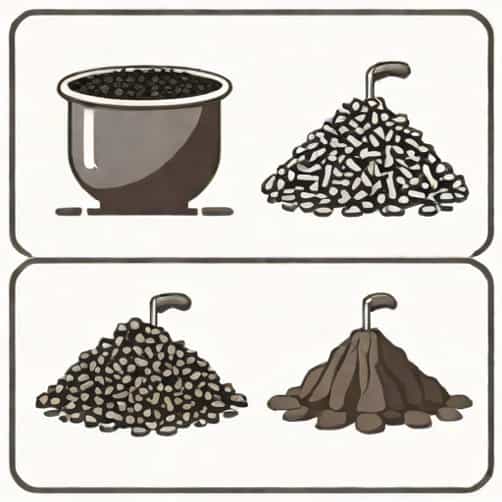
Coal is one of the most important natural resources in the world, serving as a primary source of energy for electricity generation and industrial processes. However, not all coal is the same. There are different types of coal, each with distinct properties, energy content, and uses. Two common types of coal are hard coal and lignite. Understanding the difference between hard coal and lignite is essential for industries, energy planners, and environmentalists who need to make informed decisions about energy production, efficiency, and environmental impact.
What is Hard Coal?
Hard coal, also known as anthracite, is a high-rank coal with a high carbon content and low moisture. It is formed over millions of years under high pressure and temperature, making it denser and harder than other types of coal. Hard coal has a shiny, glossy appearance and produces a higher energy output compared to lower-rank coals. Due to its high carbon content, it burns hotter and cleaner than other types of coal, releasing more energy per unit and producing fewer impurities.
Characteristics of Hard Coal
- High carbon content, typically between 86% and 97%.
- Low moisture content, usually less than 15%.
- Dense, hard, and shiny in appearance.
- High energy content, making it efficient for heating and electricity generation.
- Produces less smoke and fewer pollutants compared to lower-rank coals.
Uses of Hard Coal
Hard coal is mainly used in industries and power plants that require high energy efficiency. Its primary applications include
- Electricity generation in thermal power plants.
- Industrial processes such as steel production, where high temperatures are needed.
- Domestic heating in areas where anthracite is readily available.
- Production of coke, which is essential in metallurgy and chemical industries.
What is Lignite?
Lignite, often referred to as brown coal, is a lower-rank coal with a relatively high moisture content and lower carbon concentration. It forms from peat over a shorter geological period under lower pressure and temperature compared to hard coal. Lignite has a brownish-black appearance and is softer and more crumbly. Due to its high moisture content and lower carbon levels, lignite has a lower energy output and produces more smoke and pollutants when burned.
Characteristics of Lignite
- Lower carbon content, typically between 25% and 35%.
- High moisture content, ranging from 30% to 70%.
- Soft, crumbly texture with a brownish color.
- Low energy content compared to hard coal.
- Produces more smoke, ash, and pollutants due to incomplete combustion.
Uses of Lignite
Lignite is primarily used in situations where its lower energy content is acceptable, and large quantities are available. Common applications include
- Electricity generation in power plants located near lignite mines to reduce transportation costs.
- Industrial processes where moderate heat is sufficient.
- Limited domestic use in some regions for heating purposes.
Key Differences Between Hard Coal and Lignite
Understanding the differences between hard coal and lignite is essential for energy production, environmental considerations, and industrial applications. These differences can be categorized based on physical properties, energy content, formation process, and environmental impact.
- Carbon ContentHard coal has a high carbon content (86%-97%), while lignite has a lower carbon content (25%-35%).
- Moisture ContentHard coal has low moisture content (less than 15%), whereas lignite has high moisture content (30%-70%).
- Energy OutputHard coal produces more energy per unit due to its high carbon content; lignite produces less energy and requires more quantity for the same output.
- FormationHard coal forms over millions of years under high pressure and temperature; lignite forms over a shorter period under lower pressure and temperature.
- Physical AppearanceHard coal is dense, hard, and shiny; lignite is soft, crumbly, and brownish.
- Environmental ImpactHard coal burns cleaner and produces fewer pollutants; lignite produces more smoke, ash, and greenhouse gases.
- ApplicationsHard coal is used for high-efficiency electricity generation, steel production, and heating; lignite is mainly used for electricity generation near mines.
Environmental Considerations
The choice between hard coal and lignite has significant environmental implications. Burning lignite releases higher amounts of carbon dioxide, sulfur, and particulate matter due to its higher moisture and lower carbon content. This contributes to air pollution, greenhouse gas emissions, and climate change. Hard coal, although cleaner than lignite, still produces CO2 and other pollutants. Modern power plants use technologies such as scrubbers, filters, and carbon capture to reduce emissions, but coal combustion remains a major environmental concern.
Energy Efficiency and Sustainability
From an energy efficiency perspective, hard coal is preferable due to its higher energy output and lower moisture content. This means less coal is needed to produce the same amount of electricity, reducing mining and transportation demands. Lignite, despite its lower efficiency, is used in regions where it is abundant and cheap, and transporting it over long distances is economically unfeasible. Sustainable energy planning often considers alternatives to coal, such as natural gas, solar, and wind power, to reduce environmental impact and reliance on fossil fuels.
Economic Considerations
The economic difference between hard coal and lignite is also notable. Hard coal is more expensive due to its higher quality and energy content, making it suitable for industries and power plants that require efficient fuel. Lignite is cheaper and widely available in certain regions, making it a cost-effective option for local power generation despite its lower energy efficiency. Governments and energy companies weigh these economic and environmental factors when deciding on fuel sources for electricity generation.
hard coal and lignite are two distinct types of coal with significant differences in carbon content, moisture levels, energy output, formation, physical properties, environmental impact, and applications. Hard coal is dense, high in carbon, and produces more energy with fewer pollutants, making it suitable for high-efficiency energy production and industrial use. Lignite is softer, brownish, and lower in carbon, with higher moisture content, producing less energy and more emissions, but is often used near mines for cost-effective electricity generation. Understanding these differences helps industries, policymakers, and environmental planners make informed decisions about energy production, efficiency, and sustainability. By considering both economic and environmental factors, appropriate choices between hard coal and lignite can be made to meet energy demands while minimizing adverse effects on the environment.