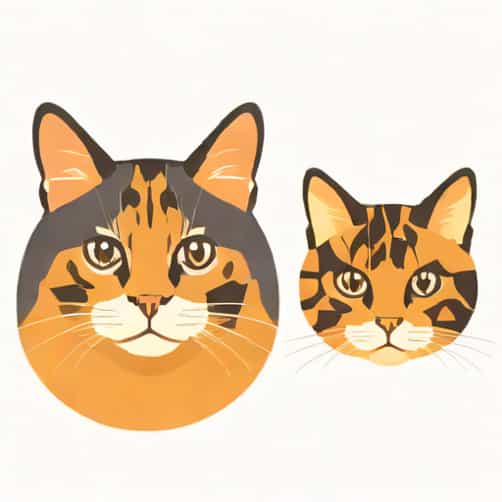
Cats come in a stunning variety of colors and patterns, and two of the most commonly admired coat types are calico and tortoiseshell. While many people might assume these two patterns are similar or even interchangeable, they are distinct in appearance, genetic traits, and symbolism. Understanding the difference between calico and tortoiseshell cats is important for pet owners, breeders, and cat enthusiasts who appreciate the subtle nuances of feline genetics and aesthetics. Each pattern has its own unique charm, history, and characteristics, making them fascinating to study and observe.
Defining Calico Cats
Calico cats are known for their tri-color coat pattern, which typically includes white, black, and orange patches. The white areas are usually dominant and create a clear contrast with the black and orange spots. This pattern is not linked to a specific breed, meaning calico cats can be found in many different breeds, from domestic shorthair to Persian and Maine Coon cats. The striking combination of three distinct colors makes calico cats easily recognizable and highly sought after by cat lovers.
Characteristics of Calico Cats
- Tri-Color PatternTrue calico cats have three colors, including a significant amount of white.
- Distinct PatchesThe color patches are clearly separated rather than blended.
- Breed VersatilityCalico patterns can appear in multiple cat breeds, not limited to one lineage.
- Female DominanceMost calico cats are female due to genetic factors associated with the X chromosome.
- Personality TraitsWhile coat color does not determine temperament, many owners describe calicos as lively, independent, and affectionate.
Defining Tortoiseshell Cats
Tortoiseshell cats, often called torties, have a coat characterized by a blend of black and orange or cream colors, with little to no white. Unlike calico cats, tortoiseshell coats are usually mottled or interwoven, creating a marbled or brindled appearance. This pattern is also not breed-specific and can be found in various breeds. Tortoiseshell cats are often appreciated for their rich, intricate coat patterns, which can give each cat a unique and striking look.
Characteristics of Tortoiseshell Cats
- Two-Color BlendTortoiseshell cats generally feature black and orange or black and cream without significant white areas.
- Mottled AppearanceThe colors are often intermingled rather than appearing in distinct patches.
- Breed VersatilityTorties can be found across many different cat breeds.
- Female PredominanceLike calicos, most tortoiseshell cats are female due to genetics linked to the X chromosome.
- Personality TraitsOwners often describe torties as feisty, intelligent, and playful, although personality varies individually.
Genetic Differences
The main difference between calico and tortoiseshell cats lies in their genetic makeup. Both patterns are primarily determined by the X chromosome, which carries the orange and black color genes. Female cats have two X chromosomes, allowing the expression of both black and orange colors. Male cats, having only one X chromosome, rarely display these patterns unless they have a rare genetic condition, such as Klinefelter syndrome (XXY), which allows them to show calico or tortoiseshell coloring.
Genetics of Calico Cats
- Calico cats require two X chromosomes to produce the three-color pattern.
- The presence of white is caused by a separate gene that controls pigmentation distribution.
- Most calicos are female because the combination of two X chromosomes is necessary to express the tri-color pattern.
Genetics of Tortoiseshell Cats
- Tortoiseshell cats also require two X chromosomes for the black and orange blending.
- The absence or minimal presence of white differentiates torties from calicos genetically.
- Like calicos, male tortoiseshell cats are extremely rare due to chromosomal limitations.
Appearance Comparison
Visually, calico and tortoiseshell cats can be distinguished by the amount of white present and the pattern of color distribution. Calico cats have large, distinct patches of white, black, and orange, giving them a piebald or patchwork look. Tortoiseshell cats, by contrast, feature black and orange colors mixed together in a more blended, brindled fashion, with very little or no white.
Calico Cat Appearance
- Large, separate patches of black, orange, and white.
- White is a prominent part of the pattern.
- Color boundaries are more defined and less blended.
Tortoiseshell Cat Appearance
- Interwoven black and orange colors.
- White is minimal or absent.
- Colors appear more marbled or speckled.
Cultural and Symbolic Differences
Calico and tortoiseshell cats have different cultural associations and superstitions. Calico cats are often considered lucky in many cultures, particularly in Japan, where they are called maneki-neko and believed to bring good fortune. Tortoiseshell cats, while also admired, are sometimes associated with a fiery temperament and independent spirit, reflecting their mottled and striking coat.
Calico Symbolism
- Considered lucky and auspicious in many cultures.
- Often associated with prosperity and good fortune.
- Celebrated for their distinctive, vibrant appearance.
Tortoiseshell Symbolism
- Associated with a strong-willed and feisty personality.
- Admired for unique and striking coat patterns.
- Seen as independent and resilient, reflecting their bold appearance.
While calico and tortoiseshell cats may appear similar at first glance, they differ in color patterns, genetic traits, and cultural symbolism. Calicos feature distinct patches of black, orange, and white, while tortoiseshells blend black and orange in a marbled or mottled pattern with little to no white. Both patterns are mostly seen in female cats due to genetic reasons, and each brings its own charm, personality associations, and aesthetic appeal. Understanding these differences can enhance appreciation for these beautiful felines, guide potential pet owners in choosing a cat, and provide insight into the fascinating genetics behind feline coat patterns.