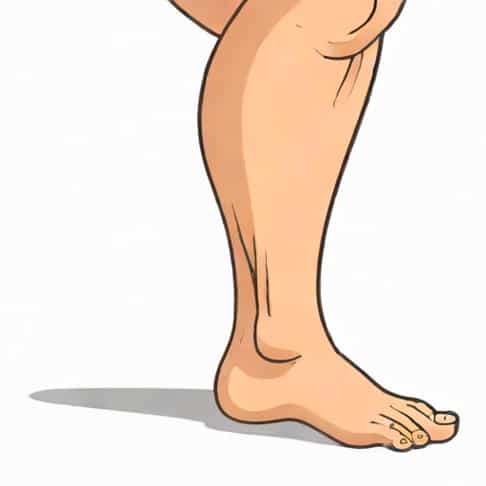
Noticing a dent in the calf muscle when flexed can be alarming for many people, especially athletes or individuals who frequently engage in physical activity. While it may seem like a minor cosmetic concern, a dent in the calf muscle can sometimes indicate an underlying issue ranging from muscle injury to structural anomalies. Understanding the possible causes, symptoms, and treatment options is essential for both prevention and effective management. This topic delves into why a dent may appear in the calf muscle when flexed, how it relates to muscle anatomy, and what steps you can take to address it safely.
Anatomy of the Calf Muscle
The calf is composed primarily of two muscles the gastrocnemius and the soleus. The gastrocnemius is the larger, more prominent muscle that gives the calf its shape and is responsible for flexing the ankle and knee. The soleus lies beneath the gastrocnemius and assists in movements like standing and walking. Both muscles work together to provide strength, stability, and mobility. A dent in the calf may occur in the gastrocnemius because it is more superficial and visibly contracts during flexion.
Understanding Muscle Flexion
Flexing the calf muscle involves contracting the gastrocnemius, which shortens and thickens the muscle, while the tendons and surrounding tissues adjust to maintain function. Normally, this produces a smooth, rounded appearance. However, certain conditions or injuries can cause an uneven muscle surface, resulting in a dent or depression that becomes noticeable when the muscle is flexed.
Common Causes of a Dent in the Calf Muscle
Several factors can lead to a visible dent in the calf muscle, ranging from minor to more serious conditions. Understanding these causes can help determine whether medical attention is necessary.
Muscle Strain or Tear
One of the most common causes of a dent is a muscle strain or partial tear. When the muscle fibers are damaged due to overstretching or excessive force, some fibers may retract or heal unevenly, leaving a small indentation. This is particularly common among athletes, runners, or individuals who suddenly increase the intensity of physical activity.
Muscle Atrophy
Muscle atrophy refers to a reduction in muscle mass, often caused by inactivity, injury, or neurological conditions. When parts of the calf muscle atrophy unevenly, a dent may appear when the muscle is flexed. This condition can affect strength and mobility, making early intervention important.
Previous Injury or Surgery
Scar tissue from previous injuries or surgical procedures in the lower leg can cause indentations. Scar tissue may prevent uniform contraction of the muscle, leading to a visible dent during flexion. This is typically harmless but can affect muscle performance in some cases.
Structural Variations
Some individuals naturally have minor asymmetries or depressions in their muscles due to genetic or anatomical variations. These structural differences are usually harmless and do not indicate an underlying medical problem. However, any sudden appearance of a new dent should be evaluated to rule out injury.
Symptoms Associated with a Calf Dent
A dent in the calf may be accompanied by other symptoms, depending on the underlying cause. These can include
- Pain or tenderness around the affected area
- Swelling or bruising
- Weakness or reduced muscle strength
- Difficulty walking or performing calf exercises
- Muscle spasms or cramping
While minor cosmetic dents without pain are often harmless, dents accompanied by pain, swelling, or loss of function may indicate a more serious issue that requires medical attention.
Diagnosis and Medical Evaluation
If a dent in the calf is concerning, a healthcare professional can evaluate the condition to determine the underlying cause. Diagnosis may include
Physical Examination
The doctor will inspect and palpate the calf muscle, assessing for tenderness, swelling, and asymmetry. They may ask the patient to flex and extend the calf to observe how the muscle contracts.
Imaging Studies
In some cases, imaging tests such as ultrasound or MRI may be recommended to visualize muscle fibers, tendons, and any potential tears or abnormalities. These tests help differentiate between minor cosmetic dents and more serious injuries like partial tears or atrophy.
Functional Assessment
A physical therapist or physician may evaluate muscle strength, range of motion, and functional performance to determine how the dent affects daily activities or athletic performance.
Treatment Options
Treatment depends on the underlying cause of the dent. Most cases resolve with conservative management, but more severe issues may require specialized care.
Rest and Activity Modification
For minor strains or overuse injuries, rest and modification of physical activity can allow the muscle to heal naturally. Avoiding high-impact exercises or movements that exacerbate the dent can prevent further damage.
Physical Therapy
Targeted exercises can strengthen the surrounding muscles, improve blood flow, and restore symmetry. Stretching and resistance training may help reduce the appearance of the dent over time.
Medical Interventions
In cases of significant muscle tears or atrophy, a physician may recommend medical treatments such as anti-inflammatory medication, corticosteroid injections, or, in rare cases, surgical repair. Early intervention improves outcomes and helps restore normal muscle function.
Prevention Tips
Preventing a dent in the calf muscle primarily involves maintaining healthy muscle function and avoiding injury
- Warm up properly before exercise and stretch regularly
- Gradually increase exercise intensity to avoid overstretching or tearing muscle fibers
- Strengthen calf muscles through targeted exercises like calf raises
- Maintain balanced nutrition to support muscle growth and recovery
- Address minor injuries promptly to prevent long-term structural changes
When to Seek Medical Attention
While many dents in the calf muscle are harmless, you should seek medical evaluation if you experience
- Sudden or severe pain in the calf
- Rapid swelling or bruising
- Loss of strength or difficulty walking
- Visible deformity or worsening of the dent over time
Prompt assessment ensures that underlying issues are addressed and prevents further complications.
A dent in the calf muscle when flexed can result from a variety of causes, including minor injuries, muscle atrophy, structural variations, or previous surgeries. While some dents are harmless and purely cosmetic, others may indicate muscle damage or underlying medical conditions. Understanding the anatomy of the calf, recognizing associated symptoms, and seeking appropriate medical evaluation are essential steps in managing the condition effectively. With proper care, physical therapy, and preventive measures, most individuals can restore muscle function, reduce the appearance of the dent, and maintain strong and healthy calf muscles for daily activities and athletic performance.