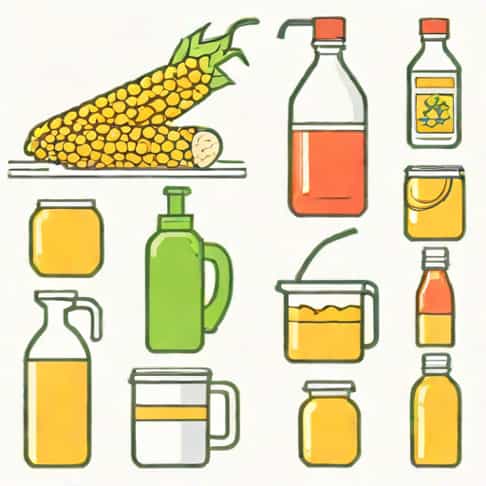
High fructose corn syrup (HFCS) is a common sweetener found in many processed foods and beverages, including soft drinks, candies, baked goods, and condiments. While it is widely used in the food industry due to its low cost and high sweetness, there has been growing concern over the potential negative health effects of excessive consumption. Understanding the cons of high fructose corn syrup can help consumers make informed dietary choices and better manage their long-term health. The following discussion explores the various health, metabolic, and societal concerns associated with HFCS.
What is High Fructose Corn Syrup?
High fructose corn syrup is a liquid sweetener derived from corn starch. It is processed to convert some of its glucose into fructose, creating a mixture that is sweeter than regular corn syrup. The most common forms of HFCS contain either 42% or 55% fructose, with the remainder being glucose. Its sweetness, affordability, and ability to extend shelf life have made HFCS a popular alternative to sugar in the food industry.
Widespread Use in Foods
HFCS is found in a wide range of products, such as
- Soft drinks and fruit-flavored beverages
- Packaged snacks and baked goods
- Breakfast cereals
- Condiments like ketchup and salad dressings
- Candies and sweetened dairy products
Because it is so prevalent, HFCS contributes significantly to daily sugar intake for many individuals, often without their awareness.
Health Concerns of High Fructose Corn Syrup
Although HFCS is chemically similar to table sugar, its high fructose content may have unique effects on metabolism and health. Research has highlighted several potential cons of high fructose corn syrup consumption, particularly when consumed in excess.
Obesity and Weight Gain
One of the most widely discussed concerns is the link between HFCS and obesity. Fructose is metabolized differently from glucose, primarily by the liver, where it can be converted into fat. Excessive HFCS consumption can lead to increased caloric intake and fat accumulation, contributing to obesity over time. Studies have found correlations between high consumption of sugary beverages containing HFCS and rising obesity rates, particularly in children and adolescents.
Increased Risk of Type 2 Diabetes
Consuming large amounts of HFCS may also increase the risk of insulin resistance and type 2 diabetes. High fructose intake can affect how the body regulates blood sugar and insulin, potentially leading to metabolic syndrome. Unlike glucose, fructose does not stimulate insulin secretion directly, which may disrupt the body’s natural mechanisms for controlling blood sugar and energy balance.
Liver Damage and Non-Alcoholic Fatty Liver Disease
Because fructose is primarily metabolized in the liver, excessive intake can lead to liver stress and fat buildup, increasing the risk of non-alcoholic fatty liver disease (NAFLD). NAFLD can progress to inflammation, liver damage, and even cirrhosis in severe cases. HFCS consumption, especially from sugary drinks and processed foods, has been linked to higher rates of liver fat accumulation compared to other forms of sugar.
Heart Health Concerns
High intake of HFCS may negatively affect cardiovascular health. Excessive fructose can raise triglyceride levels, contributing to a higher risk of heart disease. In addition, high sugar consumption has been associated with increased blood pressure and markers of inflammation, both of which are risk factors for cardiovascular problems. Individuals who consume large amounts of processed foods and sugary beverages may be particularly vulnerable.
Dental Health Issues
HFCS is also a significant contributor to dental problems. Sugars from HFCS provide a food source for bacteria in the mouth, leading to the production of acids that erode tooth enamel. This can result in cavities, tooth decay, and gum disease. Since HFCS is present in many beverages and sweetened foods, frequent consumption without proper dental hygiene can exacerbate these issues.
Metabolic and Hormonal Effects
In addition to the physical health risks, HFCS can impact hormones and appetite regulation. Fructose does not stimulate leptin, a hormone that signals fullness, as effectively as glucose. This may lead to overeating because the body’s natural satiety signals are weakened. Over time, this hormonal imbalance can contribute to weight gain, metabolic syndrome, and other diet-related health issues.
Potential Links to Gout and Inflammation
High fructose intake has also been linked to increased uric acid levels, which can lead to gout, a type of painful arthritis. Fructose metabolism produces uric acid as a byproduct, and excessive consumption may exacerbate inflammation and joint pain. Chronic inflammation is also associated with a higher risk of other diseases, including type 2 diabetes and cardiovascular problems.
Societal and Economic Concerns
Beyond individual health risks, the widespread use of HFCS has societal and economic implications. Its low cost encourages overconsumption, contributing to public health challenges such as obesity epidemics, diabetes, and liver disease. Healthcare systems may face higher costs related to managing these chronic conditions. Additionally, the heavy reliance on HFCS in processed foods has raised questions about food quality, nutrition, and long-term dietary habits in modern societies.
Environmental Considerations
Producing HFCS also has environmental implications. The industrial process relies on large-scale corn farming, which can contribute to soil depletion, pesticide use, and water consumption. This environmental footprint adds another layer of concern about the sustainability of relying heavily on HFCS in the global food supply.
How to Minimize High Fructose Corn Syrup Intake
Reducing HFCS consumption can help mitigate its health risks. Some practical steps include
- Reading food labels carefully to identify HFCS in ingredients lists.
- Choosing whole, unprocessed foods over packaged snacks and sugary beverages.
- Substituting sugary drinks with water, herbal teas, or fresh fruit juices.
- Using natural sweeteners like honey or maple syrup in moderation.
- Encouraging policies and educational initiatives to raise awareness about HFCS and its potential health impacts.
High fructose corn syrup is a widely used sweetener that offers convenience and affordability but comes with several potential cons. Excessive consumption has been linked to obesity, type 2 diabetes, non-alcoholic fatty liver disease, heart disease, dental issues, hormonal imbalances, and increased uric acid levels. Beyond individual health, HFCS raises societal, economic, and environmental concerns due to its prevalence in processed foods and reliance on large-scale corn production. Awareness of these risks and mindful dietary choices can help individuals reduce HFCS intake and promote better long-term health. By understanding the cons of high fructose corn syrup, consumers can make informed decisions about what they eat and how it affects their bodies and the broader environment.