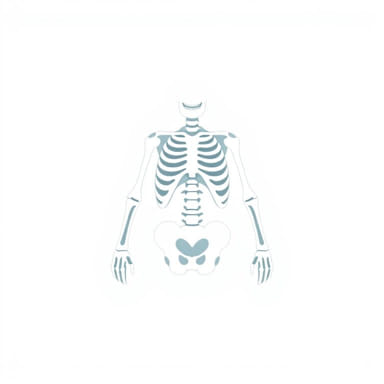
Bones are the foundation of our skeletal system, providing structure, support, and protection for vital organs. However, certain medical conditions can weaken or damage bones, leading to discomfort, fractures, and reduced mobility. These conditions, often referred to as bone deterioration diseases, can occur due to aging, nutrient deficiencies, hormonal imbalances, or genetic factors. Knowing the names and characteristics of these diseases can help in early detection, prevention, and treatment, ensuring healthier bones throughout life.
Osteoporosis
Osteoporosis is one of the most well-known bone deterioration diseases. It causes bones to become porous and fragile, increasing the risk of fractures. This condition is more common in older adults, especially postmenopausal women, due to decreased estrogen levels. Osteoporosis often develops silently over years, with fractures being the first noticeable sign. Lifestyle changes, calcium and vitamin D intake, and weight-bearing exercises are essential in managing and preventing osteoporosis.
Osteomalacia
Osteomalacia is characterized by the softening of bones due to a severe vitamin D deficiency. Without adequate vitamin D, the body cannot properly absorb calcium, leading to weak and soft bones. In children, this condition is known as rickets. Symptoms include bone pain, muscle weakness, and difficulty walking. Treatment usually involves vitamin D supplementation and improving sun exposure.
Paget’s Disease of Bone
Paget’s disease of bone is a chronic disorder where the normal bone remodeling process is disrupted. Old bone breaks down faster than it should, and new bone is formed in an abnormal way, leading to misshapen and fragile bones. It can affect any part of the skeleton, but the pelvis, skull, spine, and legs are most commonly involved. Medications such as bisphosphonates can help slow the progression of the disease.
Osteogenesis Imperfecta
Also called brittle bone disease, osteogenesis imperfecta is a rare genetic condition that affects collagen production, making bones extremely fragile. People with this disease may experience frequent fractures, bone deformities, and growth problems. There are different types of osteogenesis imperfecta, ranging from mild to severe. Treatment focuses on preventing fractures, physical therapy, and in some cases, surgical intervention.
Osteomyelitis
Osteomyelitis is a bone infection, usually caused by bacteria. It can occur when an infection in another part of the body spreads to the bone or through an open wound. Symptoms include fever, localized pain, swelling, and redness over the affected bone. Early diagnosis and antibiotic treatment are crucial to prevent permanent bone damage.
Fibrous Dysplasia
Fibrous dysplasia is a rare condition where normal bone is replaced by fibrous tissue, causing structural weakness and deformities. It can affect one bone (monostotic) or multiple bones (polyostotic). The exact cause is unknown, but it is linked to genetic mutations. Treatment may involve surgery to correct deformities or stabilize weakened bones.
Multiple Myeloma
Multiple myeloma is a type of blood cancer that develops in plasma cells and often affects bones. The cancerous cells produce abnormal proteins that can damage bone tissue, leading to bone pain, fractures, and hypercalcemia (high calcium levels). Treatment may include chemotherapy, targeted therapy, radiation, and bone-strengthening medications.
Hyperparathyroidism-Related Bone Loss
Hyperparathyroidism occurs when the parathyroid glands produce too much parathyroid hormone (PTH), leading to excessive calcium release from bones into the bloodstream. This results in bone thinning and a higher risk of fractures. Surgical removal of overactive parathyroid glands is often the most effective treatment.
Bone Deterioration in Arthritis
Some forms of arthritis, such as rheumatoid arthritis, can cause progressive bone deterioration around joints. Chronic inflammation leads to the breakdown of bone and cartilage, resulting in pain, stiffness, and reduced function. Early treatment with anti-inflammatory and disease-modifying drugs can slow this damage.
Other Rare Bone Deterioration Conditions
- Hypophosphatasia– A genetic disorder affecting bone mineralization, leading to soft and brittle bones.
- Osteopetrosis– A condition where bones become overly dense and prone to fracture due to abnormal bone remodeling.
- Metastatic Bone Disease– Occurs when cancer from other parts of the body spreads to the bones.
Prevention and Bone Health Maintenance
While some bone deterioration diseases are genetic or unavoidable, many can be prevented or slowed through healthy lifestyle choices. Key preventive measures include
- Maintaining adequate calcium and vitamin D intake
- Engaging in regular weight-bearing exercises
- Avoiding smoking and excessive alcohol consumption
- Managing chronic health conditions that can affect bone health
- Undergoing regular bone density screenings for early detection
When to Seek Medical Advice
It is important to consult a healthcare professional if you experience persistent bone pain, unexplained fractures, or changes in posture and mobility. Early diagnosis can make a significant difference in managing bone deterioration diseases, preventing severe complications, and maintaining quality of life.
Understanding the various bone deterioration disease names and their characteristics is crucial for awareness, prevention, and treatment. From osteoporosis to rare genetic disorders, each condition requires a different approach to care. By staying informed and proactive about bone health, it is possible to reduce the risk of serious bone damage and maintain mobility and independence well into later life.