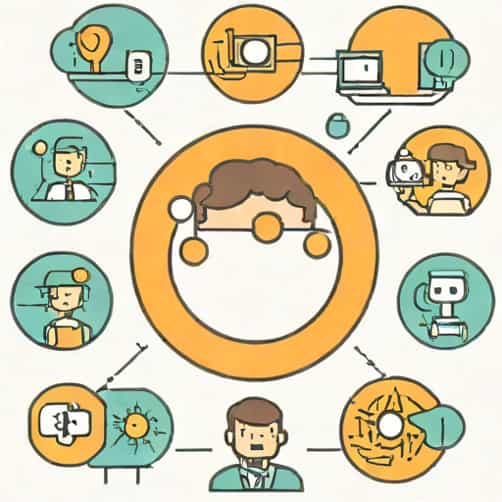
Behavior is a complex phenomenon influenced by numerous internal and external factors. One key principle in behavioral science is that behavior is often elicited by antecedent stimuli. This concept, rooted in psychology and behavioral theory, suggests that specific environmental cues or events occurring before a behavior can trigger that behavior. Understanding how antecedent stimuli function is critical in fields such as education, therapy, workplace management, and behavioral research. By identifying and analyzing these triggers, professionals can better predict, encourage, or modify behavior, leading to more effective interventions and outcomes. Recognizing the role of antecedents emphasizes that behavior does not occur in isolation but is closely connected to the surrounding environment.
Defining Antecedent Stimuli
Antecedent stimuli are events, conditions, or cues that occur prior to a behavior and influence the likelihood of that behavior happening. They serve as signals that can either encourage or discourage a particular response. In simple terms, antecedents are the triggers that set the stage for a behavior to occur. These stimuli can be visual, auditory, tactile, or even internal, such as thoughts and emotions. For example, a teacher’s instruction, a traffic light turning green, or a sound alert on a smartphone can all act as antecedent stimuli that elicit specific behaviors.
Types of Antecedent Stimuli
- Discriminative Stimuli (SD)Signals that a particular response will be reinforced. For example, a push sign on a door indicates the correct action.
- Setting EventsContextual factors that influence behavior indirectly, such as time of day, social environment, or physical conditions.
- Motivating OperationsEvents that alter the value of a reinforcer, making a behavior more or less likely. For instance, hunger increases the likelihood of food-seeking behavior.
Understanding these types of antecedent stimuli helps in designing strategies for behavior modification, whether in classrooms, clinical settings, or everyday life.
Behavioral Principles Related to Antecedent Stimuli
The concept that behavior is elicited by antecedent stimuli is central to several behavioral theories, including classical conditioning, operant conditioning, and applied behavior analysis. These principles explain how behaviors can be learned, modified, and maintained through environmental cues and consequences.
Classical Conditioning
In classical conditioning, a neutral stimulus becomes associated with a meaningful stimulus, eventually eliciting a response on its own. The neutral stimulus serves as an antecedent that triggers a conditioned behavior. For example, in Pavlov’s experiments, the sound of a bell (neutral stimulus) became an antecedent that elicited salivation (behavior) in dogs after repeated association with food. This illustrates how antecedent stimuli can directly influence involuntary or reflexive behaviors.
Operant Conditioning
Operant conditioning focuses on voluntary behaviors and how they are influenced by consequences. Antecedent stimuli play a crucial role in signaling which behaviors will be reinforced or punished. Discriminative stimuli, as mentioned earlier, inform an individual that a certain behavior is likely to lead to a positive outcome. For example, a green traffic light serves as an antecedent stimulus that signals drivers it is safe to proceed. Understanding antecedent-behavior relationships in operant conditioning is essential for shaping and maintaining desired behaviors.
Applied Behavior Analysis (ABA)
Applied Behavior Analysis is a therapeutic approach that systematically uses antecedent and consequent strategies to modify behavior. In ABA, identifying antecedent stimuli is a first step in understanding why a behavior occurs. Once antecedents are identified, interventions can be implemented to prevent undesired behaviors or promote desirable ones. For example, a therapist working with a child with autism might adjust antecedent stimuli in the environment to reduce tantrums and encourage appropriate communication behaviors.
Practical Applications
The concept that behavior is elicited by antecedent stimuli has numerous real-world applications across different domains. Recognizing and manipulating antecedent stimuli can improve learning, enhance productivity, and foster positive behavioral outcomes.
Education
Teachers can use antecedent stimuli to encourage appropriate classroom behavior. Clear instructions, visual cues, structured routines, and scheduled prompts act as antecedents that signal desired behaviors. For example, a teacher may use a timer as an antecedent to indicate the start of reading time, prompting students to focus on their books. This approach helps manage behavior proactively rather than reacting to misbehavior after it occurs.
Workplace Management
In workplace settings, antecedent stimuli can be used to increase productivity and maintain professional behavior. Clear job expectations, visual reminders, checklists, and schedules serve as antecedents that guide employees toward desired actions. By designing the environment with these triggers in mind, managers can reduce errors, improve efficiency, and enhance overall performance.
Therapy and Behavior Modification
Therapists and behavior analysts use antecedent strategies to prevent problem behaviors and promote adaptive skills. Adjusting environmental cues, providing prompts, and setting up structured routines are common techniques. For instance, placing a homework checklist on a child’s desk acts as an antecedent stimulus to increase the likelihood of task completion. This proactive approach reduces reliance on punishment and focuses on positive behavior support.
Daily Life
Even in everyday life, recognizing antecedent stimuli can help individuals modify habits and behaviors. Setting out workout clothes the night before, keeping healthy snacks visible, or turning off notifications while working are examples of using antecedents to elicit desired behavior and avoid undesired responses. By controlling antecedent stimuli, people can create environments that naturally encourage productive and positive actions.
Strategies for Managing Antecedent Stimuli
Effectively managing antecedent stimuli involves both identifying triggers and designing interventions that promote positive behaviors while reducing negative ones. Some strategies include
- Conducting a functional analysis to determine which antecedents elicit specific behaviors.
- Altering environmental cues to encourage desired behaviors.
- Providing clear instructions, signals, and prompts before the behavior occurs.
- Using motivating operations to increase the likelihood of adaptive behaviors.
- Minimizing exposure to antecedents that trigger undesired behaviors.
Implementing these strategies allows individuals and professionals to shape behavior in a structured and effective manner.
Understanding that behavior is elicited by antecedent stimuli is a fundamental principle in psychology and behavioral science. Antecedent stimuli serve as triggers that signal when and how a behavior is likely to occur. From classical conditioning to operant learning and applied behavior analysis, recognizing the role of antecedents helps predict, influence, and modify behavior in a variety of contexts. Whether in education, therapy, workplace management, or daily life, effectively identifying and managing antecedent stimuli enhances positive behavioral outcomes and minimizes undesirable actions. By leveraging the power of antecedents, individuals and professionals can create environments that support growth, learning, and adaptive behavior, highlighting the profound impact of environmental cues on human actions.