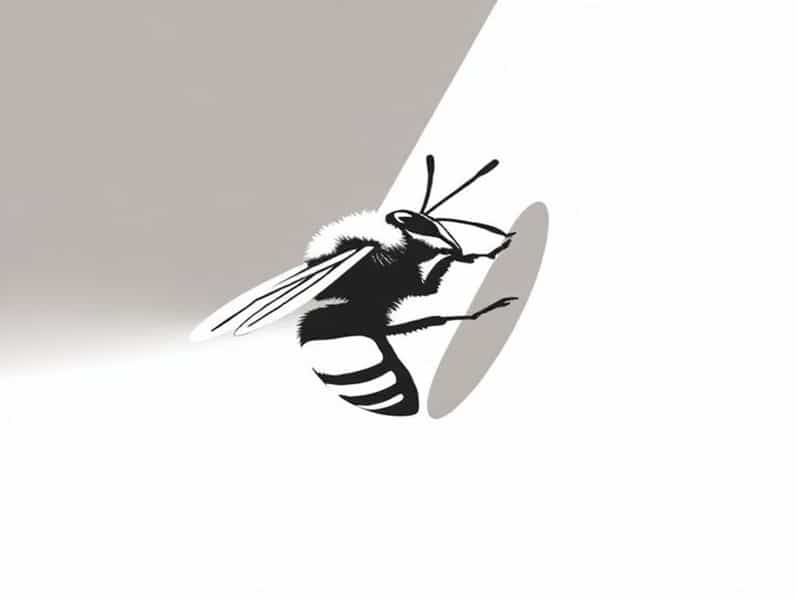
The bald-faced hornet is a striking and often misunderstood insect known for its black and white coloring and aggressive behavior when defending its nest. While it may look intimidating, understanding the habitat and behavior of these hornets is essential for both appreciating their role in the ecosystem and taking necessary precautions around them. These hornets are not just aggressive defenders; they play a significant role in controlling insect populations, making them important players in their natural habitats.
Overview of Bald-Faced Hornets
Bald-faced hornets, scientifically known asDolichovespula maculata, are actually a type of yellowjacket wasp despite their name. They are recognized by their distinctive black body with white markings on the face and the tip of the abdomen. Unlike typical wasps that have yellow and black stripes, bald-faced hornets have a more contrasting color pattern, which makes them easily distinguishable. They are social insects that live in colonies and are known for building large, aerial, paper-like nests.
Physical Characteristics
- Color Predominantly black with white markings on the face, thorax, and abdomen tip.
- Size Workers typically range from 12 to 20 millimeters, while queens can be larger, reaching up to 25 millimeters.
- Wings Transparent with a slight brown tint.
- Stinger Like other wasps, they can sting multiple times and are highly defensive near their nest.
Typical Habitats
Bald-faced hornets are found primarily in North America, from southern Canada to the northern United States. They prefer areas with plenty of trees or shrubs, which provide suitable locations for constructing their nests. While they are adaptable and can live in various environments, they generally avoid extremely dry or wet areas. The location of the nest plays a critical role in the survival of the colony, providing protection from weather and predators.
Common Nesting Sites
- Trees and ShrubsHornets frequently build their nests in deciduous or coniferous trees. These elevated locations help protect the colony from ground predators.
- Buildings and StructuresOccasionally, bald-faced hornets construct nests on the eaves of houses, under decks, or near other man-made structures.
- Open SpacesNests are usually in locations with open space around the entrance to allow hornets to fly in and out easily.
Structure of the Nest
The nest of a bald-faced hornet is one of its most fascinating features. Made from a paper-like substance created by chewing wood fibers mixed with saliva, the nest can grow quite large, sometimes exceeding 20 inches in length. The outer layer is smooth and grayish, protecting the inner hexagonal cells where the eggs are laid and larvae develop.
Internal Nest Organization
- LayersThe nest is composed of multiple layers of paper-like material, which insulates and protects the colony.
- CellsInside, the hexagonal cells house eggs, larvae, and pupae. The queen typically resides deep within the nest.
- Colony SizeA mature colony can consist of several hundred to over a thousand individuals, including workers, drones, and a queen.
Behavior and Ecology
Bald-faced hornets are highly social and have a structured colony with a division of labor. Workers forage for food, maintain the nest, and defend the colony. Their diet primarily consists of nectar, fruit, and other insects, which they hunt to feed the larvae. This makes them valuable for controlling pest populations such as flies, caterpillars, and other harmful insects.
Defensive Behavior
One of the reasons bald-faced hornets are feared is their aggressive defense of the nest. If a person or animal approaches too closely, hornets can sting repeatedly, releasing pheromones that alert other hornets to the threat. Despite their aggression, hornets are generally not aggressive away from their nest and will focus on foraging unless provoked.
Seasonal Life Cycle
- SpringThe queen starts a new colony by laying the first batch of eggs.
- SummerWorkers emerge and expand the nest, taking on foraging and nest maintenance duties.
- FallThe colony reaches its peak size, and new queens and males are produced.
- WinterMost of the colony dies off, except for newly mated queens who hibernate until the next spring.
Interactions with Humans
While bald-faced hornets can be intimidating, understanding their habitat and behavior helps reduce unnecessary risks. Avoid disturbing their nests and be cautious in areas where they are known to forage. Pest control may be necessary if nests are built too close to human activity, but professional removal is recommended due to the hornets’ defensive nature.
Safety Tips
- Keep a safe distance from nests and avoid loud noises or sudden movements near them.
- Wear protective clothing if you need to work near potential nesting areas.
- Consider calling a professional exterminator if the nest is close to homes or high-traffic areas.
- Avoid squashing individual hornets, as this can trigger a defensive swarm response.
Importance in the Ecosystem
Bald-faced hornets, despite their aggressive behavior, play a crucial ecological role. They help control insect populations, including pests that damage crops or spread disease. Additionally, by foraging on nectar, they contribute to pollination. Understanding their habitat preferences and behaviors allows humans to coexist safely while appreciating the ecological benefits these insects provide.
The bald-faced hornet is a remarkable insect whose distinctive black-and-white appearance and aggressive nest defense often overshadow its ecological importance. By understanding the typical habitats, nesting behaviors, and life cycle of these hornets, individuals can appreciate their role in nature while taking precautions to avoid conflicts. Whether observed in trees, shrubs, or occasionally near human structures, bald-faced hornets demonstrate the intricate balance of social insects and the importance of their habitats in maintaining ecological stability. Awareness and respect for their behavior help ensure safety for both humans and hornets, highlighting the need for knowledge about these fascinating creatures.