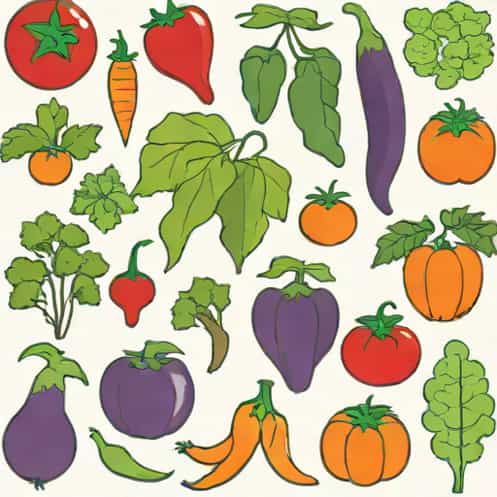
Nightshade vegetables are a fascinating and diverse group of plants that belong to the Solanaceae family, which includes many common foods that we encounter daily. These vegetables are known not only for their culinary versatility but also for their rich nutritional content, offering a range of vitamins, minerals, and antioxidants. While some nightshades are staples in kitchens worldwide, others are less commonly recognized but equally valuable in a healthy diet. Understanding which vegetables fall into the nightshade category can help individuals make informed dietary choices, whether for nutritional benefits or to manage sensitivities associated with certain compounds found in these plants.
Introduction to Nightshade Vegetables
Nightshade vegetables include a wide variety of plants, many of which are integral to global cuisines. They are characterized by containing alkaloids, which are natural chemical compounds that can have effects on the human body. Some people may be sensitive to these compounds, experiencing inflammation or digestive discomfort, while for most, nightshades are safe and nutritious. Commonly consumed nightshades provide essential nutrients such as vitamin C, potassium, folate, and antioxidants like lycopene and anthocyanins.
Health Benefits of Nightshade Vegetables
Nightshade vegetables are associated with numerous health benefits. They are low in calories and high in dietary fiber, which supports digestive health. Lycopene found in tomatoes has been studied for its antioxidant properties, which may reduce the risk of chronic diseases. Peppers, including bell peppers and chili peppers, are rich in vitamin C and capsaicin, contributing to immune support and metabolism regulation. Additionally, eggplants contain anthocyanins that may support cardiovascular health. Despite concerns for some individuals, for the majority, nightshades are valuable additions to a balanced diet.
Common Nightshade Vegetables
The most commonly recognized nightshade vegetables are widely available in grocery stores and are frequently used in various dishes. These include
- TomatoesFresh, canned, or in sauces, tomatoes are a staple in global cuisines, rich in lycopene and vitamin C.
- PotatoesWhile often associated with comfort foods, potatoes provide potassium, vitamin B6, and fiber, particularly when eaten with the skin.
- EggplantsAlso known as aubergines, eggplants are versatile in cooking and contain antioxidants that support heart health.
- Bell PeppersAvailable in red, yellow, green, and orange varieties, these peppers are high in vitamins A and C.
- Chili PeppersSpicy varieties such as jalapeños, habaneros, and cayenne peppers contain capsaicin, which may promote metabolism and pain relief.
Less Common Nightshades
In addition to the familiar nightshades, there are other vegetables that fall into this category but may not be as widely recognized. These include
- TomatillosOften used in Mexican cuisine, tomatillos resemble small green tomatoes and provide vitamin C and antioxidants.
- Goji BerriesWhile usually classified as a fruit, goji berries are nightshades and are packed with vitamins, minerals, and antioxidants.
- OkraCommon in Southern and African cuisines, okra is nutrient-rich and contains fiber and vitamins.
- Peppers of various kindsBeyond bell and chili peppers, nightshade includes other pepper varieties used in cooking worldwide.
Nightshades and Dietary Considerations
While nightshade vegetables are nutritious, some individuals may need to monitor or limit their intake. People with autoimmune conditions or sensitivities may find that nightshades exacerbate inflammation or digestive issues due to the alkaloids present. Common symptoms associated with nightshade sensitivity can include joint pain, digestive discomfort, or skin reactions. For those affected, consulting with a healthcare professional and potentially adopting an elimination diet can help identify problematic foods.
Incorporating Nightshades Into a Balanced Diet
For most people, nightshade vegetables can be a healthy and enjoyable part of a balanced diet. Here are some tips for incorporating them
- Variety is KeyInclude a range of nightshades to obtain diverse nutrients and flavors.
- Cooking MethodsRoasting, grilling, or steaming can enhance flavors while retaining nutritional content.
- Pair with Other VegetablesCombining nightshades with leafy greens, legumes, and whole grains ensures a nutrient-dense meal.
- Mind Portion SizesParticularly for sensitive individuals, starting with small portions can help assess tolerance.
Summary of Nightshade Vegetables
Nightshade vegetables encompass a wide array of plants, from the well-known tomatoes, potatoes, and peppers to less common varieties like tomatillos and goji berries. They provide essential nutrients, antioxidants, and fiber, making them a valuable addition to a healthy diet. While some people may experience sensitivities, for most, the benefits of nightshades outweigh potential concerns. Being informed about which vegetables are nightshades allows individuals to make better dietary decisions, enjoy flavorful meals, and harness the nutritional benefits these plants offer.
Understanding the nightshade family and the variety of vegetables it includes is important for anyone interested in nutrition and cooking. From everyday staples like tomatoes and potatoes to unique options such as tomatillos and goji berries, nightshades offer versatility, flavor, and health benefits. Whether consumed raw, cooked, or incorporated into sauces and dishes, these vegetables can be a significant part of a balanced diet. By exploring a list of nightshade vegetables and understanding their nutritional profiles, people can make informed choices that support both taste and wellness in their daily lives.