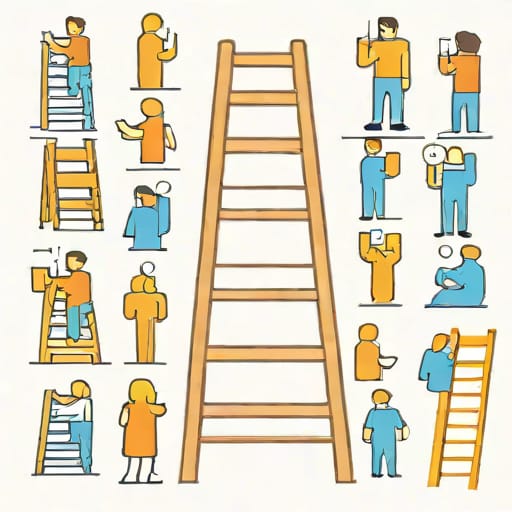
A ladder of citizen participation is a helpful way to imagine how community involvement in decision making can grow from minimal engagement to meaningful power. The metaphor of a ladder shows that participation has levels, with each step representing a stronger role for citizens. At the lowest steps, people may simply be informed or guided without having influence. Higher up, they may have the ability to shape outcomes, share authority, or even take full control of certain decisions. Understanding these levels helps communities, organizations, and governments evaluate how deeply residents are involved and how participation can improve public projects, social planning, and local policy. When people see where they stand on this ladder, they can better advocate for more active roles and contribute to healthier democratic processes.
The Purpose of a Ladder of Citizen Participation
The idea behind a ladder of citizen participation is not only to categorize involvement, but also to recognize power dynamics. Participation is often spoken of as if every opportunity is equal, but the ladder reminds us that involvement varies widely. Sometimes residents are simply given information as observers, while other times they are partners with real influence. Recognizing this difference is crucial for stronger governance and community development.
Participation as a Spectrum
Instead of seeing community input as all or nothing, the ladder shows a progression of engagement. Each step moves citizens closer to shared power. This helps groups identify opportunities for improvement instead of stopping at symbolic participation.
- Different levels reveal how much influence citizens actually have
- Participation strategies can be adapted depending on goals
- Communities can demand more meaningful involvement
- Organizations can assess whether their engagement practices are effective
- Decision makers can avoid confusion by defining expectations
Lower Rungs Limited Influence
The bottom of the ladder is where participation is shallow and citizens have little or no effect on decisions. These steps are often marked by dependence on institutions or by communication that flows only one way. While these levels might still provide useful information, they rarely produce meaningful shared outcomes.
Informing
In the informing stage, leaders tell citizens what will happen without offering an opportunity to respond or negotiate. Fact sheets, notices, and announcements fall under this level. Although it can build awareness, informing does not open a path for influence. People are aware but not engaged in shaping decisions.
Consultation
Consultation is slightly higher, giving citizens a chance to voice concerns or preferences. Surveys, forums, and comment periods are common tools. However, consultation does not guarantee that feedback will guide decisions. It allows expression but not necessarily impact. Many community members see this stage as a stepping stone that must lead somewhere or risk being dismissed as symbolic engagement.
Middle Rungs Interaction with Limitations
The middle of the ladder brings citizens closer to participation with influence, though control still largely rests with institutions. These steps often involve collaboration but may stop short of shared authority. People begin to see their voices matter, but they may not fully shape results.
Placation
Placation allows citizens to make suggestions, offer guidance, or serve on committees, yet ultimate authority stays with officials. Residents can speak and influence discussions, but decision makers can override recommendations. While this stage gives people a platform, it does not fully shift power dynamics.
Partnership Conversations
Partnership conversations represent a turning point where citizens and institutions work together more closely. Decision making may still lean toward official authority, but residents are active contributors. Meetings become two-way interactions rather than announcements, and collaborative relationships begin to form. The goal at this stage is to build trust and open communication that can later lead to shared responsibilities.
Upper Rungs Shared and Independent Control
The top steps of a ladder of citizen participation mark the most meaningful forms of involvement. Here, citizens have not only a voice, but also influence, authority, and in some cases, complete control over certain projects. Reaching these levels requires a strong foundation of trust, communication, and structural support.
Partnership
In a true partnership, citizens and institutions share power equally. Responsibilities are distributed, decision making is cooperative, and both sides work to fulfill shared goals. This step values collective intelligence and seeks balanced participation. It reduces conflict by giving residents genuine power rather than symbolic influence.
- Citizens co-manage programs or planning
- Budgets may be publicly discussed and shaped by residents
- Long-term collaboration becomes possible
- Transparency builds trust between stakeholders
- Community ownership increases sustainability of outcomes
Delegated Power
At this level, community groups may hold authority to make certain decisions without needing approval from higher institutions. For example, a neighborhood council may manage local funds or oversee small projects independently. Delegated power offers concrete evidence that citizens are not merely advisors but recognized decision makers.
Citizen Control
Citizen control sits at the top of the ladder, giving community members full authority over specific projects or processes. They set priorities, manage operations, and evaluate results. While not every situation requires full control, reaching this stage shows the highest form of community empowerment. It is a reminder that participation can be transformative, not just symbolic.
How the Ladder Helps Improve Participation
Understanding the ladder encourages honest conversations about the quality of involvement. When groups recognize which rung they are currently on, they can plan steps upward. This also helps prevent frustration that arises when citizens are promised influence but given only consultation.
Evaluating Current Practices
Organizations often believe they are involving residents meaningfully, yet citizens may feel unheard. The ladder provides a reference point to identify gaps and reduce misunderstandings. When people know what level they are working at, expectations become clearer.
- Helps avoid participation that feels empty or symbolic
- Encourages transparency and realistic promises
- Creates motivation to move toward higher levels
- Improves communication between leaders and communities
- Strengthens democratic processes
Challenges in Climbing the Ladder
Reaching higher rungs is not simple. Institutions may worry about losing control, and communities may feel underprepared to take on responsibility. Building capacity is a gradual process that requires patience, training, and open dialogue. Mutual respect is the foundation of every step upward.
Building Trust and Skills
Trust must develop from both sides citizens need confidence in institutions, and institutions must value residents as capable partners. Training and shared learning help ensure that responsibilities can be managed effectively once power is shared.
A ladder of citizen participation highlights that meaningful involvement is not just about showing up; it is about gaining influence and sharing responsibility. From basic information to full citizen control, each rung represents progress toward stronger community empowerment. When people understand this ladder, they can seek higher participation, demand transparency, and contribute to decisions that shape their lives. Moving upward may take time, but every step strengthens democratic practice and expands the potential for communities to create lasting change.