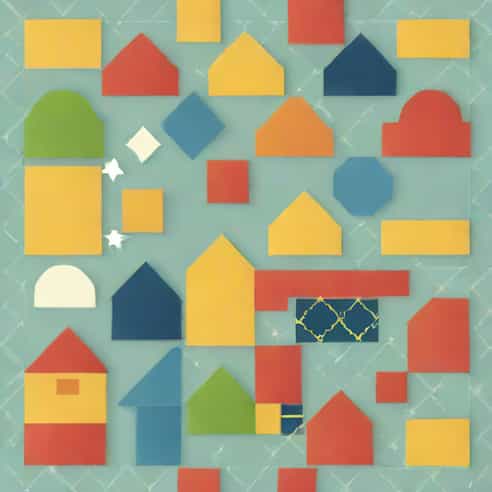
A housetop quilt is a traditional type of quilt characterized by its distinctive design and practical use in bedding. Unlike modern comforters or duvets, a housetop quilt is typically square or rectangular and features a central motif that radiates outward in a symmetrical, geometric pattern, often resembling a roof or house when viewed from above. This type of quilt has historical significance in many cultures, where it served both as a functional covering and as a decorative element in homes. The intricate stitching, choice of fabrics, and patterns used in housetop quilts reflect the artistry and creativity of the quilter, making each piece unique. Beyond its aesthetic appeal, a housetop quilt provides warmth, comfort, and a sense of heritage that connects generations through the craft of quilting.
History of Housetop Quilts
Housetop quilts have roots in American folk art, particularly in the 19th and early 20th centuries. They were widely produced by women who used quilting as both a practical craft and a form of artistic expression. Many housetop quilts were created from scraps of fabric, making them accessible to families of various economic backgrounds. The design evolved from simple square patterns into more complex arrangements with concentric squares, diamonds, or checkerboard motifs, reflecting regional styles and personal creativity. These quilts were often displayed on beds, hung on walls, or presented as gifts, symbolizing care, resourcefulness, and domestic skill.
Design Characteristics of a Housetop Quilt
The housetop quilt has several key design features that distinguish it from other quilt types
- Central MotifA defining characteristic of a housetop quilt is its central design, often a square or geometric shape, which acts as the focal point of the quilt.
- Concentric PatternsThe design radiates outward in layers, creating a visual effect similar to a roof or tiled pattern, hence the term housetop.
- PatchworkMany housetop quilts incorporate patchwork techniques, combining different fabrics, colors, and textures to enhance visual interest.
- StitchingQuilting stitches often follow the geometric pattern, adding texture and reinforcing the structure of the quilt.
- MaterialsTraditional housetop quilts were made from cotton, wool, or linen scraps, but modern versions may use a variety of textiles, including synthetic blends.
Variations and Regional Styles
Different regions developed their own interpretations of the housetop quilt, reflecting local traditions, available materials, and cultural influences. For example, in the American South, housetop quilts often featured bold, vibrant colors and larger motifs, while in the Midwest, quilts were more subdued with simpler, precise patterns. Amish communities became well-known for their meticulous housetop quilts, emphasizing solid colors and high-quality stitching. African American quilters also contributed to the evolution of housetop designs, incorporating improvisational elements and asymmetrical patterns that added a unique aesthetic dimension. These variations highlight the adaptability and creative potential of the housetop quilt as a craft form.
Techniques Used in Making a Housetop Quilt
Creating a housetop quilt requires both patience and skill. The process typically involves several steps
- Design PlanningQuilters often begin by sketching the central motif and planning the concentric layers, selecting colors and fabric types to achieve the desired effect.
- Fabric PreparationFabrics are cut into squares, rectangles, or strips that fit the planned design, ensuring precision in size and alignment.
- PiecingIndividual fabric pieces are sewn together to create the patchwork pattern. Accuracy in sewing is essential to maintain symmetry and clean lines.
- QuiltingThe top layer, batting, and backing are stitched together using hand or machine quilting techniques. The stitches often follow the geometric pattern, emphasizing the housetop design.
- FinishingThe edges of the quilt are bound with fabric strips to prevent fraying and provide a polished look.
Uses of Housetop Quilts
Housetop quilts serve multiple purposes beyond basic warmth. They are functional bedding, decorative pieces, and cultural artifacts
- BeddingThe primary use of a housetop quilt is as a blanket or bedspread, providing comfort and insulation.
- Home DecorMany people display housetop quilts as wall hangings or sofa throws, appreciating the artistic value and craftsmanship.
- HeirloomsQuilts often become family heirlooms, passed down through generations as symbols of heritage and memory.
- GiftsHousetop quilts are traditionally given as gifts for weddings, births, or other significant occasions, embodying love and care.
Modern Adaptations
While traditional housetop quilts are still highly valued, modern quilters have adapted the style to contemporary tastes. New materials, such as organic cotton, recycled fabrics, or even eco-friendly textiles, are increasingly used. Modern designs may incorporate abstract patterns, unconventional colors, or minimalist interpretations of the classic housetop motif. Digital quilting techniques and sewing machines allow for more precise stitching, expanding creative possibilities. Despite these innovations, the core principle of a central motif radiating outward remains intact, ensuring that the housetop quilt continues to honor its historical origins.
Caring for a Housetop Quilt
Proper care is essential to preserve a housetop quilt’s quality, especially if it is an antique or handmade piece. Some tips include
- Wash gently using mild detergent or hand-wash to prevent fabric damage.
- Avoid exposing the quilt to direct sunlight for extended periods, as this can fade colors.
- Store quilts flat or rolled, rather than folded, to prevent creases and stress on the fabric.
- Inspect regularly for loose threads or worn areas, and repair promptly to maintain structural integrity.
- If possible, rotate the quilt’s use to ensure even wear and prevent overuse in one area.
A housetop quilt is more than just a functional bed covering; it is a symbol of tradition, creativity, and craftsmanship. With its central motif, concentric design, and intricate stitching, it represents a unique blend of artistry and utility. From its historical origins in American folk art to modern adaptations, the housetop quilt continues to capture the imagination of quilters and collectors alike. Whether used as bedding, home decoration, or heirloom, it embodies a rich cultural heritage and the enduring appeal of handmade textiles. Understanding the history, design, and care of housetop quilts allows us to appreciate not only their beauty but also the skill, patience, and artistry required to create each piece, making them timeless treasures in any home.