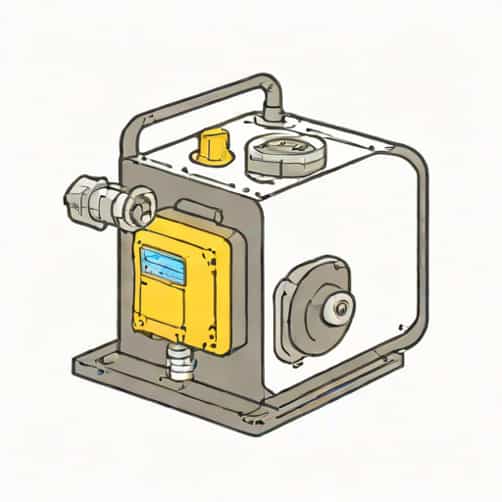
The ultra small peristaltic pump is a highly specialized piece of equipment designed for precise fluid handling in applications where space is limited and accuracy is essential. Unlike conventional pumps, peristaltic pumps operate by compressing flexible tubing to move liquids, eliminating the need for direct contact between the pump mechanism and the fluid. This feature makes ultra small peristaltic pumps ideal for laboratory experiments, medical devices, chemical dosing, and microfluidic systems where contamination-free, controlled flow is crucial. Their compact size allows integration into devices or systems with strict spatial constraints, while their precision ensures accurate delivery of even minute volumes of fluid. Understanding the technology, advantages, and applications of ultra small peristaltic pumps is essential for anyone working in fields that demand high accuracy and reliability in fluid transfer.
How Ultra Small Peristaltic Pumps Work
Peristaltic pumps operate using a simple yet effective mechanism that mimics natural peristalsis found in biological systems, such as the human digestive tract. In an ultra small peristaltic pump, a set of rollers or shoes compress a flexible tube, pushing fluid forward. As the rollers move along the tube, a vacuum is created behind the fluid, drawing in more liquid to maintain continuous flow. This method prevents the liquid from coming into contact with the pump components, making the system ideal for sterile or corrosive fluids. Despite their tiny size, these pumps maintain consistent performance and can handle very low flow rates with high precision.
Key Components
The main components of an ultra small peristaltic pump include
- Flexible tubing, usually made of silicone, Tygon, or other chemical-resistant materials.
- Rotating rollers or shoes that compress the tubing to move fluid.
- A motor, typically stepper or DC, providing controlled rotation for precise flow rates.
- A housing that keeps the pump compact while protecting internal mechanisms.
These components work together to deliver accurate, contamination-free fluid transfer, even in micro-scale applications.
Advantages of Ultra Small Peristaltic Pumps
Ultra small peristaltic pumps offer several advantages that make them highly desirable in laboratory, medical, and industrial applications. These advantages include
- Precision Capable of delivering extremely small volumes of fluid accurately, which is critical in medical dosing and chemical experiments.
- Compact Design Their small size allows integration into portable devices, lab instruments, and confined spaces.
- Contamination-Free Operation Fluids only contact the tubing, reducing the risk of contamination.
- Easy Maintenance Tubing can be easily replaced without disassembling the pump, reducing downtime.
- Flexibility Compatible with a wide range of fluids, including aggressive chemicals, viscous liquids, and biological samples.
These benefits make ultra small peristaltic pumps a practical solution for applications that demand high reliability, safety, and accuracy.
Applications of Ultra Small Peristaltic Pumps
The applications of ultra small peristaltic pumps span across multiple fields, thanks to their precision and versatility. Key applications include
Medical and Healthcare
In the medical field, these pumps are used in devices such as insulin pumps, dialysis machines, and infusion systems. The ability to deliver precise doses of medication over time is critical for patient safety and treatment efficacy. Ultra small peristaltic pumps are also used in laboratory automation for handling biological samples, where contamination-free fluid transfer is essential.
Laboratory Research
Researchers rely on ultra small peristaltic pumps for experiments requiring microfluidics and precise chemical dosing. These pumps are ideal for handling small volumes of reagents, solvents, or buffers. Their controllable flow rates and ability to handle delicate or reactive substances make them indispensable in analytical chemistry, molecular biology, and biotechnology laboratories.
Industrial and Chemical Processing
In industrial settings, ultra small peristaltic pumps are used for chemical dosing, inkjet printing, and small-scale manufacturing processes. Their resistance to corrosive chemicals and ability to maintain precise flow rates ensures efficient and safe handling of fluids, even in challenging environments. Applications include water treatment, food and beverage production, and chemical mixing.
Selecting the Right Ultra Small Peristaltic Pump
Choosing the appropriate ultra small peristaltic pump requires consideration of several factors. These include
- Flow Rate Requirements Determine the minimum and maximum volume of fluid the pump must deliver.
- Fluid Compatibility Ensure the tubing material can handle the chemical properties of the fluid.
- Precision Needs For applications such as medical dosing, select a pump with high accuracy and minimal pulsation.
- Space Constraints Compact designs are necessary for portable or integrated devices.
- Power Source Decide between battery-operated or mains-powered options depending on mobility and application needs.
Evaluating these factors helps ensure that the pump meets operational requirements while providing reliable and safe performance.
Maintenance and Longevity
Maintaining an ultra small peristaltic pump is relatively straightforward but essential for longevity and performance. Regular inspection and replacement of the tubing prevent leaks and maintain accurate flow rates. Cleaning the pump housing and checking motor performance also ensure consistent operation. Since the fluid only contacts the tubing, maintenance is less complex than other pump types, making these pumps ideal for applications where reliability and hygiene are critical.
Challenges and Considerations
Despite their advantages, ultra small peristaltic pumps also present some challenges. Low flow rates can sometimes cause pulsation, affecting the smoothness of fluid delivery. Selecting the right tubing material is crucial to prevent degradation or chemical reactions. Additionally, these pumps may have limited maximum pressure capabilities compared to larger pump systems. Understanding these limitations is essential for ensuring the pump meets the specific demands of each application.
Future Trends in Ultra Small Peristaltic Pumps
Advancements in technology continue to enhance the performance of ultra small peristaltic pumps. Emerging trends include
- Integration with smart sensors for real-time monitoring of flow rate and performance.
- Miniaturization for even smaller and more portable medical or laboratory devices.
- Improved tubing materials that resist chemical degradation and extend service life.
- Enhanced motor control systems for smoother, pulsation-free operation.
These innovations are likely to expand the applications of ultra small peristaltic pumps and make them even more valuable in precision fluid handling tasks.
The ultra small peristaltic pump is a vital tool for precise, contamination-free fluid handling across medical, laboratory, and industrial applications. Its unique peristaltic mechanism ensures that fluids only contact the tubing, providing safety and chemical resistance. Compact design, accuracy, and ease of maintenance make it ideal for applications with tight space requirements and high precision needs. By understanding its working principles, advantages, and considerations for selection, users can maximize the performance and reliability of ultra small peristaltic pumps. With ongoing technological advancements, these pumps are set to play an increasingly critical role in delivering precise and efficient fluid handling solutions for a wide range of industries.