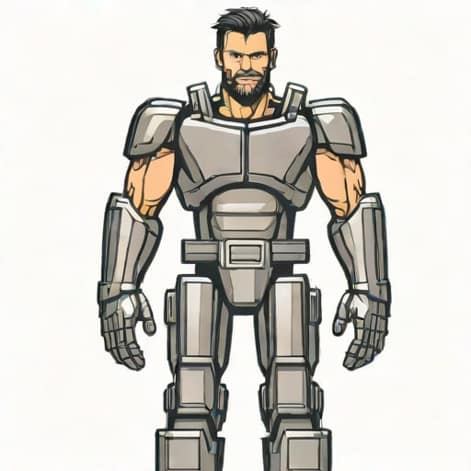
Real Steel is a 2011 science fiction sports film that combines futuristic robotics with heartwarming human drama, starring Hugh Jackman in the lead role. Set in a near-future world where human boxers have been replaced by robot fighters, the movie explores themes of redemption, father-son relationships, and the resilience of the human spirit. Hugh Jackman plays Charlie Kenton, a former boxer turned struggling promoter who finds himself reconnecting with his estranged son while training an unlikely underdog robot fighter. The film’s mix of action, emotion, and cutting-edge visual effects has made it a memorable entry in both family entertainment and science fiction cinema. Examining Hugh Jackman’s role in Real Steel reveals the depth of his performance, the significance of his character, and the broader impact of the film on audiences.
Hugh Jackman as Charlie Kenton
In Real Steel, Hugh Jackman portrays Charlie Kenton, a washed-up fighter navigating a world dominated by mechanical boxing. Jackman brings both charm and vulnerability to the role, capturing Charlie’s rough edges and emotional struggles. His performance emphasizes the journey of a man learning to balance ambition with responsibility, particularly as he attempts to rebuild his relationship with his son, Max. This father-son dynamic forms the emotional core of the story and showcases Jackman’s ability to convey complex emotions beyond the action-packed sequences.
Character Development
Charlie Kenton starts as a flawed character, primarily motivated by personal gain and a desire to relive past glory. Throughout the film, Jackman’s portrayal reveals a gradual transformation as Charlie learns patience, empathy, and the value of trust. His relationship with Max is central to this development, highlighting Jackman’s skill in depicting authentic human connections that resonate with audiences of all ages.
Physical Preparation
To convincingly portray a former boxer, Hugh Jackman underwent extensive physical training. While the film features robot fighters as the main combatants, Jackman’s physicality and athletic presence lend credibility to the scenes where Charlie interacts with the machines or demonstrates basic boxing techniques. His preparation underscores the actor’s dedication to fully embodying his character, enhancing both realism and audience engagement.
Plot Overview and Themes
Real Steel follows the story of Charlie Kenton as he navigates the competitive world of robot boxing. After inheriting Max, his estranged son, Charlie discovers Atom, an obsolete robot with hidden potential. Together, they train Atom to compete against high-tech, professional robots, ultimately leading to high-stakes matches that test both their skill and perseverance. The film blends intense action with emotional depth, exploring themes such as redemption, teamwork, and the bond between father and child.
Father-Son Relationship
The emotional heart of Real Steel lies in the evolving relationship between Charlie and Max. Initially distant and reluctant, Charlie gradually opens up, learning to listen, guide, and support his son. Jackman’s nuanced performance conveys the challenges of reconnecting after years of absence while portraying the growth of mutual respect and affection. This relationship not only drives the narrative but also provides a universal emotional anchor for viewers.
Redemption and Personal Growth
Charlie Kenton’s journey is one of redemption. Through training Atom and competing in the robot boxing league, he confronts past mistakes, personal weaknesses, and the consequences of prioritizing ego over family. Hugh Jackman’s portrayal highlights this evolution, blending moments of humor, frustration, and determination to create a relatable and inspiring character arc. The redemption theme resonates with audiences, emphasizing that growth often comes from responsibility, hard work, and meaningful connections.
Visual Effects and Robot Boxing
While Hugh Jackman’s performance anchors the film, Real Steel is also renowned for its groundbreaking visual effects. The robot fighters, including Atom, were created using a combination of animatronics and CGI, resulting in lifelike movements and intense boxing sequences. Jackman’s interactions with these robots are carefully choreographed, blending practical performance with digital enhancement to maintain immersion and believability.
Significant Robot Characters
- AtomThe underdog robot with a unique sparring ability, forming the emotional centerpiece of the story.
- ZeusThe reigning champion robot, representing the ultimate challenge for Charlie and Max.
- Other CompetitorsVarious high-tech robots create a dynamic and visually engaging tournament environment.
Impact of Visuals on Jackman’s Role
The realistic portrayal of robots required Hugh Jackman to react convincingly to non-human opponents. His ability to convey intensity, strategy, and emotion while interacting with animated machines adds authenticity to the film. This interplay between live-action performance and digital effects highlights Jackman’s versatility as an actor and enhances the overall cinematic experience.
Cultural and Critical Reception
Real Steel received positive reviews for its blend of action and heartwarming storytelling. Critics praised Hugh Jackman’s performance, noting his ability to bring depth to a character navigating a technologically advanced and emotionally complex world. Audiences responded enthusiastically to the father-son dynamic, robot battles, and inspirational narrative, making the film both commercially successful and culturally resonant.
Box Office Success
The film grossed over $300 million worldwide, reflecting its appeal to diverse demographics. Families, young audiences, and fans of action and science fiction alike were drawn to the combination of advanced visual effects and relatable emotional storytelling. Hugh Jackman’s star power played a significant role in attracting viewers and delivering a compelling central performance.
Legacy
Years after its release, Real Steel remains a beloved film for its innovative concept and emotional impact. Hugh Jackman’s portrayal of Charlie Kenton continues to be cited as a standout role in his career, showcasing his ability to balance action with heartfelt character development. The film’s legacy also extends to its influence on sports and robot-themed entertainment, inspiring discussions about technology, human connections, and perseverance.
Lessons from Charlie Kenton’s Journey
Beyond the excitement of robot boxing, Real Steel offers viewers valuable lessons through Hugh Jackman’s performance. Themes of resilience, teamwork, and personal responsibility are woven throughout the narrative, emphasizing the importance of relationships and growth. Charlie Kenton’s journey demonstrates that success is not only measured by victories but also by the ability to confront personal flaws, build trust, and support others.
Key Takeaways
- ResilienceOvercoming past failures and adapting to new challenges is essential for personal growth.
- Family BondsRebuilding relationships requires patience, empathy, and commitment.
- MentorshipGuidance and collaboration, as seen in Charlie training Atom, can lead to unexpected success.
- AdaptabilityNavigating a changing world, whether in sports or technology, demands flexibility and learning from experience.
Real Steel is a compelling fusion of futuristic technology and heartfelt storytelling, anchored by Hugh Jackman’s memorable performance as Charlie Kenton. Through his portrayal, audiences witness the transformation of a flawed, estranged father into a determined mentor and loving parent, all while navigating the thrilling world of robot boxing. The film’s combination of action, emotion, and visual innovation has left a lasting impact on popular culture, highlighting Jackman’s versatility and depth as an actor. By exploring themes of redemption, family, and perseverance, Real Steel resonates with audiences across generations, solidifying its place as a beloved film that balances entertainment with meaningful life lessons.