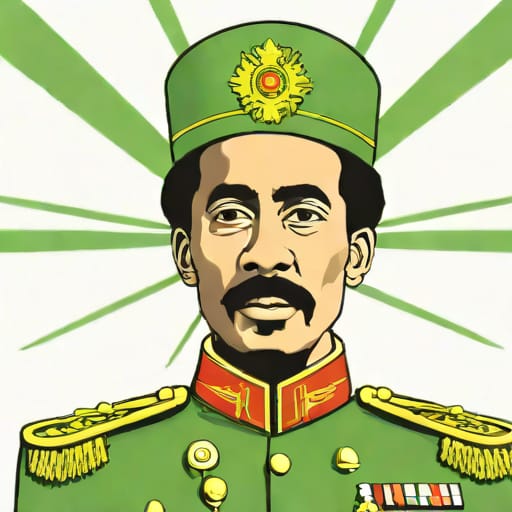
The overthrow of Emperor Haile Selassie marked a pivotal moment in Ethiopian history, ending a long-standing monarchy and ushering in a period of political upheaval and transformation. For decades, Haile Selassie had been a symbol of Ethiopian sovereignty, modernization, and international diplomacy, revered both at home and abroad. His reign, beginning in 1930, was characterized by efforts to modernize Ethiopia’s infrastructure, education system, and military, while also navigating complex international relations during a turbulent global era. Yet, despite his efforts, internal discontent, economic challenges, and political tensions culminated in a dramatic shift in power that would change the trajectory of the nation forever. This topic explores the historical context, causes, events, and consequences surrounding the overthrow of Emperor Haile Selassie, providing a comprehensive understanding of this significant historical episode.
Background of Emperor Haile Selassie’s Reign
Haile Selassie I, born as Tafari Makonnen, ascended to the Ethiopian throne in 1930 following the death of Empress Zewditu. His rise to power came during a time when Ethiopia was navigating the complexities of modernization amidst traditional governance structures. Haile Selassie was an advocate for centralization, national unity, and international recognition of Ethiopia as a sovereign state. Throughout his reign, he pursued reforms aimed at modernizing the economy, legal system, and infrastructure, while also emphasizing the importance of education and health care. Despite these efforts, the emperor faced significant challenges, including regional unrest, feudal conflicts, and limited resources to sustain large-scale modernization efforts.
Political and Social Climate in Ethiopia
By the 1960s and early 1970s, Ethiopia’s social and political landscape was increasingly fraught with tension. Rural poverty, land disputes, and dissatisfaction among peasants created widespread unrest. Urban areas, particularly the capital Addis Ababa, saw growing demands for social reforms, better living conditions, and political representation. Student movements, labor strikes, and military dissatisfaction became more prominent, reflecting a society grappling with inequality and frustration over slow-paced reforms. International influences, including the Cold War, also impacted Ethiopia’s internal dynamics, with various ideologies shaping public discourse and political movements.
Causes of the Overthrow
The overthrow of Emperor Haile Selassie was the result of multiple intertwined factors, including economic hardship, political mismanagement, social unrest, and military discontent. These factors collectively eroded the legitimacy and authority of the monarchy, paving the way for revolutionary change.
Economic Challenges
Despite efforts at modernization, Ethiopia struggled with significant economic disparities. A majority of the population depended on subsistence agriculture, facing food insecurity and extreme poverty. The 1972 1973 drought exacerbated these conditions, leading to famine and widespread dissatisfaction with the government’s response. Many Ethiopians perceived the emperor’s administration as disconnected from the everyday struggles of ordinary citizens, fueling anger and a desire for political change.
Political Discontent and Opposition
By the early 1970s, opposition groups, including students, intellectuals, and urban workers, had become increasingly vocal. They criticized the centralized authority of the monarchy, lack of democratic representation, and slow pace of reforms. Calls for social justice, political participation, and equitable distribution of resources gained traction, creating an environment ripe for revolutionary action. The emperor’s inability to fully address these grievances further weakened his position.
Military Dissatisfaction
The Ethiopian military, a key pillar of the state, also played a crucial role in the overthrow. Soldiers were frustrated with inadequate pay, poor working conditions, and the government’s inability to modernize military infrastructure. Their growing discontent culminated in the formation of organized groups that would eventually challenge the monarchy’s authority. The military’s alignment with revolutionary forces provided the necessary force to execute the coup that would depose Haile Selassie.
The 1974 Coup and Overthrow
The pivotal moment came in 1974, when coordinated actions by the military and revolutionary groups led to the formal deposition of Emperor Haile Selassie. The coup was characterized by strategic planning, mobilization of dissatisfied soldiers, and a growing alliance with civilian opposition movements. The emperor was placed under house arrest, marking the end of Ethiopia’s centuries-old monarchy. This transition reflected both the power of organized revolutionary forces and the deep-seated social, political, and economic frustrations that had accumulated over decades.
Role of the Derg
The Derg, a committee of military officers, became the central force in orchestrating the overthrow. They leveraged widespread public discontent and military dissatisfaction to consolidate power. The Derg aimed to implement radical reforms, including land redistribution, nationalization of key industries, and restructuring of the government. Their rise to power marked a significant ideological shift, moving away from monarchical rule towards a socialist-oriented governance model.
Immediate Consequences of the Overthrow
The deposition of Haile Selassie had profound and immediate impacts on Ethiopia. The monarchy was formally abolished, and the Derg assumed control of the state, initiating sweeping political, social, and economic reforms. Traditional institutions were dismantled, and the role of the church and aristocracy was significantly reduced. This period was marked by both optimism for reform and the beginning of a turbulent era characterized by political repression, internal conflict, and societal upheaval.
Impact on Ethiopian Society
For many Ethiopians, the overthrow represented an opportunity for social and economic change. Land reforms aimed to redistribute wealth and resources more equitably, and efforts were made to improve access to education and health services. However, the rapid implementation of reforms, coupled with political purges and authoritarian measures, created fear and instability. The population experienced both hope and uncertainty, reflecting the complex outcomes of revolutionary change.
International Reaction
The international community closely monitored the events surrounding Haile Selassie’s overthrow. While some nations expressed support for reforms and modernization efforts, others were concerned about political instability and potential alignment with socialist blocs during the Cold War. Haile Selassie’s historical significance as a symbol of African independence and his diplomatic engagement with the League of Nations and United Nations added a global dimension to the consequences of his deposition.
Legacy of the Overthrow
The overthrow of Emperor Haile Selassie remains a defining moment in Ethiopian history, shaping the nation’s trajectory for decades. It symbolizes the tensions between tradition and modernization, monarchy and revolutionary governance, and the challenges of addressing social inequalities. Haile Selassie’s legacy as a reformist, international diplomat, and cultural icon endures, even as Ethiopia underwent significant political transformations. The events of 1974 continue to be studied for their implications on governance, social change, and the dynamics of revolutionary movements.
Lessons from History
- Importance of Addressing Social GrievancesThe overthrow underscores the risks of neglecting widespread social and economic issues.
- Role of Military in Political ChangeMilitary dissatisfaction can become a decisive factor in regime transitions.
- Impact of Leadership on National StabilityEven charismatic and reformist leaders may face overthrow if structural challenges remain unaddressed.
The overthrow of Emperor Haile Selassie was a culmination of long-standing social, economic, and political tensions in Ethiopia. While it marked the end of a historical monarchy, it also set the stage for profound transformation and the emergence of a new political order under the Derg. Understanding this event provides insight into the complex interplay of leadership, societal change, and revolutionary forces. The story of Haile Selassie’s deposition serves as a reminder of the fragility of political power, the importance of addressing societal grievances, and the enduring impact of historical legacies on contemporary Ethiopia.