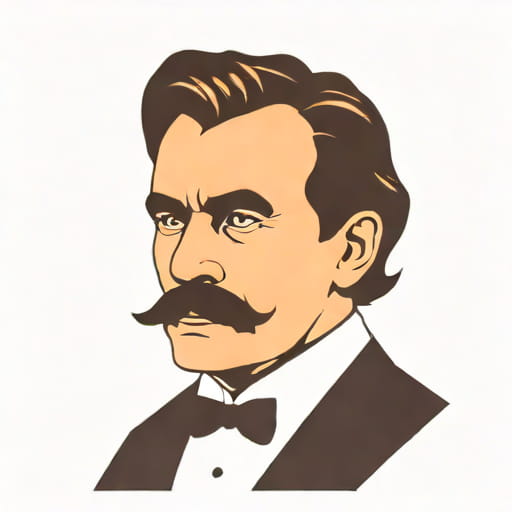
There are books that stay with readers long after they finish reading, not just because of their story, but because of the ideas they bring to light. One such book isEl dÃa que Nietzsche lloró, written by Irvin D. Yalom. This philosophical novel combines elements of psychology, philosophy, and fiction in a way that encourages readers to reflect on the meaning of life, the struggles of human existence, and the search for truth. The story is not merely entertainment; it is an invitation to dive deep into the world of ideas and emotions, guided by two significant figures of the nineteenth century Friedrich Nietzsche, the philosopher, and Josef Breuer, the physician. The blend of imagination and history creates a narrative that is both thought-provoking and emotionally stirring.
Background of the Novel
El dÃa que Nietzsche llorówas first published in 1992 and quickly became a widely discussed novel in literary and philosophical circles. The author, Irvin D. Yalom, is not only a writer but also a psychiatrist and psychotherapist. His expertise in psychology is clearly reflected in the way he constructs dialogues and inner conflicts throughout the story. Yalom imagines an encounter between Nietzsche and Breuer that never truly happened in real life, but he creates this meeting as a fictional device to explore existential questions and the roots of psychotherapy.
The book is set in Vienna in the late nineteenth century, a time when new ideas in philosophy and psychology were beginning to challenge old traditions. It introduces readers to an intellectual climate where discussions about freedom, despair, and the purpose of life were becoming central to modern thought.
Main Characters
Friedrich Nietzsche
Nietzsche, the German philosopher, is one of the central figures of the novel. Known for his radical ideas and criticism of traditional morality, Nietzsche is portrayed as a man tormented by personal struggles, health problems, and loneliness. In the story, he is not only a philosopher but also a human being dealing with pain and vulnerability.
Josef Breuer
Breuer, a Viennese physician, is also a key figure in the development of psychotherapy. In the novel, he represents the voice of reason and medical science. His encounter with Nietzsche becomes an opportunity for both men to confront their inner conflicts and explore new ways of understanding human suffering.
Lou Salomé
Another important presence in the book is Lou Salomé, the woman who played a significant role in Nietzsche’s life. In the story, she becomes the link that brings Nietzsche and Breuer together, as she seeks Breuer’s help for Nietzsche’s despair. Salomé represents the emotional and relational complexity that influences the philosopher’s state of mind.
Central Themes
The Nature of Suffering
One of the most significant themes ofEl dÃa que Nietzsche lloróis the exploration of suffering. The novel shows how pain, whether physical or emotional, can lead to transformation. Nietzsche’s health problems and existential anguish become the basis for a dialogue about the meaning of life and the possibility of overcoming despair.
Freedom and Responsibility
Another strong theme is the concept of freedom. Nietzsche’s philosophy often emphasized the importance of personal freedom and the responsibility that comes with it. Through his conversations with Breuer, the novel illustrates how individuals must confront their own choices, embrace their freedom, and take responsibility for shaping their lives.
The Birth of Psychotherapy
The book also highlights the origins of psychotherapy. By imagining a dialogue between Breuer and Nietzsche, Yalom creates a story where ideas about psychological healing, talking cures, and the exploration of inner life begin to take form. This theme connects the world of philosophy with the emerging field of modern psychology.
The Unique Style of the Novel
Yalom’s writing style inEl dÃa que Nietzsche lloróis both accessible and profound. He blends fictional storytelling with philosophical dialogue, creating a narrative that feels both intellectual and emotional. Readers are not only entertained by the story but are also invited to think deeply about their own lives. This balance between narrative and reflection makes the novel appealing to a wide range of readers, from literature enthusiasts to students of philosophy and psychology.
Impact on Readers
The influence of this book goes beyond its pages. Many readers describe it as a life-changing experience because it challenges them to confront questions they may usually avoid. Some of the reflections that often arise from reading this novel include
-
What is the true meaning of freedom in my life?
-
How do I handle suffering and loss?
-
Am I living authentically, or am I following external expectations?
-
How much responsibility do I take for my own choices?
Philosophy and Psychology Intertwined
The brilliance of this novel lies in how it connects philosophy and psychology. Nietzsche’s philosophical insights and Breuer’s medical and psychological approach meet in a dialogue that reveals the complexity of human existence. For readers, this combination creates a new understanding of how ideas influence emotions and how therapy can become a way of living more truthfully.
Why the Title Matters
The titleEl dÃa que Nietzsche lloró, which translates to The Day Nietzsche Wept, holds symbolic weight. It suggests a moment when the great philosopher, often seen as strong and radical, allows himself to feel vulnerable. Tears become a metaphor for honesty, release, and transformation. This moment of vulnerability captures the essence of the book that even the strongest minds face despair, and through acknowledging it, they find a path to healing.
Relevance Today
Although the novel is set in the nineteenth century, its themes are highly relevant today. People in modern society still struggle with existential questions, loneliness, and the search for meaning. The book reminds readers that these struggles are timeless and that dialogue, reflection, and self-awareness remain essential tools for growth.
Final Reflections
El dÃa que Nietzsche lloróis not just a fictional story; it is a philosophical journey. It asks readers to think, to feel, and to question. By imagining a meeting between Nietzsche and Breuer, Yalom offers a creative lens through which we can better understand the origins of psychotherapy and the power of facing our deepest fears. The novel continues to inspire readers around the world to confront their own lives with honesty and courage, proving that philosophy and psychology are not distant fields, but living forces that shape how we exist in the world.