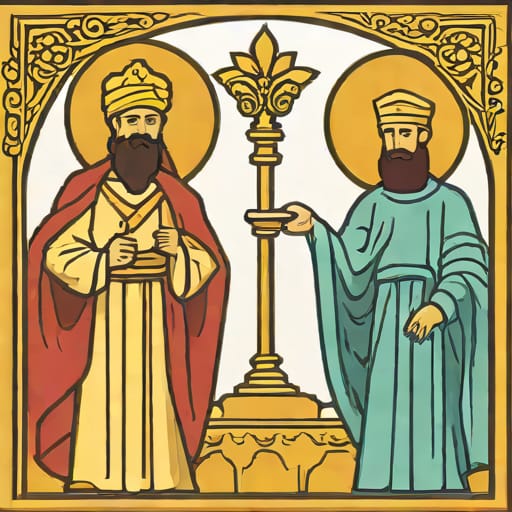
The story of John the Baptist and Herod Antipas is one of the most compelling narratives in the New Testament, highlighting the tension between prophetic truth and political power. John the Baptist, known for his ascetic lifestyle, bold preaching, and call to repentance, emerged as a significant religious figure during the early first century. Herod Antipas, the ruler of Galilee and Perea, held political authority under Roman oversight, yet his moral and political decisions were often intertwined with personal desires and fears. The encounter between John and Herod serves as a historical and spiritual lesson about courage, integrity, and the consequences of opposing unjust authority. Understanding this relationship requires examining the historical context, the biblical accounts, and the broader impact of John’s ministry on the people of that era.
Historical Background of John the Baptist
John the Baptist was a Jewish preacher and prophet who appeared in the wilderness of Judea, calling people to repentance and baptism for the forgiveness of sins. His ministry occurred during a period of political instability and social unrest in Judea and Galilee, under the rule of Herod Antipas and Roman influence. John’s message was radical in its simplicity and moral rigor, urging people to turn away from sin and prepare for the coming of the Messiah. His lifestyle-dressing in camel hair, eating locusts and wild honey-symbolized his separation from worldly distractions and his commitment to spiritual purity. John attracted large crowds, including tax collectors, soldiers, and common people, who sought guidance and a deeper understanding of God’s will.
John’s Message and Ministry
John the Baptist’s ministry was centered on repentance, moral renewal, and preparation for the arrival of the Messiah. He called out the Pharisees and Sadducees for hypocrisy and urged individuals to produce fruits worthy of repentance. Baptism in the Jordan River was a central element of his teaching, symbolizing the cleansing of sins and the beginning of a new spiritual life. John’s boldness and moral authority gained him both followers and critics, ultimately setting the stage for his confrontation with political rulers such as Herod Antipas.
Herod Antipas The Political Context
Herod Antipas was a son of Herod the Great and ruled as tetrarch of Galilee and Perea from 4 BCE to 39 CE. While he maintained loyalty to Rome, his rule was often marked by political maneuvering and personal ambition. Historical records suggest that Herod struggled to balance the expectations of his Roman overlords with the religious and cultural sensitivities of his Jewish subjects. This tension created an environment in which figures like John the Baptist, who criticized immoral behavior and challenged the status quo, were seen as both a moral threat and a political complication. Herod’s interactions with John highlight the complexities of leadership, authority, and conscience in a turbulent period of history.
Herod’s Personal Life and Controversies
Herod Antipas is best known for his controversial marriage to Herodias, who was previously married to his half-brother Philip. John the Baptist publicly condemned this marriage as unlawful according to Jewish law, calling it an adulterous union. This confrontation placed John in direct conflict with Herod, who respected John’s influence yet felt challenged by his uncompromising moral stance. The situation illustrates the tension between political expediency and ethical responsibility, as Herod struggled to maintain authority while dealing with a prophet who spoke truth to power.
The Confrontation Between John and Herod
The biblical accounts describe how John boldly confronted Herod Antipas over his marriage to Herodias, denouncing it as a violation of divine law. This confrontation demonstrated John’s unwavering commitment to truth and justice, even in the face of political power and personal risk. While Herod reportedly feared John and recognized his righteousness, he also found himself constrained by political and social pressures. This dynamic highlights the challenge of moral authority confronting political authority, and it underscores the enduring relevance of John’s courage in standing against wrongdoing.
Imprisonment and Martyrdom
As a result of his condemnation of Herod’s actions, John the Baptist was imprisoned in the fortress of Machaerus. Herodias harbored resentment toward John and sought to have him executed. During a banquet, Herodias’ daughter Salome performed a dance that pleased Herod, who promised to grant her any request. At her mother’s urging, she requested John’s head on a platter. Despite his reluctance, Herod ordered John’s execution to honor his promise, resulting in the prophet’s martyrdom. This tragic outcome illustrates the dangers faced by those who confront entrenched power and serves as a poignant reminder of the cost of prophetic witness. The story has had a lasting influence on Christian thought, art, and literature, emphasizing the moral imperative to speak truth, even at great personal risk.
Spiritual and Theological Significance
The relationship between John the Baptist and Herod Antipas holds deep spiritual and theological significance within Christian tradition. John represents the prophetic voice calling for repentance and moral integrity, while Herod embodies the challenges of political power constrained by personal desire and fear. This narrative illustrates the tension between worldly authority and divine mandate, highlighting the importance of standing for righteousness regardless of personal consequence. John’s unwavering courage and faithfulness serve as an enduring example for believers, encouraging moral conviction and spiritual vigilance.
Lessons on Courage and Integrity
One of the key lessons from John the Baptist’s confrontation with Herod is the importance of courage and integrity in the face of opposition. John’s fearless proclamation of truth, even when it led to imprisonment and death, underscores the value of standing by one’s principles. His example encourages individuals to prioritize ethical responsibility over personal safety or political convenience, emphasizing the spiritual rewards of faithfulness and moral steadfastness.
Prophecy and Preparation
John’s ministry also highlights the theme of preparation for divine fulfillment. By calling people to repentance and baptizing them, John prepared the way for Jesus’ ministry, emphasizing the role of the prophet as a herald of God’s plan. His confrontation with Herod is part of this larger narrative, illustrating how moral and spiritual preparation often requires confronting entrenched systems of power and addressing social injustices. This prophetic mission situates John not only as a historical figure but also as a model for spiritual preparation and vigilance in the Christian tradition.
Historical and Cultural Impact
The story of John the Baptist and Herod Antipas has resonated through centuries of history, influencing art, literature, and religious thought. Artists have depicted John’s imprisonment, preaching, and martyrdom, often emphasizing the dramatic tension between the prophet and the ruler. Writers and theologians have reflected on the moral lessons of the narrative, exploring themes of justice, courage, and divine authority. The story continues to serve as a reference point for discussions on ethics, leadership, and the moral responsibilities of those in positions of power.
Legacy in Christian Tradition
Within Christian tradition, John the Baptist is venerated as a martyr and a prophet, and his confrontation with Herod Antipas is commemorated as an example of prophetic courage. His life and death are observed in liturgy, art, and devotional practices, highlighting the enduring impact of his ministry. Herod’s role, meanwhile, serves as a cautionary tale about the dangers of compromising moral responsibility for political or personal gain. Together, their story provides a rich tapestry of lessons on faith, justice, and human character that continues to inspire believers around the world.
The interaction between John the Baptist and Herod Antipas is a powerful narrative that combines history, morality, and spiritual insight. John’s fearless advocacy for righteousness, his critique of unlawful behavior, and his ultimate martyrdom provide a profound example of moral courage in the face of political power. Herod’s actions, motivated by desire and fear, demonstrate the challenges and moral pitfalls of leadership. The story remains a timeless lesson on the importance of integrity, prophetic witness, and ethical responsibility. By studying this relationship, believers and scholars alike gain a deeper understanding of the complexities of human behavior, the demands of moral conviction, and the enduring significance of standing for truth in a world of conflicting powers.