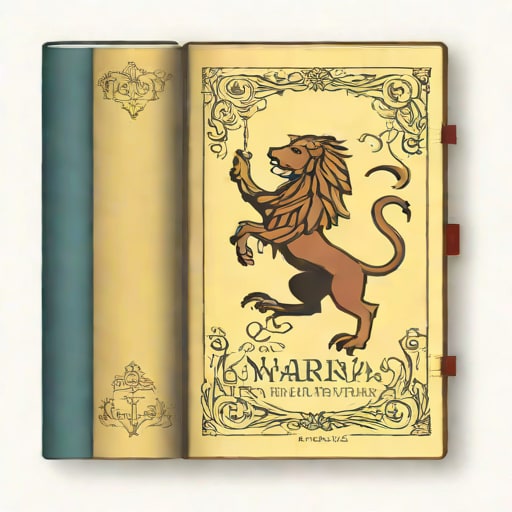
The Chronicles of Narnia series by C.S. Lewis is one of the most beloved collections of fantasy literature in the world, captivating readers with its imaginative storytelling, vivid characters, and deep moral themes. Since its initial publication, the series has fascinated children and adults alike, transporting readers to the magical land of Narnia where animals talk, mythical creatures roam, and epic battles between good and evil unfold. Understanding the proper reading order of the Chronicles of Narnia books can enhance the experience, as it allows readers to follow the storylines and character development in a coherent way. The series can be approached in two primary orders the publication order and the chronological order of events in Narnia, each offering a unique perspective on the enchanting world Lewis created.
Publication Order of the Chronicles of Narnia
The publication order refers to the sequence in which C.S. Lewis originally released the books between 1950 and 1956. Reading the books in this order allows readers to experience the story as it was first introduced to the public, preserving the sense of discovery and progression that early audiences experienced. The publication order is generally recommended for first-time readers to fully appreciate Lewis’s writing style and the gradual expansion of the Narnian universe.
1. The Lion, the Witch and the Wardrobe (1950)
This is the most famous book in the series and serves as an ideal introduction to Narnia. The story follows the Pevensie children Peter, Susan, Edmund, and Lucy as they discover the magical world of Narnia through a wardrobe. In Narnia, they encounter the White Witch, who has plunged the land into perpetual winter, and the noble lion Aslan, who represents good and justice. This book sets the stage for the overarching themes of courage, redemption, and the battle between good and evil.
2. Prince Caspian The Return to Narnia (1951)
In this installment, the Pevensie children return to Narnia to aid Prince Caspian, who is fighting to reclaim his rightful throne from his corrupt uncle. The book expands the Narnian world, introducing readers to its rich history and culture, as well as highlighting themes of loyalty, faith, and leadership. Prince Caspian also emphasizes the moral lessons Lewis weaves into his fantastical narratives.
3. The Voyage of the Dawn Treader (1952)
This adventure follows Lucy, Edmund, and their cousin Eustace as they journey with King Caspian aboard the ship Dawn Treader. The novel explores distant islands, magical creatures, and moral challenges, emphasizing personal growth, courage, and the transformative power of faith. Readers witness character development and the series’ signature blend of fantasy and moral allegory.
4. The Silver Chair (1953)
In The Silver Chair, Eustace and his classmate Jill embark on a quest to rescue Prince Rilian, who has been enchanted and imprisoned. This book emphasizes teamwork, perseverance, and discernment while showcasing the darker aspects of Narnia, making it one of the more thrilling and suspenseful volumes in the series.
5. The Horse and His Boy (1954)
Set during the reign of the Pevensie siblings in Narnia, this story follows a boy named Shasta and a talking horse named Bree as they journey to freedom and self-discovery. The Horse and His Boy adds depth to the Narnian world by exploring regions outside the central land and highlighting themes of identity, courage, and destiny.
6. The Magician’s Nephew (1955)
This prequel explores the origins of Narnia and the creation of the magical land by Aslan. Readers are introduced to Digory Kirke and Polly Plummer, who witness the formation of Narnia and the arrival of the White Witch. The Magician’s Nephew provides valuable backstory that enriches the understanding of subsequent events and characters in the series.
7. The Last Battle (1956)
The concluding book depicts the end of Narnia, chronicling the final battle between good and evil. It addresses themes of faith, loyalty, and the ultimate triumph of good over darkness. The story offers closure to the epic saga, providing both a sense of resolution and a reflection on mortality and moral responsibility.
Chronological Order of Narnia Events
Alternatively, readers may choose to follow the chronological order of events within Narnia itself. This approach presents the series according to the internal timeline of the magical world, starting with its creation and progressing to its ultimate conclusion. This reading order can provide a more linear narrative experience, helping readers to follow the history and development of Narnia more naturally.
Chronological Order List
- The Magician’s Nephew
- The Lion, the Witch and the Wardrobe
- The Horse and His Boy
- Prince Caspian The Return to Narnia
- The Voyage of the Dawn Treader
- The Silver Chair
- The Last Battle
Advantages of the Chronological Approach
Reading the books in chronological order allows readers to see the origin of Narnia, the rise of its heroes, and the evolution of major conflicts. Beginning with The Magician’s Nephew introduces the foundational elements, including the creation of Narnia and the emergence of key characters. This approach can provide a deeper understanding of cause and effect within the series, as well as a sense of continuity in character arcs and historical events.
Thematic and Literary Significance
The Chronicles of Narnia series is more than a collection of fantasy adventures. Each book carries underlying themes of morality, faith, courage, and the struggle between good and evil. Lewis often uses allegory to convey spiritual lessons, and his imaginative settings allow readers to explore complex ethical dilemmas in an accessible way. Whether read in publication order or chronological order, the series encourages reflection on personal values, ethical choices, and the power of hope and redemption.
Character Development Across the Series
Following the books in either order allows readers to observe character growth over time. The Pevensie children, Eustace, Jill, and other recurring characters experience significant personal development, learning lessons about responsibility, loyalty, courage, and forgiveness. Their journeys mirror universal human experiences, making the series relatable to readers of all ages.
Adaptations and Cultural Impact
The popularity of the Chronicles of Narnia has led to numerous adaptations, including films, television series, and stage productions. These adaptations often follow the publication order but sometimes incorporate elements from the chronological sequence. The enduring appeal of the series lies in its rich world-building, compelling characters, and timeless messages. Understanding the book order helps viewers appreciate the narrative and character arcs more fully, whether in print or on screen.
Tips for New Readers
- Decide whether to read in publication order or chronological order based on your preference for narrative style or historical context.
- Take time to appreciate the moral and allegorical elements interwoven with the adventure and fantasy.
- Consider reading supplementary materials or analyses to enhance understanding of the series’ deeper themes.
- Engage with discussion groups or book clubs to explore diverse perspectives on the characters and storylines.
The Chronicles of Narnia book order can be approached in multiple ways, either by following the original publication sequence or by arranging the stories according to the chronological timeline within Narnia. Both approaches offer unique insights into C.S. Lewis’s magical world, allowing readers to experience the epic battles, fantastical adventures, and profound moral lessons that have captivated audiences for generations. Understanding the recommended order can enhance the reading experience, providing clarity to the intricate web of events, character growth, and thematic depth. Whether enjoyed for entertainment, literary appreciation, or moral reflection, the Chronicles of Narnia remains a timeless series that continues to inspire imagination, ethical thinking, and a love for storytelling across generations.