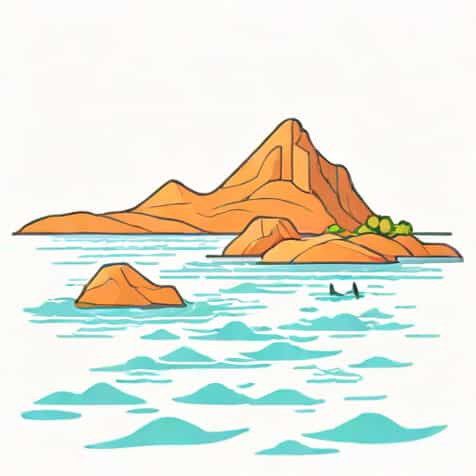
The word archipelago is one that many people hear when learning about geography, world history, or even travel destinations, but not everyone fully understands what it means. At its core, an archipelago refers to a group or chain of islands that are clustered together in a particular area of the sea or ocean. These formations can be small, with just a few islands, or massive, consisting of thousands of islands spread over large stretches of water. Understanding the meaning of archipelago also opens the door to exploring how these islands form, where they are located, and why they play such an important role in culture, economy, and biodiversity around the world.
Definition of Archipelago
The term archipelago comes from the Italian wordarcipelago, which itself is rooted in Greek, meaning chief sea. Originally, it referred specifically to the Aegean Sea, which is dotted with many islands. Over time, the word evolved into its modern use, meaning a collection or chain of islands found together in seas or oceans. Today, geographers use the term to describe groups of islands in different regions across the globe.
Characteristics of an Archipelago
Not every group of islands automatically qualifies as an archipelago. To be considered one, there are some key features
- A cluster of islands located close together in a body of water.
- The islands may vary in size, ranging from tiny islets to large landmasses.
- They can be volcanic in origin, formed by tectonic activity, or result from erosion and sedimentation.
- Archipelagos are often found in oceans, seas, or near coastlines, though some may exist in large lakes.
These characteristics highlight the natural processes that shape archipelagos and make them unique features of Earth’s surface.
Examples of Famous Archipelagos
To understand what archipelago means in real terms, it helps to look at well-known examples around the world
- IndonesiaThe world’s largest archipelago, consisting of more than 17,000 islands, including Java, Sumatra, and Bali.
- The PhilippinesAnother large archipelago, with over 7,000 islands spread across the Pacific Ocean.
- The MaldivesLocated in the Indian Ocean, this archipelago is made up of over 1,000 small coral islands.
- JapanA volcanic archipelago consisting of four main islands-Honshu, Hokkaido, Kyushu, and Shikoku-along with many smaller islands.
- Hawaiian IslandsA volcanic archipelago in the Pacific Ocean, famous for its landscapes, biodiversity, and tourism.
- The Caribbean IslandsAn archipelago that includes well-known islands such as Cuba, Jamaica, and the Bahamas.
These examples show how archipelagos vary in size and cultural significance, with some playing a crucial role in global trade and others serving as top travel destinations.
Formation of Archipelagos
Archipelagos form through different natural processes, and their origin often determines their shape and characteristics. Some main ways archipelagos are formed include
Volcanic Activity
Many archipelagos are volcanic, formed by underwater eruptions that create islands over time. The Hawaiian Islands are a prime example of this process, where each island was born from volcanic activity.
Tectonic Movements
The shifting of Earth’s tectonic plates also creates archipelagos. When plates collide, separate, or move, new islands can rise from the ocean floor. Japan is a strong example of tectonic processes at work.
Coral Growth
Coral reefs can form archipelagos, especially in warm tropical seas. The Maldives and parts of the Caribbean are coral-based archipelagos that developed over thousands of years.
Erosion and Sedimentation
In some cases, islands form from erosion of larger landmasses or sediment buildup in shallow waters. These islands often cluster and create smaller archipelagos.
Importance of Archipelagos
Archipelagos are more than just geographical formations. They hold cultural, economic, and ecological significance
- Cultural ImportanceMany archipelagos are home to diverse cultures, languages, and traditions, shaped by their geography and isolation.
- BiodiversityIsolated islands often develop unique ecosystems, leading to rare plants and animals not found anywhere else.
- Economic ValueArchipelagos often rely on fishing, tourism, and trade routes for their economies. For example, the Maldives depends heavily on tourism.
- Strategic ImportanceThroughout history, archipelagos have been vital for navigation, military bases, and global trade routes.
Archipelago vs. Island Group
While the terms archipelago and island group are sometimes used interchangeably, there is a subtle distinction. An island group may simply describe any collection of islands without implying geographical or geological connection. An archipelago, however, usually indicates a chain or cluster formed by natural processes, often with a shared origin or proximity.
Challenges Faced by Archipelagos
Despite their beauty and significance, archipelagos face unique challenges
- Climate ChangeRising sea levels threaten low-lying archipelagos like the Maldives, which risk losing land to the ocean.
- Natural DisastersMany archipelagos, especially volcanic ones, face earthquakes, tsunamis, and eruptions.
- Limited ResourcesSmall islands may struggle with freshwater supply, fertile land, and sustainable development.
- IsolationPhysical separation from the mainland can make transportation, trade, and healthcare more difficult.
These challenges highlight the vulnerability of archipelagos and the need for global awareness and sustainable solutions.
Archipelagos in Human History
Archipelagos have shaped human history in significant ways. They often served as crossroads of trade, exploration, and cultural exchange. The Aegean archipelago, for example, was central to the rise of ancient Greek civilization. The islands of Southeast Asia formed key trade routes connecting China, India, and the Middle East. Even today, archipelagos continue to play a crucial role in global shipping and military strategy.
Modern-Day Relevance
In the modern world, archipelagos remain highly relevant. They are popular tourist destinations due to their beaches, coral reefs, and tropical climate. They also provide valuable natural resources, including fish and minerals. Politically, countries made up of archipelagos often have vast territorial waters, giving them influence in international maritime law. This makes archipelagos both opportunities and points of tension in global affairs.
In simple terms, an archipelago is a cluster or chain of islands found close together in a sea or ocean. Beyond its definition, the concept of archipelago carries deep significance in geography, ecology, culture, and history. From the volcanic islands of Hawaii to the coral atolls of the Maldives, archipelagos remind us of Earth’s incredible diversity and natural beauty. At the same time, they face unique challenges in an era of climate change and globalization. Understanding what an archipelago means allows us to appreciate not only its geographical definition but also its role in shaping human life and the natural world.