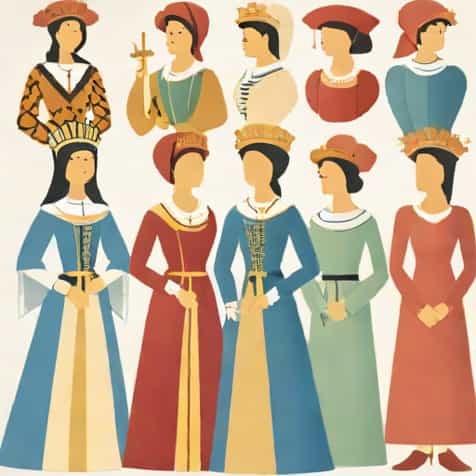
In medieval Europe, the clothing of noblewomen was not only a reflection of fashion but also a symbol of social status, wealth, and influence. Unlike the common people, noblewomen had access to expensive fabrics, elaborate designs, and intricate decorations that highlighted their position within society. Clothing during this period was shaped by various factors, including social hierarchy, regional traditions, climate, and the availability of materials. The garments worn by noblewomen ranged from practical daily attire to extravagant ceremonial dresses that showcased luxury and refinement.
Materials and Fabrics
One of the most important aspects of noblewomen’s clothing was the choice of materials. Wealthy women had access to imported and locally produced fabrics, which were often costly and labor-intensive to produce.
- SilkSilk was one of the most prized fabrics in medieval Europe, often imported from Italy, China, and the Byzantine Empire. Noblewomen used silk for gowns, cloaks, and veils to display their affluence.
- WoolFine wool was widely used and could be dyed in various colors. It was warm and versatile, suitable for everyday wear.
- LinenLinen was commonly used for undergarments, chemises, and shifts. It was comfortable against the skin and helped maintain hygiene.
- Brocade and VelvetThese luxurious fabrics were often reserved for ceremonial occasions and featured elaborate patterns and textures to emphasize wealth.
Gowns and Dresses
The primary garment for noblewomen in medieval Europe was the gown. These dresses varied in style depending on the century, region, and occasion.
Early Medieval Gowns
In the early medieval period, noblewomen wore long tunic-style dresses with simple lines. These gowns often featured long sleeves and were belted at the waist to create a modest silhouette. Layers were common, and noblewomen would often wear a chemise underneath the gown for comfort.
High and Late Medieval Styles
By the 12th and 13th centuries, gowns became more elaborate. High-necked collars, fitted bodices, and flowing skirts became fashionable. Sleeves could be extremely long and decorative, sometimes extending past the hands. By the 14th and 15th centuries, gowns often had intricate embroidery, precious stones, and fur trims. The silhouette became more structured, with fitted waists and wider skirts, reflecting the wearer’s status.
Headwear and Hairstyles
Headwear was a significant part of a noblewoman’s attire and was often used to display social rank and marital status.
- VeilsVeils were worn over the hair and could be simple or heavily decorated, depending on the occasion. Married women commonly wore veils to signify their status.
- HenninsThese tall, cone-shaped hats became fashionable in the 15th century, often paired with veils that flowed down the back.
- WimplesA wimple was a cloth covering for the neck and chin, frequently worn by noblewomen to show modesty and adherence to social norms.
- Braids and Hair JewelryHair was often styled in braids and adorned with ribbons, beads, or gold ornaments to showcase wealth.
Outer Garments
Noblewomen also wore outer garments to protect themselves from the elements and to demonstrate their social position.
- Cloaks and MantlesThese were worn over gowns and often lined with fur for warmth. They were fastened with decorative brooches or clasps and sometimes featured elaborate embroidery.
- KirtlesA kirtle was a fitted outer dress that could be worn over the chemise and under a cloak. It provided additional warmth and structure to the ensemble.
Accessories and Adornments
Accessories were crucial in completing a noblewoman’s appearance. Jewelry, belts, and shoes were not merely functional but also conveyed status and taste.
- BeltsBelts were often decorated with metalwork, jewels, or embroidery. They helped define the waist and added an element of elegance to gowns.
- JewelryNecklaces, rings, and brooches were common. Precious metals and gemstones highlighted wealth and were often coordinated with clothing colors.
- ShoesShoes were typically pointed and made from fine leather or fabric. Noblewomen sometimes wore elaborately embroidered shoes that matched their outfits.
Colors and Symbolism
The choice of color in clothing was significant in medieval Europe. Certain colors were associated with wealth, power, and specific social meanings. Bright dyes like red, blue, and green were expensive and often reserved for the nobility. Black and deep shades were also prestigious because achieving rich, lasting colors required advanced dyeing techniques.
Regional Variations
Clothing styles for noblewomen varied across Europe, influenced by local culture, climate, and trade. For example, Italian noblewomen often favored lighter fabrics and elaborate embroidery, while Northern European noblewomen used heavier wool and furs due to colder climates. French fashion frequently set trends that spread to England, Germany, and the Low Countries, impacting gown shapes, sleeve lengths, and ornamentation.
Everyday vs. Ceremonial Dress
Noblewomen’s wardrobes distinguished between everyday attire and ceremonial dress. Everyday clothing was practical but still reflected status through fine materials and simple embellishments. Ceremonial dress, worn for court appearances, religious events, or weddings, was far more elaborate. These garments could include multiple layers, extensive embroidery, precious stones, and luxurious fabrics such as velvet and silk. Ceremonial attire demonstrated wealth, family connections, and taste, and was often documented in contemporary art and manuscripts.
Impact of Fashion on Society
The clothing of noblewomen in medieval Europe was more than personal adornment; it was a statement of social order and cultural identity. Fashion helped reinforce class distinctions, as the complexity and richness of a noblewoman’s dress visibly separated her from lower social ranks. Additionally, the garments reflected political alliances, marital connections, and regional influences, making fashion a key aspect of social interaction and communication in medieval society.
Noblewomen in medieval Europe wore clothing that combined practicality, elegance, and social symbolism. From luxurious fabrics like silk and velvet to elaborate gowns, headdresses, and accessories, their attire was a marker of wealth, status, and cultural identity. Variations in style, color, and ornamentation reflected regional differences, personal taste, and societal norms. Understanding what noblewomen wore provides valuable insight into the social structures, cultural values, and everyday life of medieval Europe, highlighting the intricate interplay between fashion and society during this fascinating period.