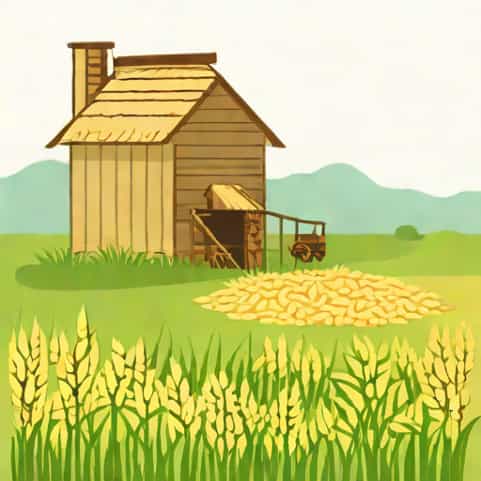
Nueva Ecija, often referred to as the Rice Granary of the Philippines, is a province renowned for its extensive rice production and vital contribution to the country’s food security. Located in Central Luzon, this province boasts vast plains, fertile soil, and favorable climate conditions that make it ideal for rice cultivation. Rice farming is not only the backbone of Nueva Ecija’s economy but also an integral part of its culture and livelihood. The province has earned its reputation by producing large quantities of rice that supply both local and national markets, playing a crucial role in sustaining the staple diet of millions of Filipinos.
Geographical and Climatic Advantages
Nueva Ecija is strategically situated in Central Luzon, bordered by other agricultural provinces such as Pampanga, Bulacan, and Pangasinan. Its location provides access to major transportation networks, which facilitates the distribution of rice across the country. The province’s topography features wide plains with rich alluvial soil, ideal for rice cultivation. Coupled with a tropical climate that brings abundant rainfall and sunshine, these natural factors create optimal conditions for growing high-yield rice varieties throughout the year.
Soil and Irrigation Systems
The province benefits from fertile soil composed of loam and clay, which retains moisture and nutrients essential for rice growth. Additionally, extensive irrigation systems, including canals and dams, support multiple planting seasons, allowing farmers to maximize output. Government programs and local initiatives have further improved irrigation efficiency, ensuring that water supply remains consistent even during dry months. These infrastructure developments strengthen Nueva Ecija’s status as a leading rice producer.
Historical Background of Rice Production
Rice farming in Nueva Ecija dates back centuries, with traditional methods passed down through generations. The province’s early settlers recognized the suitability of the land for agriculture and cultivated rice as a primary crop. Over time, advancements in farming techniques, mechanization, and improved seed varieties significantly increased production. Today, Nueva Ecija continues to innovate in rice farming, combining modern agricultural practices with traditional knowledge to sustain high yields and meet the growing demand for rice in the Philippines.
Traditional and Modern Farming Practices
Farmers in Nueva Ecija use a combination of traditional and modern methods to cultivate rice. Traditional practices include transplanting seedlings, using organic fertilizers, and applying natural pest control techniques. Modern advancements involve mechanized plowing, high-yield seed varieties, chemical fertilizers, and integrated pest management systems. This blend of old and new methods allows farmers to maintain productivity while ensuring sustainability and environmental conservation.
Economic Significance
The rice industry in Nueva Ecija is a major contributor to the provincial and national economy. It provides employment to thousands of farmers, laborers, and agribusiness workers. In addition to rice cultivation, ancillary industries such as milling, packaging, transportation, and marketing benefit from the province’s agricultural output. The income generated from rice production supports local communities, finances public services, and stimulates economic growth across the region.
Contribution to National Food Security
Nueva Ecija’s high rice yield is crucial for the Philippines, where rice is a staple food. The province supplies a significant portion of the country’s rice consumption, reducing dependence on imports and stabilizing prices. Government programs often collaborate with local farmers in Nueva Ecija to implement rice production initiatives, improve supply chain management, and ensure that rice is accessible to all regions of the Philippines. The province’s production capacity plays a pivotal role in maintaining food security for millions of citizens.
Cultural Significance of Rice Farming
Rice farming is deeply embedded in the culture and identity of Nueva Ecija. Festivals, rituals, and traditions celebrate the planting and harvesting seasons, reflecting the community’s respect and gratitude for the land. The province holds annual events such as the Ani ng Saka Festival, which honors farmers and showcases the importance of rice in local culture. These celebrations not only highlight agricultural achievements but also foster a sense of unity and pride among residents.
Festivals and Traditions
- Ani ng Saka FestivalA harvest celebration that includes parades, dances, and agricultural fairs.
- Planting RitualsCeremonies and blessings performed before the planting season to ensure a bountiful harvest.
- Community GatheringsEvents where farmers share knowledge, exchange seeds, and strengthen social ties.
- Culinary TraditionsRice-based dishes prepared for special occasions, reflecting the staple’s central role in local cuisine.
Challenges in Rice Production
Despite its success, Nueva Ecija faces several challenges in rice production. Climate change, typhoons, and irregular rainfall patterns can affect crop yield. Pest infestations, soil degradation, and fluctuating market prices also pose risks to farmers. Addressing these challenges requires continuous investment in infrastructure, technology, and training. Government programs, research institutions, and private organizations collaborate to provide support, including access to high-quality seeds, irrigation systems, and financial assistance to farmers.
Strategies for Sustainable Farming
- Implementing modern irrigation techniques to conserve water and improve efficiency.
- Introducing high-yield and climate-resilient rice varieties.
- Adopting integrated pest management to minimize crop loss and environmental impact.
- Providing training programs to educate farmers on sustainable and profitable practices.
- Encouraging cooperative farming and collective marketing to stabilize income and reduce risks.
Tourism and Agritourism Opportunities
Nueva Ecija’s identity as the Rice Granary of the Philippines also presents opportunities for tourism and agritourism. Visitors can explore vast rice fields, learn about traditional and modern farming techniques, and participate in harvest activities. Farm tours, educational programs, and cultural festivals provide a unique experience, promoting appreciation for agriculture and supporting the local economy. Agritourism initiatives allow farmers to diversify income while sharing the province’s rich agricultural heritage with the public.
Promoting Awareness and Education
Agritourism also serves an educational purpose, raising awareness about the importance of rice farming and the challenges faced by farmers. Schools, universities, and agricultural organizations often collaborate with local farms to conduct workshops, seminars, and interactive activities. This engagement fosters a new generation of advocates for sustainable agriculture and helps preserve the cultural and economic significance of rice farming in Nueva Ecija.
Nueva Ecija, the Rice Granary of the Philippines, continues to be a vital contributor to the country’s agriculture, economy, and cultural heritage. Its fertile plains, favorable climate, and dedicated farming community ensure a steady supply of rice that supports national food security. Beyond its economic importance, rice farming shapes the province’s identity and traditions, fostering pride and unity among residents. While challenges such as climate change and market fluctuations persist, ongoing investments in technology, infrastructure, and education sustain its status as a leading rice-producing province. Through continued innovation, community support, and cultural celebration, Nueva Ecija remains an enduring symbol of the Philippines’ agricultural richness and resilience.