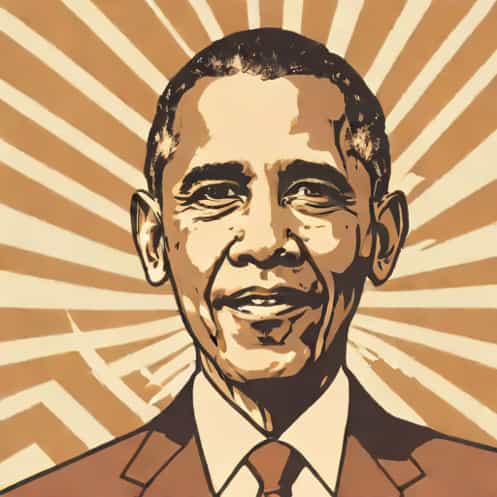
Many people around the world still ask a simple but meaningful question how old was Obama when he became president of the United States? The question matters not only because of Barack Obama’s historical significance, but also because age often symbolizes experience, generational change, and leadership style. Understanding his age at the time of inauguration helps place his presidency in a broader political and social context, especially for readers interested in history, leadership, and American politics.
Barack Obama’s Birth and Early Life
To understand how old Barack Obama was when he became president, it is important to begin with his birth date. Barack Hussein Obama II was born on August 4, 1961. He was born in Honolulu, Hawaii, which later became a notable point in his political career and public discussions.
Growing up during a time of significant social change in the United States, Obama’s early life shaped his worldview. His background, education, and experiences contributed to his political outlook and leadership style long before he entered the White House.
The Path to the Presidency
Before becoming president, Obama followed a steady path through education, law, and politics. He earned degrees from Columbia University and Harvard Law School, where he became the first Black president of the Harvard Law Review. These achievements established him as a rising figure in public life.
Obama later served as an Illinois State Senator and then as a United States Senator. His national profile grew quickly, especially after his keynote speech at the Democratic National Convention in 2004. This rise set the stage for his presidential campaign just a few years later.
How Old Was Obama When He Became President?
The direct answer to the question is clear. Barack Obama was 47 years old when he was inaugurated as President of the United States. His inauguration took place on January 20, 2009.
Because Obama was born in August 1961, he had not yet turned 48 at the time he took the oath of office. This made him one of the younger presidents in American history, though not the youngest overall.
Obama’s Age Compared to Other U.S. Presidents
Obama’s age at inauguration often leads to comparisons with other presidents. The youngest president to assume office was Theodore Roosevelt, who became president at age 42 after the assassination of President William McKinley.
John F. Kennedy was also relatively young, taking office at age 43. In comparison, many presidents were in their 50s or 60s when they were inaugurated. Obama’s age placed him among a group of leaders seen as representing a newer generation of political leadership.
Why Obama’s Age Was Seen as Significant
At 47, Obama symbolized generational change for many voters. His age suggested energy, long-term vision, and a connection to younger Americans who felt underrepresented in politics.
At the same time, some critics questioned whether he had enough experience due to his relatively young age and shorter time in national office. These debates became part of the broader discussion during the 2008 presidential election.
Public Perception of Obama’s Leadership Age
Once in office, Obama’s age became less of a focus than his policies and decisions. However, his youth continued to influence how people perceived his leadership style. He was often described as calm, thoughtful, and deliberate.
For many supporters, his age represented hope and progress. For others, it raised concerns about decision-making during times of crisis. Over time, his performance shaped opinions more than the number attached to his age.
Key Moments During His First Term
Obama’s first term included several major events that tested his leadership. These included the global financial crisis, healthcare reform, and foreign policy challenges. His age did not prevent him from handling complex issues, but it remained part of the narrative around his presidency.
By the end of his first term, Obama had gained significant experience, showing how age at inauguration is only one factor in evaluating a president’s effectiveness.
Obama’s Age During His Second Term
When Obama was re-elected in 2012, he was 51 years old at the time of his second inauguration in January 2013. This placed him closer to the average age of many presidents during their terms.
His second term benefited from the experience gained during his first four years, reinforcing the idea that leadership evolves over time regardless of starting age.
Age and Presidential Eligibility
The U.S. Constitution sets a minimum age of 35 for presidential eligibility. Obama exceeded this requirement by more than a decade when he became president at 47.
This constitutional rule reflects the belief that a certain level of maturity and experience is necessary for the role, but it leaves room for a wide range of leadership ages.
Why the Question Still Matters Today
The question of how old Obama was when he became president remains relevant because it connects to ongoing discussions about leadership, representation, and generational change. As younger and older candidates continue to run for office, Obama’s presidency serves as a useful reference point.
His age at inauguration shows that effective leadership is not defined by age alone, but by vision, competence, and the ability to respond to national needs.
Barack Obama was 47 years old when he became president of the United States, marking a significant moment in American history. His age symbolized both change and continuity, blending youthful energy with professional experience. Understanding how old Obama was when he became president helps place his leadership within a broader historical and political framework, offering insights that remain relevant for discussions about age, leadership, and public service today.