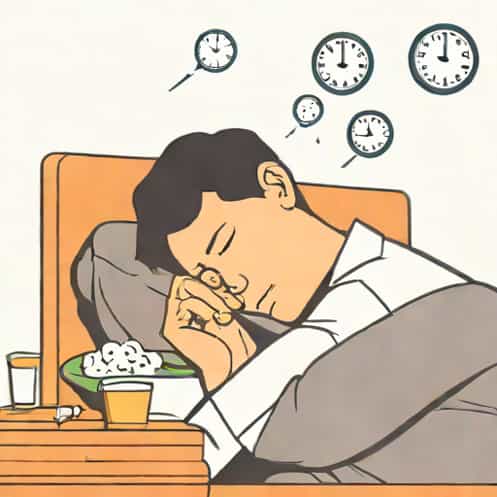
Experiencing frequent drowsiness accompanied by excessive salivation can be concerning and may indicate an underlying health issue that requires attention. While occasional tiredness and mild drooling can be normal, persistent symptoms may signal medical conditions affecting the nervous system, digestive tract, or overall metabolic health. Understanding the possible causes, associated symptoms, and available treatment options is essential for managing these conditions effectively. Individuals experiencing these symptoms should be aware of lifestyle factors, medications, and other triggers that can contribute to frequent drowsiness and excessive salivation, and seek professional guidance when necessary.
Understanding Frequent Drowsiness
Frequent drowsiness refers to a state of persistent sleepiness during the day, despite adequate nighttime rest. This condition can impact daily life, concentration, productivity, and overall well-being. Drowsiness can be caused by a variety of factors, ranging from lifestyle habits to underlying medical conditions.
Common Causes of Frequent Drowsiness
- Poor sleep quality or insufficient sleep duration
- Sleep disorders such as sleep apnea or narcolepsy
- Medication side effects from antihistamines, sedatives, or antidepressants
- Chronic medical conditions including diabetes, hypothyroidism, or anemia
- Mental health issues such as depression or anxiety
- Poor diet, dehydration, or nutrient deficiencies
Understanding Excessive Salivation
Excessive salivation, also known as hypersalivation or sialorrhea, involves producing more saliva than normal. While saliva plays a crucial role in digestion and oral health, overproduction can lead to discomfort, social embarrassment, and even skin irritation around the mouth.
Common Causes of Excessive Salivation
- Oral infections or dental issues such as cavities or gum disease
- Nervous system disorders including Parkinson’s disease or cerebral palsy
- Medications that increase saliva production or impair swallowing
- Gastroesophageal reflux disease (GERD) leading to increased salivation as a response to irritation
- Exposure to toxins or poisons affecting the nervous system
- Pregnancy-related hormonal changes
Possible Connection Between Drowsiness and Excessive Salivation
Frequent drowsiness and excessive salivation may occur together due to underlying neurological or systemic conditions. Both symptoms can indicate dysfunctions in the nervous system, digestive disorders, or medication effects. Understanding the connection helps in identifying the root cause and determining an effective treatment plan.
Neurological Causes
- Parkinson’s disease, which affects motor control and saliva management
- Stroke or brain injury affecting areas responsible for swallowing and alertness
- Neuromuscular disorders that impair coordination of swallowing and lead to drooling
Medication-Related Causes
- Antipsychotics, anticonvulsants, and sedatives may cause drowsiness as a side effect
- Certain medications increase salivary secretion or reduce the ability to swallow effectively
- Combining multiple medications can exacerbate both drowsiness and hypersalivation
Diagnosis and Evaluation
Proper diagnosis is essential to determine the underlying cause of frequent drowsiness and excessive salivation. A healthcare provider will typically perform a comprehensive evaluation including medical history, physical examination, and diagnostic tests. Identifying the specific cause allows for targeted treatment and symptom management.
Diagnostic Steps
- Medical history review to identify potential triggers or contributing factors
- Physical examination focusing on oral health, neurological function, and sleep patterns
- Laboratory tests to check for metabolic, hormonal, or systemic disorders
- Imaging studies if neurological conditions are suspected
- Sleep studies to evaluate for sleep apnea or other sleep disorders
Treatment Options
Treatment depends on the underlying cause of frequent drowsiness and excessive salivation. Addressing lifestyle factors, medical conditions, and medication side effects can significantly improve symptoms. In some cases, targeted therapies or interventions may be necessary.
Lifestyle and Behavioral Interventions
- Maintaining consistent sleep schedules and improving sleep hygiene
- Staying hydrated and consuming a balanced diet rich in essential nutrients
- Engaging in regular physical activity to boost energy and reduce drowsiness
- Practicing stress management techniques to reduce nervous system triggers
Medical and Therapeutic Interventions
- Medications to reduce excessive salivation, such as anticholinergics
- Adjusting or changing medications that contribute to drowsiness or hypersalivation
- Speech or occupational therapy to improve swallowing control
- Treatment of underlying conditions like GERD, infections, or neurological disorders
When to Seek Medical Attention
It is important to seek professional help if frequent drowsiness and excessive salivation persist, worsen, or are accompanied by other concerning symptoms. Prompt evaluation ensures that potentially serious underlying conditions are diagnosed and managed appropriately.
Red Flag Symptoms
- Sudden onset of drooling or sleepiness without apparent cause
- Difficulty speaking, swallowing, or walking
- Severe fatigue impacting daily functioning
- Persistent fever, unexplained weight loss, or other systemic symptoms
- Any signs of neurological impairment or confusion
Frequent drowsiness and excessive salivation are symptoms that should not be ignored, as they may indicate underlying health issues affecting the nervous system, metabolism, or oral health. Understanding the potential causes, ranging from lifestyle factors and medications to serious medical conditions, is crucial for effective management. Early diagnosis, lifestyle adjustments, medical interventions, and ongoing monitoring can significantly improve quality of life for individuals experiencing these symptoms. Consulting a healthcare professional ensures that the root causes are addressed and that both frequent drowsiness and excessive salivation are managed safely and effectively.