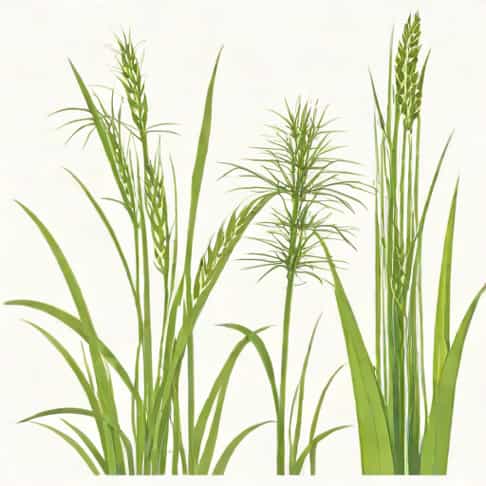
Pendulous sedge, known scientifically asCarex pendula, is a striking plant often admired for its tall arching stems and drooping flower spikes. Gardeners, landscapers, and nature enthusiasts frequently encounter it in shaded woodland areas, along streams, or in damp parts of parks and gardens. Because it appears in so many natural-looking landscapes, many people wonder whether pendulous sedge is actually native to the UK or if it is an introduced species that has simply adapted well. Understanding where this plant originates helps explain its behavior, ecological impact, and suitability for planting in native-friendly gardens.
What Is Pendulous Sedge?
General Characteristics
Pendulous sedge is a tall, clump-forming perennial that belongs to the broader sedge family. It typically features
- Long, graceful, drooping flower and seed heads
- Arching bright-green leaves
- A preference for shady, moist environments
- A mature height that can reach 1-1.5 meters
Because of these features, it is often used in informal landscaping where a natural woodland appearance is desired. Its size and lush form also make it appealing for filling shaded corners of gardens.
Is Pendulous Sedge Native to the UK?
The Short Answer
Yes, pendulous sedge is native to the UK. It grows naturally across many parts of Britain and Ireland, especially in woodland habitats and damp soil environments. Its presence in the UK landscape is not the result of modern introduction, but rather a long-standing part of native flora.
Distribution Within the UK
Pendulous sedge is found widely in
- England
- Wales
- Southern Scotland
- Parts of Ireland
It is particularly common in the south and southwest, where milder temperatures and higher humidity create ideal growing conditions. While it is native, it can still behave vigorously in suitable habitats, leading some gardeners to mistake it for an invasive species.
Why the Confusion About Its Origin?
A Plant That Looks Too Successful
Because pendulous sedge spreads easily and forms large clumps, some people assume that it must be an imported species. Its ability to self-seed in damp soils makes it appear aggressive in certain locations, especially where the soil is rich and undisturbed. However, despite its robust nature, it is a true native plant that has evolved alongside local ecosystems.
Its Use in Ornamental Landscaping
Another reason for the confusion is its popularity as an ornamental plant. Many nurseries and garden centers sell pendulous sedge as a shade-loving option for domestic gardens. Plants that are widely sold sometimes give the impression of being exotic or non-native, although in this case pendulous sedge originates from the UK itself.
Ecological Role of Pendulous Sedge
Providing Habitat
As a native species,Carex pendulaplays an important ecological role. Its dense foliage and drooping stems provide
- Shelter for insects and amphibians
- Nesting areas for small wildlife
- Protection for soil in wet environments
These ecological contributions support local biodiversity and help maintain stability in woodland and riverbank ecosystems.
Supporting Native Insects
Many native insects use sedges as a food source or habitat. Pendulous sedge offers structure and shade, supporting the life cycles of species that prefer damp, cool environments. This interconnectedness is one reason why planting native sedges can benefit garden wildlife.
Where Pendulous Sedge Naturally Thrives
Preferred Habitats
Pendulous sedge naturally grows in environments with consistent moisture and partial shade. Common locations include
- Woodland edges and clearings
- Stream banks and wet ditches
- Shaded riverbanks
- Damp meadows or marshy zones
Because it tolerates shade and wet soil better than many grasses or ornamental plants, pendulous sedge naturally fills ecological niches that few other species can occupy as effectively.
Adaptability and Spread
Although it is native, pendulous sedge is also adaptable. It can grow in slightly drier soils or sunnier spots if moisture remains consistent. This adaptability explains why it appears across such a wide geographic range in the UK. In gardens, it may spread more enthusiastically if not managed carefully, but this behavior aligns with many other native species that flourish in the right conditions.
Benefits of Planting Pendulous Sedge
A Naturalistic Aesthetic
For gardeners seeking a natural or woodland look, pendulous sedge adds texture and height. Its arching form and soft movement in the wind make it visually appealing. It works well in
- Shaded borders
- Wildlife gardens
- Natural pondsides
- Informal woodland plantings
Low Maintenance Qualities
Pendulous sedge requires very little care once established. It tolerates poor soil, shade, and fluctuating moisture levels. As long as the roots remain damp enough, it will thrive without the need for constant attention, making it a practical choice for low-maintenance landscapes.
Environmental Value
Planting native species like pendulous sedge supports local ecosystems. It contributes to sustainable gardening practices by requiring fewer resources and integrating smoothly into the regional ecological network. Its presence encourages native wildlife, improves soil stability, and helps preserve natural biodiversity.
Considerations for Gardeners
Managing Its Growth
While pendulous sedge is native, it can spread more than some gardeners may expect. To prevent overcrowding
- Remove seed heads if you want to limit self-seeding.
- Divide clumps every few years to control size.
- Avoid planting it too close to small or slow-growing species.
Best Planting Situations
This sedge is ideal for areas that are difficult to fill with other plants. Damp corners, shaded pathways, and woodland gardens benefit from its presence. If your garden has puddling water or persistent shade, pendulous sedge often succeeds where flowering plants struggle.
Pendulous sedge is indeed native to the UK, where it naturally grows in damp, shaded habitats across much of the region. Its graceful form, ecological value, and adaptability have earned it a place in both wild landscapes and home gardens. While it can be vigorous, this characteristic reflects its natural growth pattern rather than foreign invasiveness. By understanding its native origins and ecological role, gardeners can confidently incorporate pendulous sedge into landscapes that support wildlife, enhance biodiversity, and reflect the character of the British natural environment.