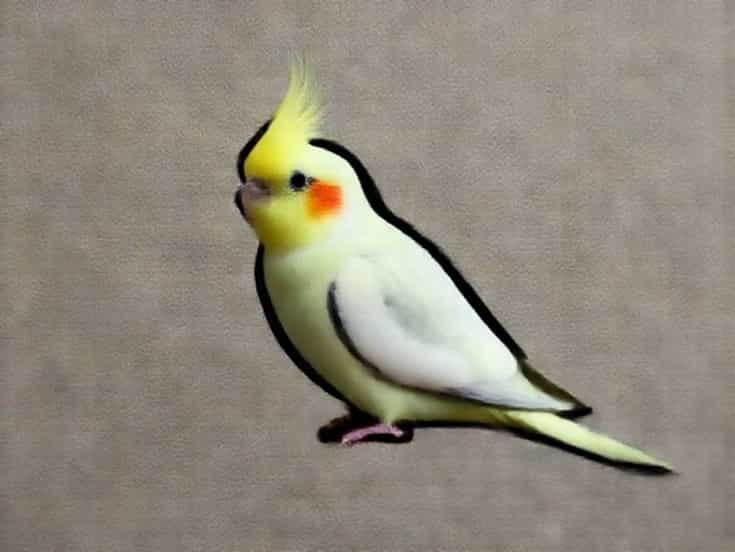
Cockatiels are one of the most popular pet birds worldwide due to their friendly temperament, playful nature, and charming appearance. For potential and current owners, understanding the lifespan of cockatiels in captivity is crucial for providing proper care and planning for a long-term commitment. While these birds are relatively small, they require consistent attention, a balanced diet, mental stimulation, and a safe living environment to thrive. Knowing the factors that influence their lifespan can help owners ensure their feathered companions live healthy, fulfilling lives.
Average Lifespan of Cockatiels
Cockatiels can live for a surprisingly long time in captivity compared to many other pet birds of similar size. On average, a well-cared-for cockatiel can live between 15 to 20 years. Some individuals have been known to live into their mid-20s, and in rare cases, they can reach 30 years with exceptional care. Factors such as genetics, diet, environment, and mental stimulation all play significant roles in determining their overall lifespan.
Factors Affecting Lifespan
Several key factors influence how long a cockatiel can live in captivity. Understanding these factors helps owners provide the best possible care for their birds.
- DietA balanced diet of seeds, pellets, fresh fruits, and vegetables ensures optimal health. Nutritional deficiencies can lead to shortened lifespans.
- ExerciseRegular out-of-cage time and flight opportunities help maintain cardiovascular health and prevent obesity.
- Veterinary CareRoutine check-ups, vaccinations, and prompt treatment of illnesses can prevent serious health issues.
- EnvironmentA safe, clean, and stimulating cage environment reduces stress and promotes mental well-being.
- GeneticsSome birds may have hereditary conditions that can affect longevity despite excellent care.
Nutrition and Its Impact
Diet is one of the most critical aspects affecting a cockatiel’s lifespan. A diet consisting solely of seeds is not sufficient, as it lacks essential vitamins and minerals. Incorporating high-quality pellets ensures balanced nutrition, while fresh fruits and vegetables provide vitamins, antioxidants, and variety. Foods rich in calcium, like leafy greens, are essential for bone health, while occasional treats like small amounts of nuts can support overall well-being. Proper hydration is equally important; fresh water should always be available.
Foods to Avoid
Certain foods can be toxic or harmful to cockatiels and should be avoided. Avocado, chocolate, caffeine, alcohol, and salty or sugary foods can cause severe health issues. Providing a safe and appropriate diet reduces the risk of illness and contributes to a longer, healthier life for the bird.
Exercise and Mental Stimulation
Physical activity and mental stimulation are essential to a cockatiel’s longevity. Birds kept in small cages without opportunities to fly or explore can develop obesity, muscle atrophy, or behavioral issues such as feather plucking. Allowing daily out-of-cage time, providing toys, perches, and puzzle feeders helps keep the bird active and engaged. Interactive play and socialization with owners or other birds also reduce stress and contribute to mental well-being, both of which can influence lifespan.
Cage Size and Setup
A larger cage allows for natural movement and exercise. It should be equipped with a variety of perches at different heights, toys for chewing and problem-solving, and areas for resting. Regular cleaning and rotation of toys prevent boredom and reduce the risk of infections. A well-organized environment enhances both physical and psychological health.
Common Health Issues
Cockatiels are generally hardy birds, but they can be prone to specific health issues that may affect lifespan if left untreated. Respiratory infections, fatty liver disease, egg-binding in females, and parasitic infections are among the common concerns. Early detection through regular veterinary check-ups is critical. Preventive care, including proper diet, clean living conditions, and observation of behavior and droppings, can significantly improve health outcomes.
Signs of Aging
As cockatiels age, owners may notice changes in behavior and appearance. Older birds may become less active, sleep more, or show changes in feather condition. Weight monitoring is important, as sudden weight loss or gain can indicate health problems. Providing gentle care and adapting the environment to suit aging birds can help maintain quality of life.
Breeding and Lifespan
Breeding can affect the lifespan of cockatiels. Female cockatiels may experience a higher level of stress and nutritional demand during egg-laying periods. Ensuring that females receive additional calcium and monitoring their health closely during breeding can mitigate some of these risks. Birds that are not bred often have slightly longer lifespans, as they avoid some of the physical stress associated with reproduction.
Social Factors
Cockatiels are social animals and benefit from interaction with humans or other birds. Loneliness or isolation can lead to stress-related health issues, reducing lifespan. Daily socialization, either with the owner or a compatible companion, contributes to emotional well-being and supports a longer, happier life.
Environment and Safety
Creating a safe environment is crucial for extending a cockatiel’s lifespan. Hazards such as toxic plants, open windows, ceiling fans, non-stick cookware fumes, and other pets can pose serious threats. Ensuring the bird’s living area is secure, free of dangerous objects, and properly ventilated helps prevent accidents and exposure to harmful substances.
Temperature and Climate
Cockatiels are sensitive to extreme temperatures. Keeping them in a stable, moderate environment protects against respiratory issues and stress. Drafts, sudden temperature changes, and excessive humidity can all negatively impact health. Owners should maintain a consistent indoor temperature and monitor conditions closely to provide a comfortable habitat.
The lifespan of a cockatiel in captivity is influenced by multiple factors, including diet, exercise, mental stimulation, social interaction, and veterinary care. With proper attention and a safe, nurturing environment, these birds can live between 15 to 20 years on average, and sometimes even longer. Understanding the needs of cockatiels and proactively addressing their health and well-being ensures that they enjoy long, fulfilling lives as beloved companions. By providing a balanced diet, enriching environment, and regular check-ups, owners can help their cockatiels thrive and enjoy the joys of pet ownership for decades.